
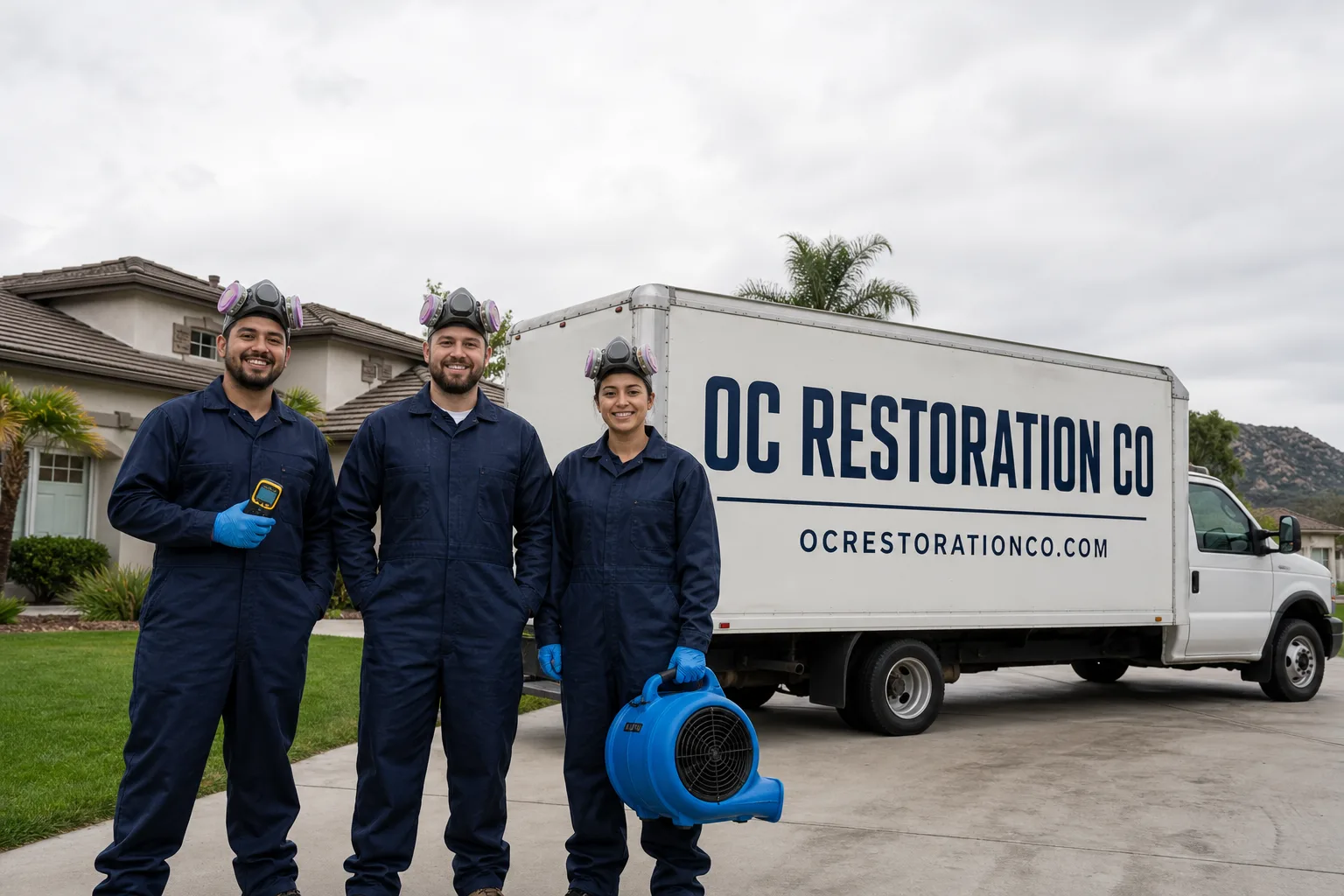
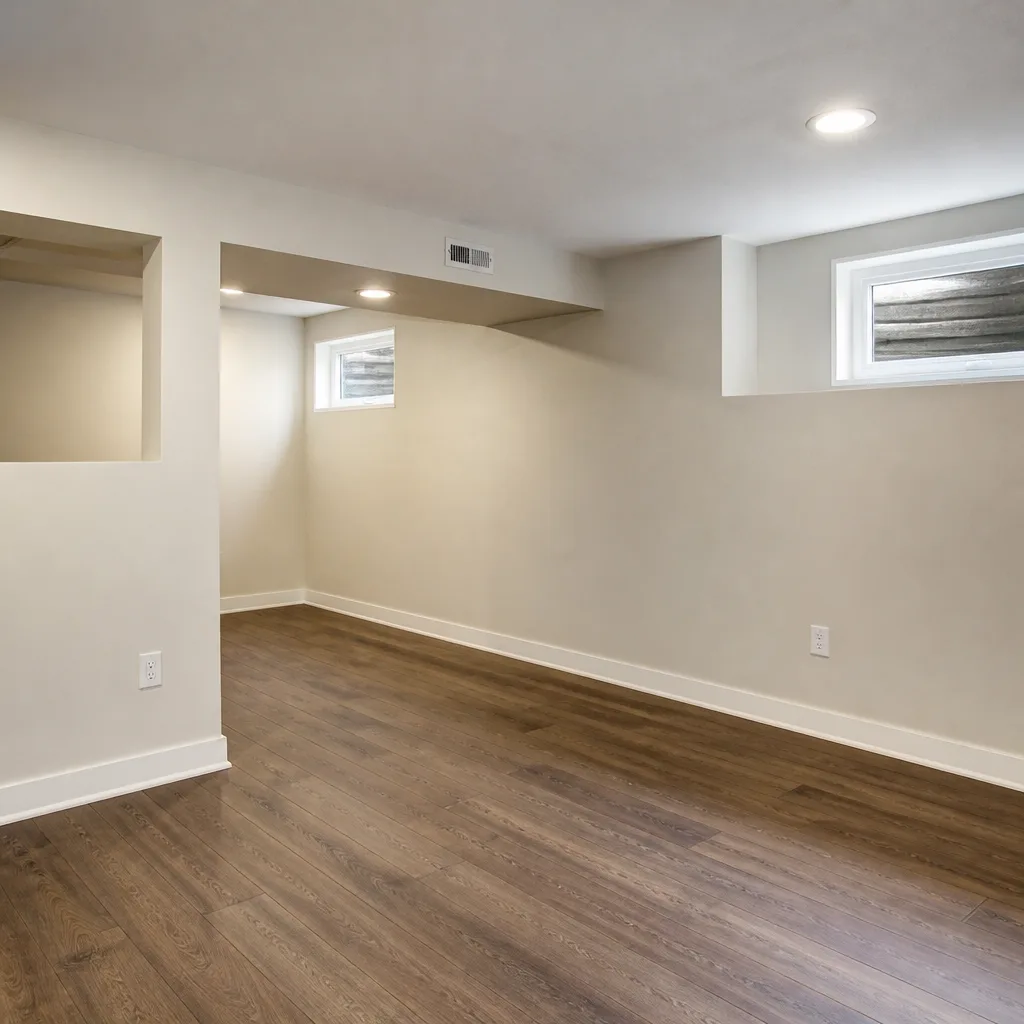
 Mold remediation
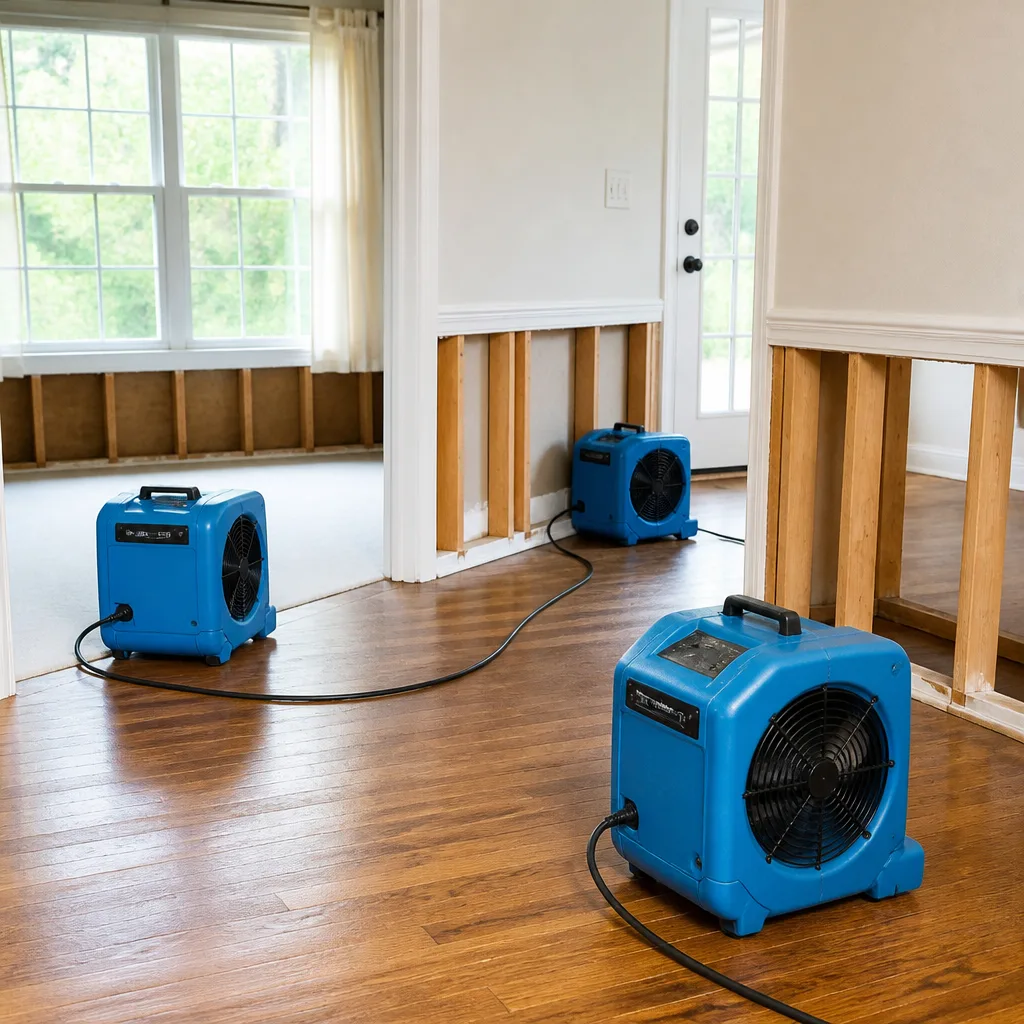 Water damage drying
 Fire & smoke cleanup
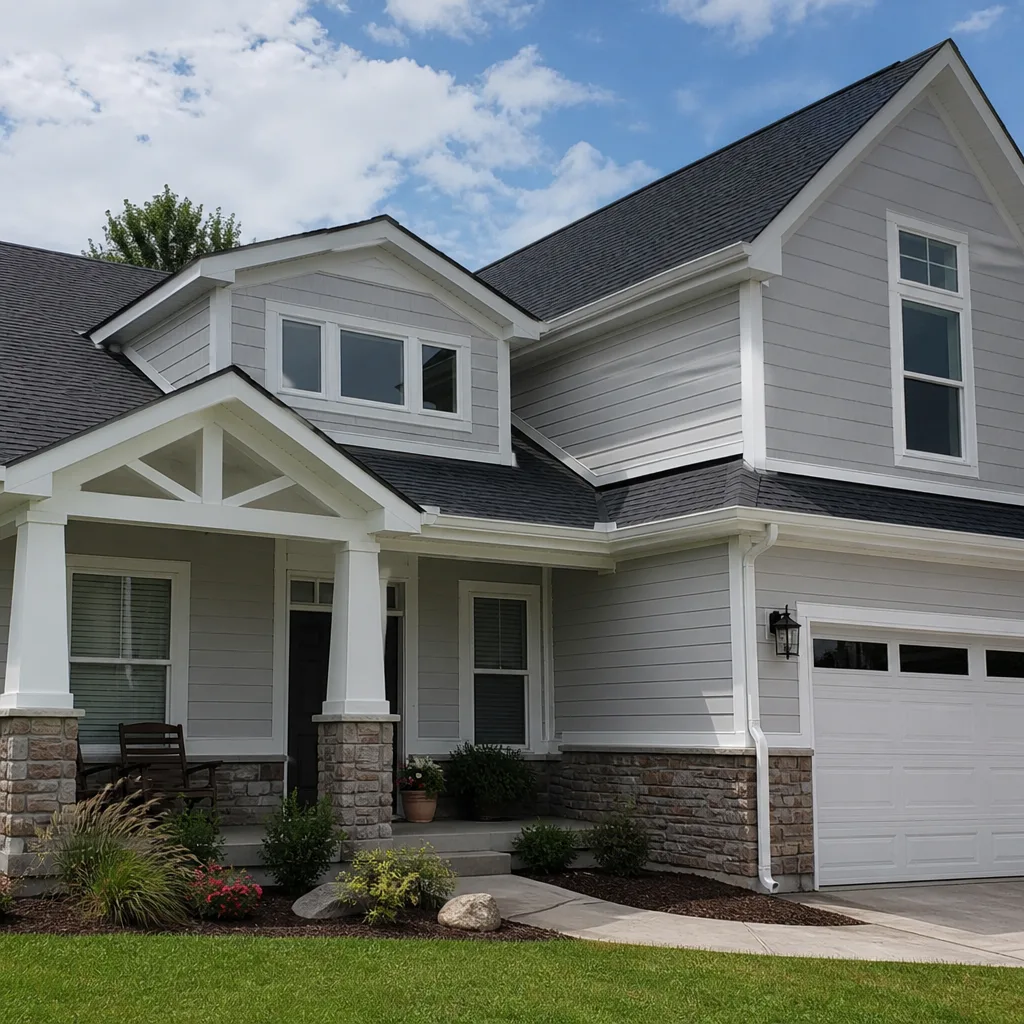 Storm response
 Sewage cleanup
 Reconstruction
Free visual inspection and a written scope of work before any mitigation begins - photos, moisture readings, and drying logs go in your claim file
The scope we write is the scope we bill. Anything new gets shown to you, in writing, before we touch it.
Get your free estimateFast, Reliable Mold Remediation Across Mead Valley
Mold remediation in Mead Valley usually costs between $1,800 and $6,500 depending on how far the growth has spread and whether it reached the structural framing. We get calls from homeowners on hard-packed decomposed granite lots where monsoon runoff pooled at the manufactured home skirting or the well head, and within days the belly board and floor joists are colonized. If you’re seeing staining on skirting, smelling earth inside the home, or dealing with a water event that never fully dried, call OC Restoration Co at (833) 589-7005. We’re IICRC-certified, we’re based nearby in Corona, and we know the failure points here better than a restoration company that treats Mead Valley as just another stop on the 215.
Why OC Restoration Co Is Mead Valley’s Preferred Mold Remediation Company
Our Mold Remediation team has worked across the 92570 ZIP long enough to know that the roof is rarely where the story starts. Mead Valley is unincorporated, largely rural, and dominated by manufactured homes, older ranch houses, and outbuildings on large lots. When water finds its way in, it’s usually at grade: the seam where mobile home skirting meets packed earth, the well head after a monsoon downpour, or the perimeter vent that let Santa Ana wind-driven dust carry spores into the crawl space. We pull moisture readings along the belly board before we ever start cutting, because treating visible surface mold while wet joists keep feeding the colony is how you end up redoing the job in eight months.
Homeowners here tend to hear about us from neighbors or their insurance adjuster, which says more than any ad budget. The work is documented at every stage with logged moisture readings and photo records, so when an adjuster asks what was found and what was done, the answer is in the file, not reconstructed from memory. Allen Burkhart, who leads our restoration operations, holds the team to IICRC protocols on every job, from the first visual assessment through clearance testing. We’re active members of the Restoration Industry Association and IFA, which means the people on your property are trained to documented industry standards and held to a professional code of ethics. For a Mead Valley homeowner dealing with mold after a flash flood around the well head or a slow leak under the kitchen sink that went unnoticed for months, that level of accountability is the difference between calling someone back and calling someone new.
Restoration work we handle
Mold Removal Specialist in Mead Valley
A Mold Removal Specialist in Mead Valley is the person who walks your property, maps the moisture, and removes the colonized materials under containment so the problem stops instead of spreading. On a 1970s ranch property off a large-lot road in the 92570 ZIP, monsoon runoff pooled at the well head and wicked up under the pier-and-beam skirting of a manufactured home, so our techs pulled moisture readings along the belly board, set air movers and a Dri-Eaz dehumidifier under containment, and ran antimicrobial treatment on the floor joists. Because there’s no municipal sewer to lean on, we flagged the well casing and skirting grade as the repeating entry point before clearing the structural drying with logged moisture readings. That’s the distinction: we’re not just cutting out visible growth, we’re finding the water source that keeps feeding it.
In Mead Valley, this work typically runs $2,000 to $5,000 when mold is confined to a crawl space, skirting cavity, or single wall section. Once growth reaches multiple rooms or the HVAC ductwork, costs climb toward $6,500 and up. The deciding factor is almost always how long the moisture sat. Monsoon water that pools and dries within 48 hours rarely colonizes framing. Water that sat for weeks under skirting after a winter storm does.
Containment and Moisture Mapping
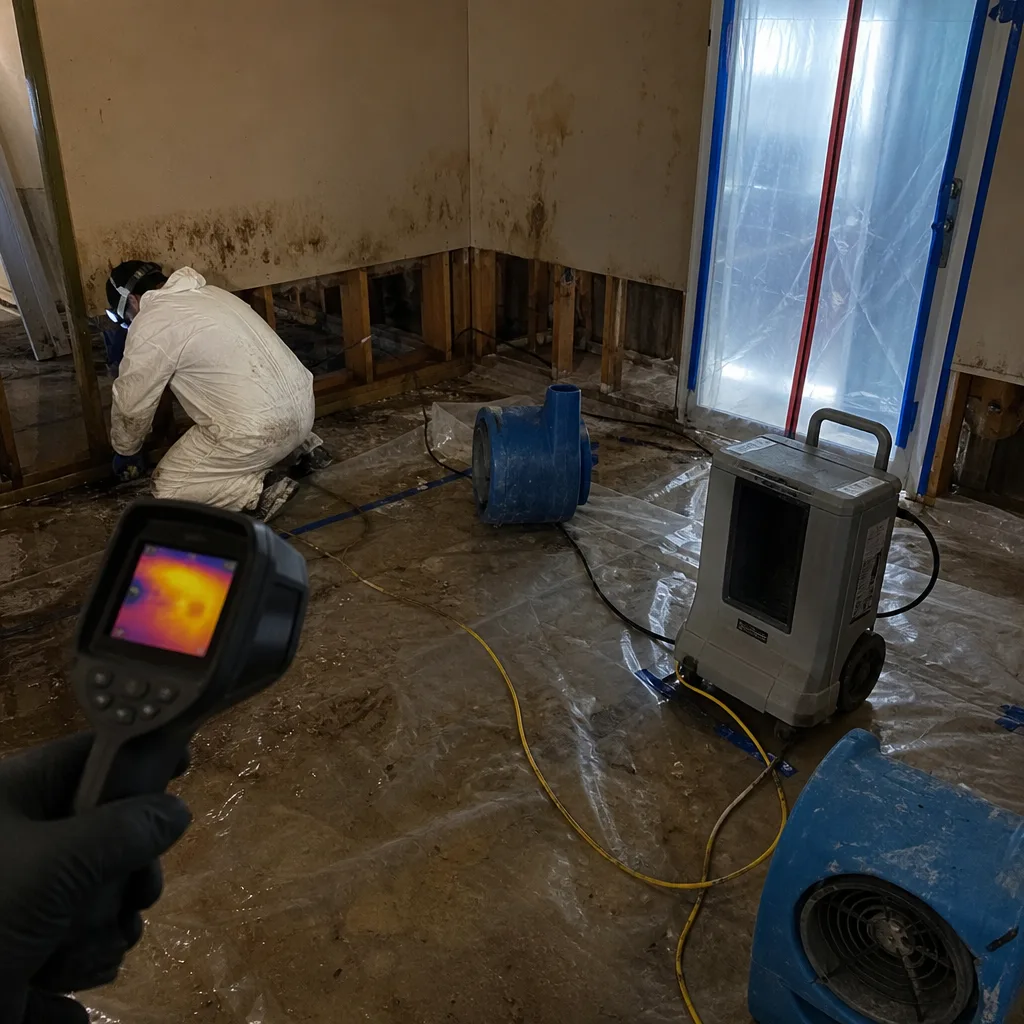
We build actual containment, not a plastic sheet tacked to a doorway. Negative air pressure keeps spores that get disturbed during removal from drifting into the living space. Every affected area gets moisture-mapped with meters and thermal imaging so we know where the wet ends before we open anything up. Written scope before work starts is standard on every job, so you know exactly what we’re cutting, what we’re treating, and what it costs before the first tool comes off the truck.
Structural Drying, Not Surface Drying
Injectidry systems let us force dry air into wall cavities and under the belly board without tearing out entire sections to reach the wet material. That matters in Mead Valley, where so many homes are pier-and-beam with wood floor joists that stay damp long after the surface looks fine. We’d rather preserve your original framing than demo it and rebuild on speculation.
Black Mold Removal in Mead Valley
Black Mold Removal in Mead Valley means identifying and removing the toxic species, most commonly Stachybotrys chartarum, from the building materials it’s colonized. Here, with hard-packed decomposed granite shedding monsoon water straight at the structure, the growth is often hiding under flooring or inside wall cavities behind manufactured home skirting, not on visible drywall. By the time you see the black staining on a wall or peel back a piece of skirting and find it, the colony has usually been developing for weeks.
Removal cost in Mead Valley for isolated black mold under a kitchen sink or along one exterior wall usually lands in the $2,500 to $4,000 range. When Stachybotrys has colonized a full crawl space under a mobile home, expect $4,500 to $6,500, because every affected joist and insulation batt has to come out under containment, and the cavity has to be dried and treated before new material goes back in. The good news: a properly executed removal with documented clearance testing ends the problem. Black mold does not come back unless the water source does. So we fix both.
When to Stop Wiping and Start Calling
If the stained area is larger than roughly a square foot, if it’s under flooring or behind skirting, or if anyone in the house has respiratory symptoms that fade when they leave, don’t try to clean it. Disturbing colonized materials releases spores into the air you’re breathing. Black mold removal is containment work first, cleaning work second.
Clearance and Verification
After the removal, we run air sampling and surface swabs to verify the spore counts are back to normal background levels for Mead Valley’s high-desert air. We don’t declare the job done because it looks clean. We declare it done because the numbers say it’s clean.
Trusted Brands We Service in Mead Valley
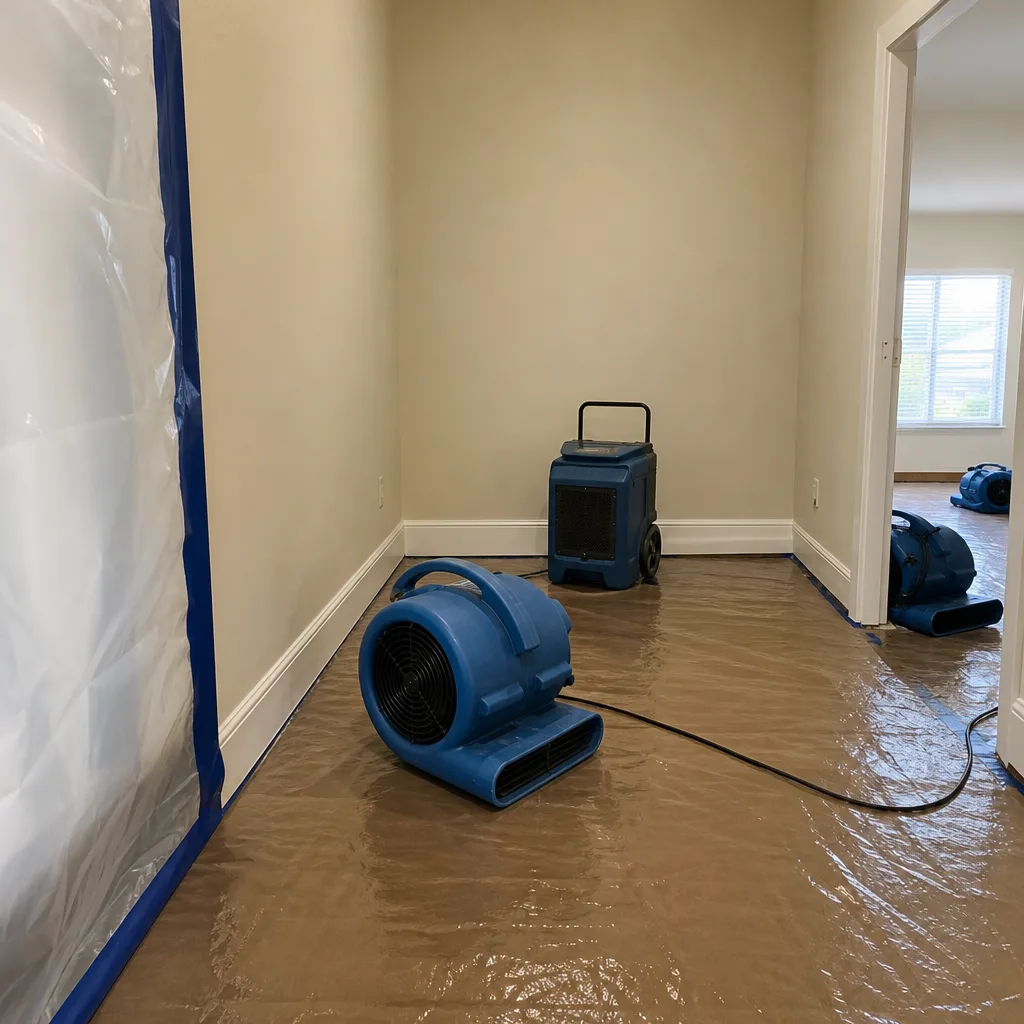
The equipment on your property matters. We run Dri-Eaz dehumidifiers and air movers, the same commercial-grade line used by national restoration firms, not the small consumer units you can rent at a hardware store. Our Injectidry systems handle targeted structural drying inside walls and under pier-and-beam flooring, which reduces how much of your original framing has to be demoed. Because we’re headquartered in Corona, we stock the parts, filters, and antimicrobial agents we need for Mead Valley jobs on our own trucks, not ordered in from a supplier two days out. When you call about mold under a mobile home after a weekend storm, we’re not waiting on a shipment to start the job.
See the difference
 Before
 After
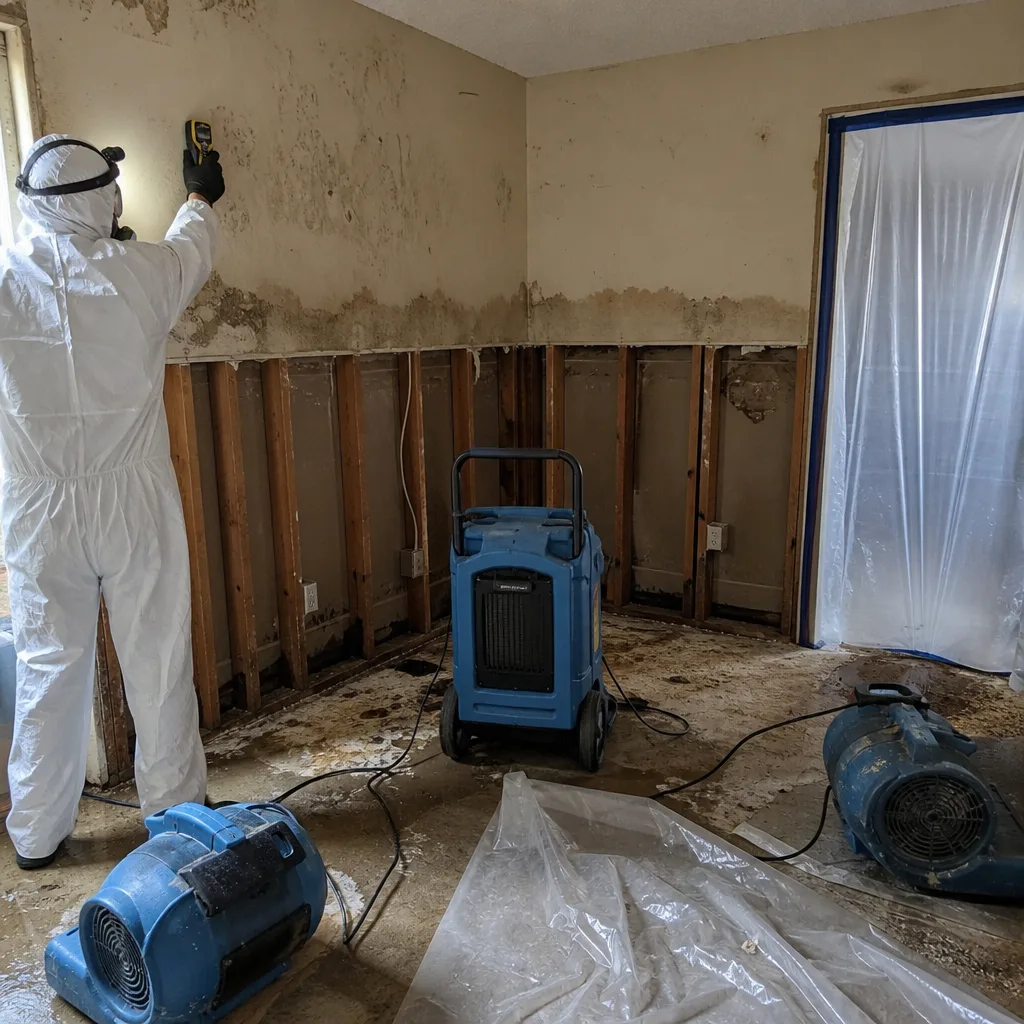 Before
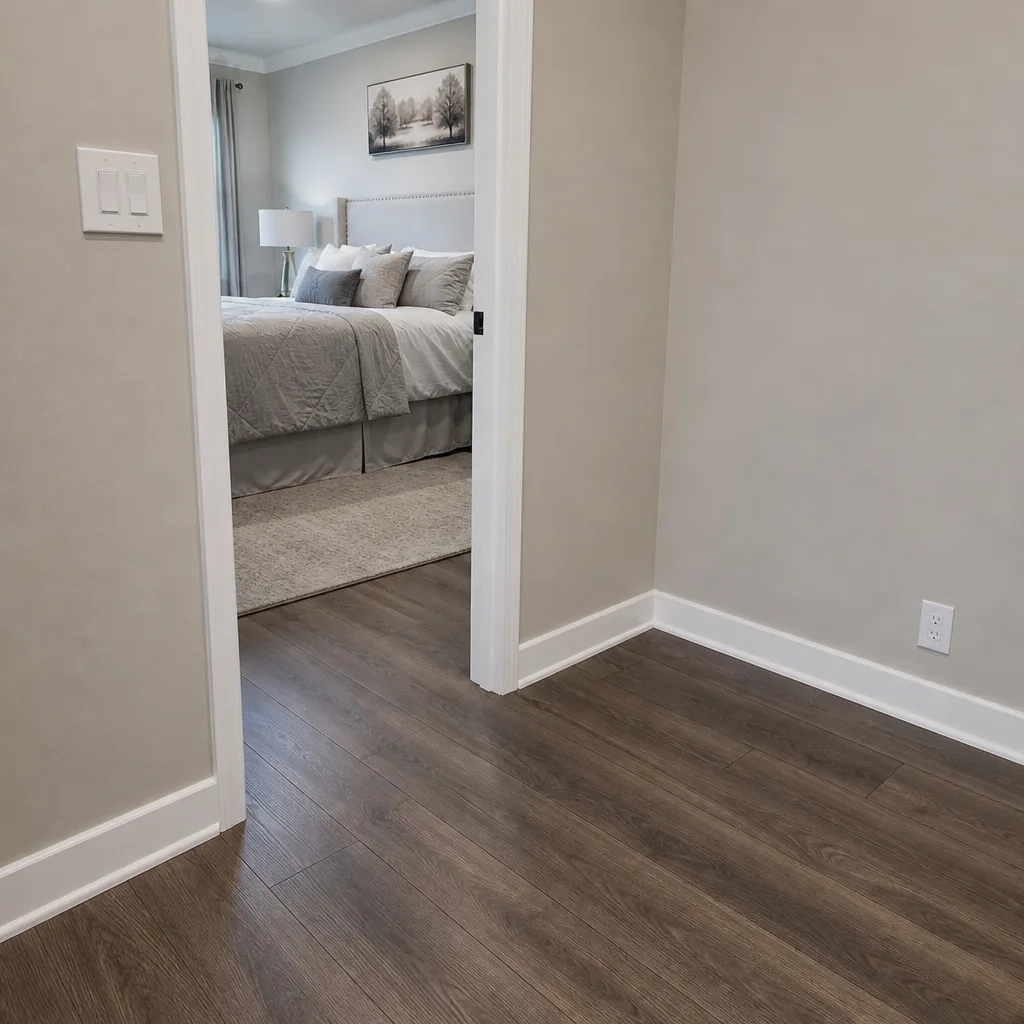 After
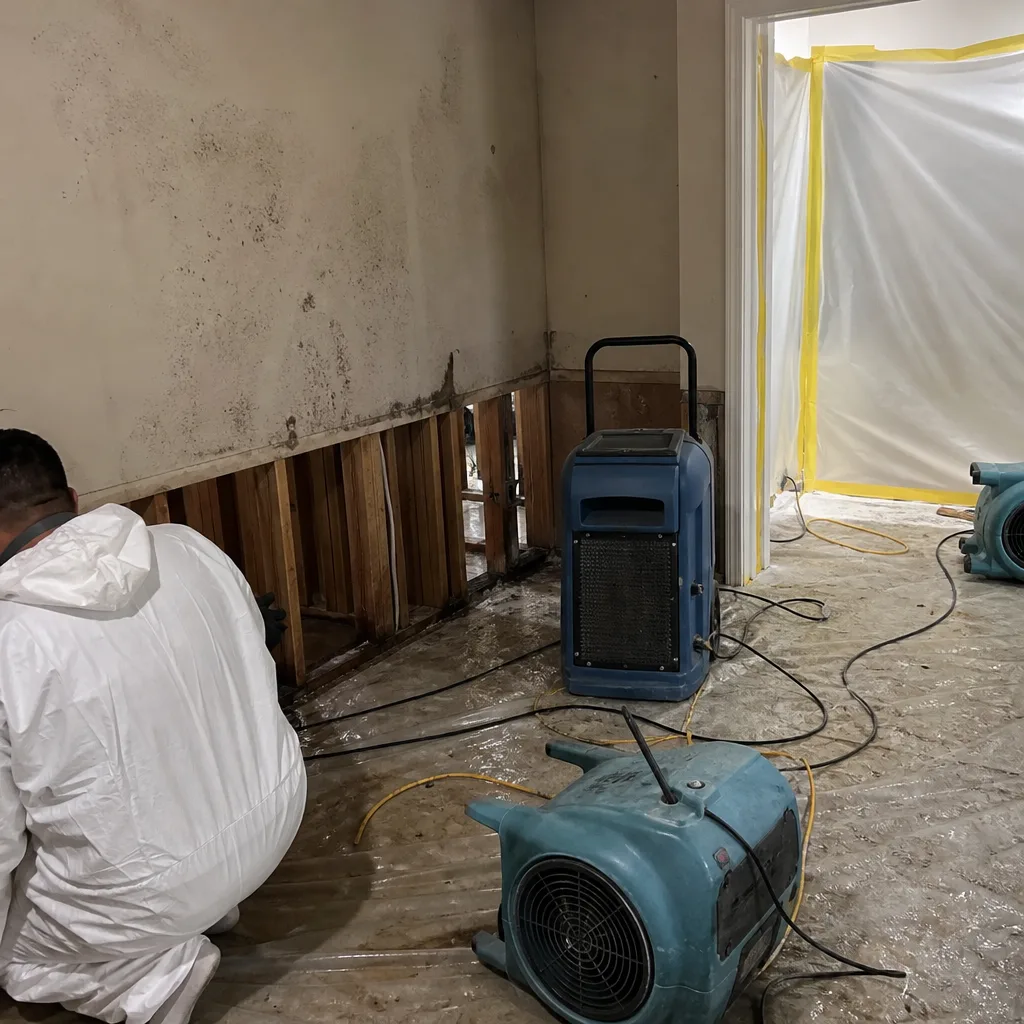 Before
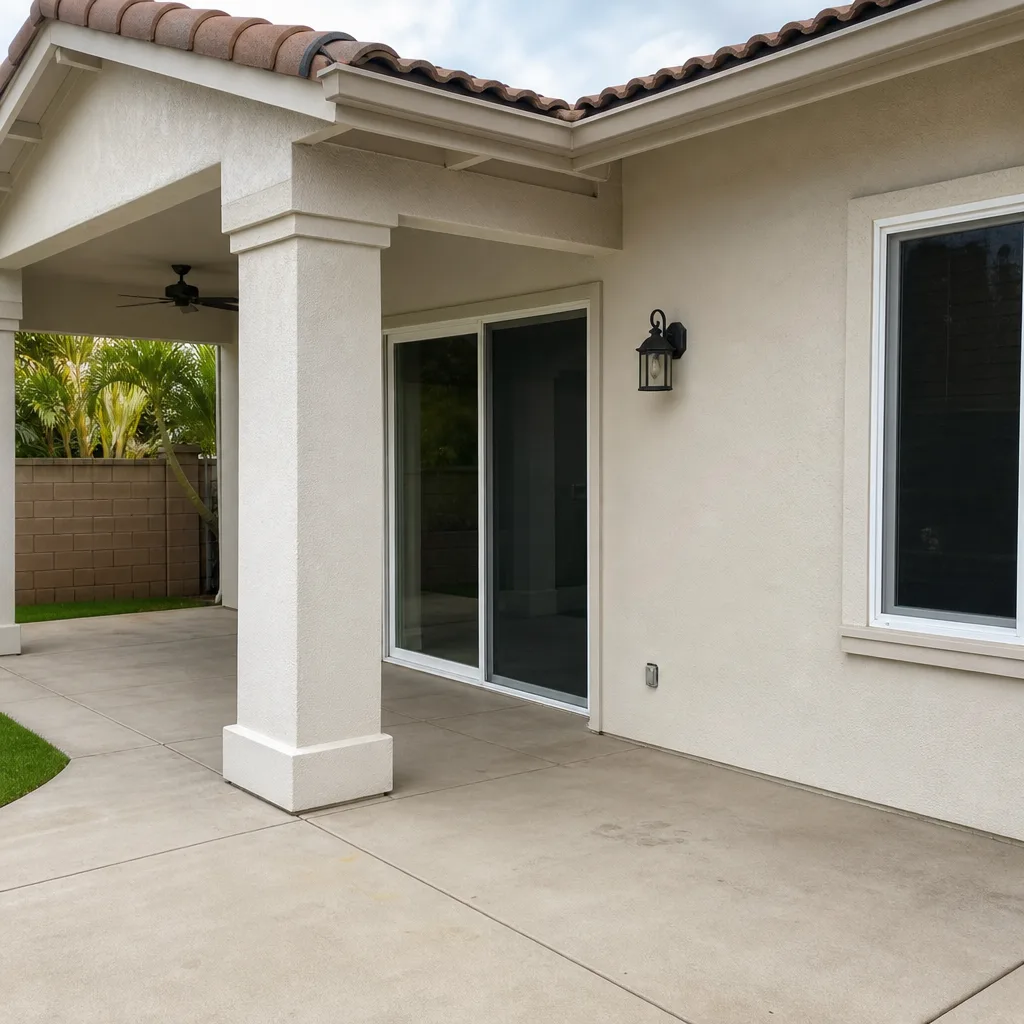 After
Common Mold Remediation Problems We See in Mead Valley Homes
- Skirt-to-ground seams that never got graded. Water pools at the manufactured home skirting after every rain because the decomposed granite soil sheds water instead of absorbing it. The skirting looks intact from outside, but behind it the belly board and floor joists stay wet for weeks, and the mold colony takes hold before anyone notices.
- Well head flooding that no one connected to indoor mold. After a monsoon, the well casing floods, water wicks under the home, and within 10 to 14 days the joists are colonized. The homeowner sees musty air and calls about mold, but the roof is dry. The well head and skirting grade are the actual entry point.
- Santa Ana wind-driven dust and ember intrusion through unsealed skirting and vents. Dust carries mold spores in through gaps, and embers during fire season find their way into the same cavities that hold moisture. We see properties where mold was treated but the vents and skirting seams were never sealed, so airborne spores keep coming back with every wind event.
- Outbuildings on large lots that go unmonitored. Detached garages, storage sheds, and workshops on Mead Valley’s large rural parcels get wet after storms and nobody notices until the smell makes it uninhabitable. By then the growth has usually spread into the framing.
Pricing for Mold Remediation in Mead Valley, CA
A typical mold remediation job in Mead Valley runs $1,800 to $6,500. Isolated growth on a single wall or under a sink, with no structural wetness, lands in the $1,800 to $2,500 range. Crawl space or skirting-cavity mold under a manufactured home, where floor joists and belly board are affected, runs $3,000 to $5,000. Full remediation after long-standing water intrusion or black mold that spread through multiple rooms starts at $5,000 and tops out around $6,500. What drives the cost is square footage of affected material, whether containment and structural drying equipment are required, and whether we’re treating framing or just removing drywall and insulation. We provide a Mold Remediation in Mead Valley estimate in writing before any work begins, and the estimate is free. Call (833) 589-7005 and we’ll schedule the assessment.
We Also Serve Cities Near Mead Valley
Our restoration crews cover the surrounding communities daily. That includes Perris, Good Hope, Canyon Lake, and Meadowbrook, where we handle the same wind-driven moisture and manufactured home issues we see across Mead Valley. If you’re outside the immediate 92570 area, call (833) 589-7005 and we’ll let you know our next available assessment slot.
Serving Mead Valley, CA — Our Local Coverage Area
We’re based in the Mead Valley area and know this community well. Use the map below to see our service coverage — if you’re nearby, we can almost certainly help.
FAQs About Mold Remediation in Mead Valley
Because your roof isn’t the intrusion point, your skirting and well head are. Mead Valley sits on hard-packed decomposed granite that sheds monsoon water fast, and with no municipal drainage, that water pools at grade. The seam where manufactured home skirting meets the ground and the area around the private well casing are the two most common entry points we see in the 92570 ZIP. The water wicks up into the belly board and floor joists, so the mold develops beneath you, not above you. Call (833) 589-7005 and we’ll pull moisture readings under the home to find the actual source.
Under Mead Valley’s warm high-desert conditions, mold colonization typically begins within 24 to 48 hours of a water event, and visible growth can appear within 3 to 5 days when temperatures are in the 80s and above. The longer the moisture sits, especially in enclosed under-home cavities where air doesn’t move, the faster the colony extends into porous framing. That’s why drying equipment should be in place within hours of the initial call, and why our crews carry Dri-Eaz equipment on trucks ready to dispatch from Corona.
Yes. Santa Ana winds push fine dust and mold spores into any unsealed gap: skirting seams, vent screens, bay doors, under doors, around window casings. On a rural Mead Valley lot, an outbuilding that got wet once and was never properly dried will keep getting re-seeded every time the wind picks up. We address the intrusion points as part of the remediation, not as a separate job you have to remember later. Sealing skirting, replacing torn vent screens, and grading the perimeter are all part of the same scope we hand you in writing before work begins.
The difference is that we treat the water source specific to Mead Valley lots, not just the visible mold. Most dry-out companies dry the surface, spray some antimicrobial, and leave. We trace the wetting back to the skirt-to-ground seam, the well head, or the vent gap, fix the grade, seal the entry point, and then clear the structural drying with logged moisture readings. Allen Burkhart runs our crews to IICRC standards, and the whole process is documented with photos and meter readings that your adjuster can review without questions. That’s the difference between a job that’s done when the surface looks dry and a job that’s done when the cavity is dry and the water can’t come back the same way.
Yes, in most cases. Because the mold under a pier-and-beam manufactured home is usually confined to the belly board, floor joists, and skirting cavity, we can access the affected area from below without emptying the entire living space. We run containment under the home, remove the colonized insulation and belly board material, dry the framing with air movers and Dri-Eaz equipment, treat the lumber, and then replace the materials we removed. A full pack-out is only necessary when mold spread into the living space itself. Call (833) 589-7005 for an assessment and we’ll tell you exactly what your specific home needs.
Written by Allen Burkhart, Owner at OC Restoration Co, serving Mead Valley since our first 92570 restoration call.