 Water damage drying
 Fire & smoke cleanup
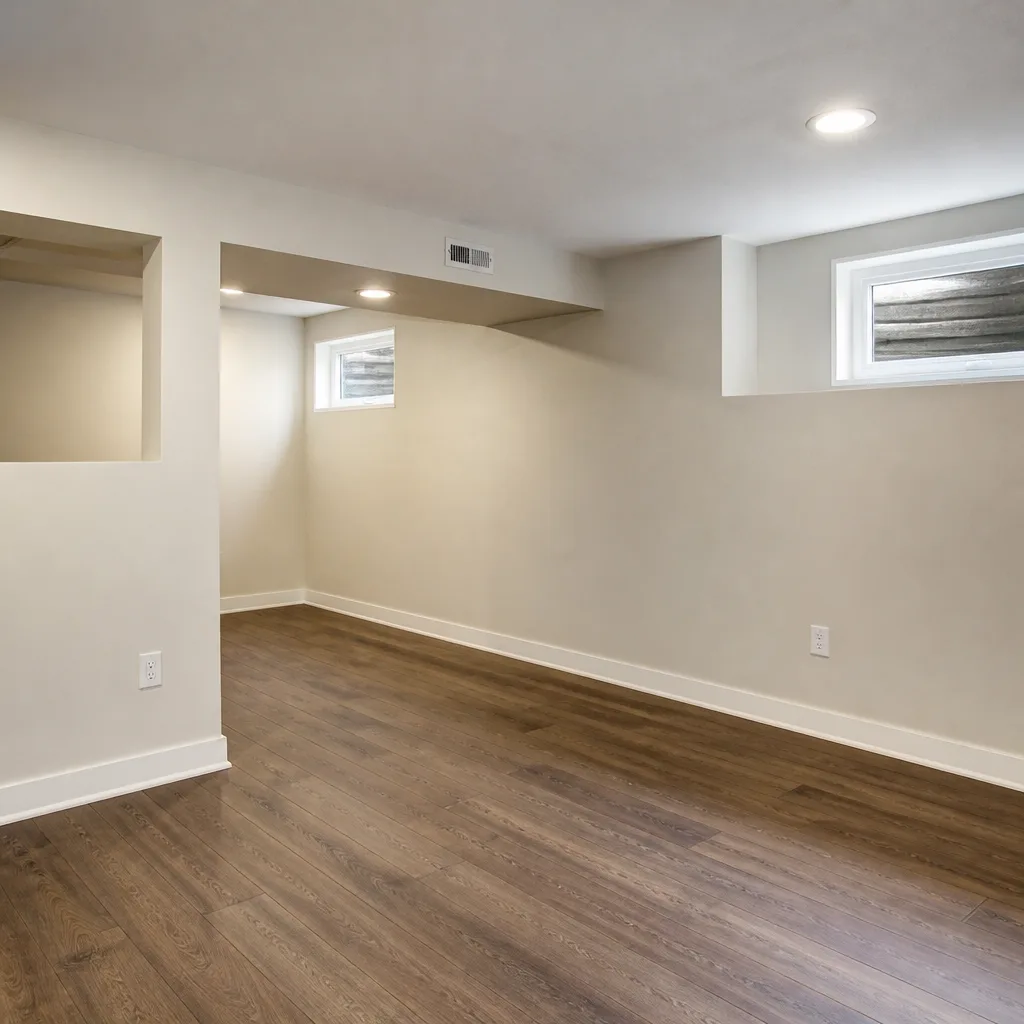 Mold remediation
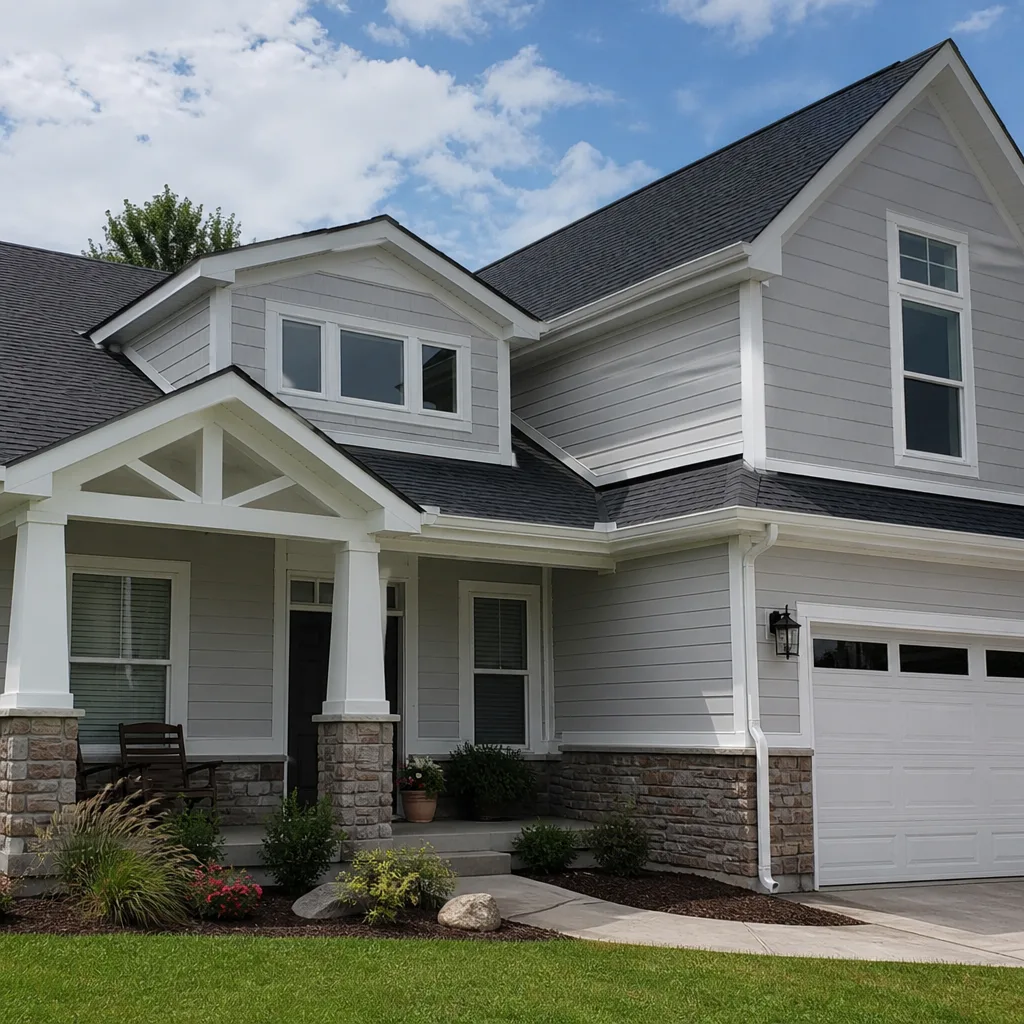 Storm response
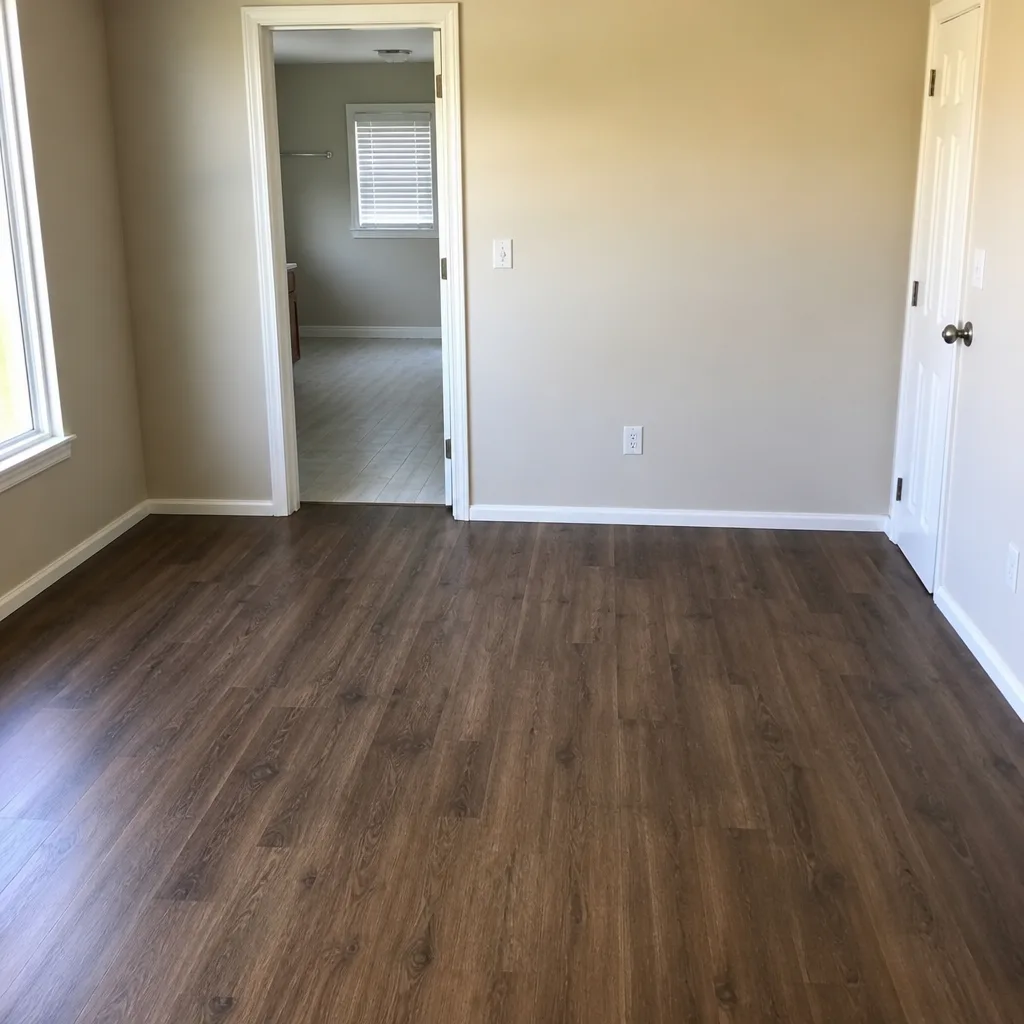 Sewage cleanup
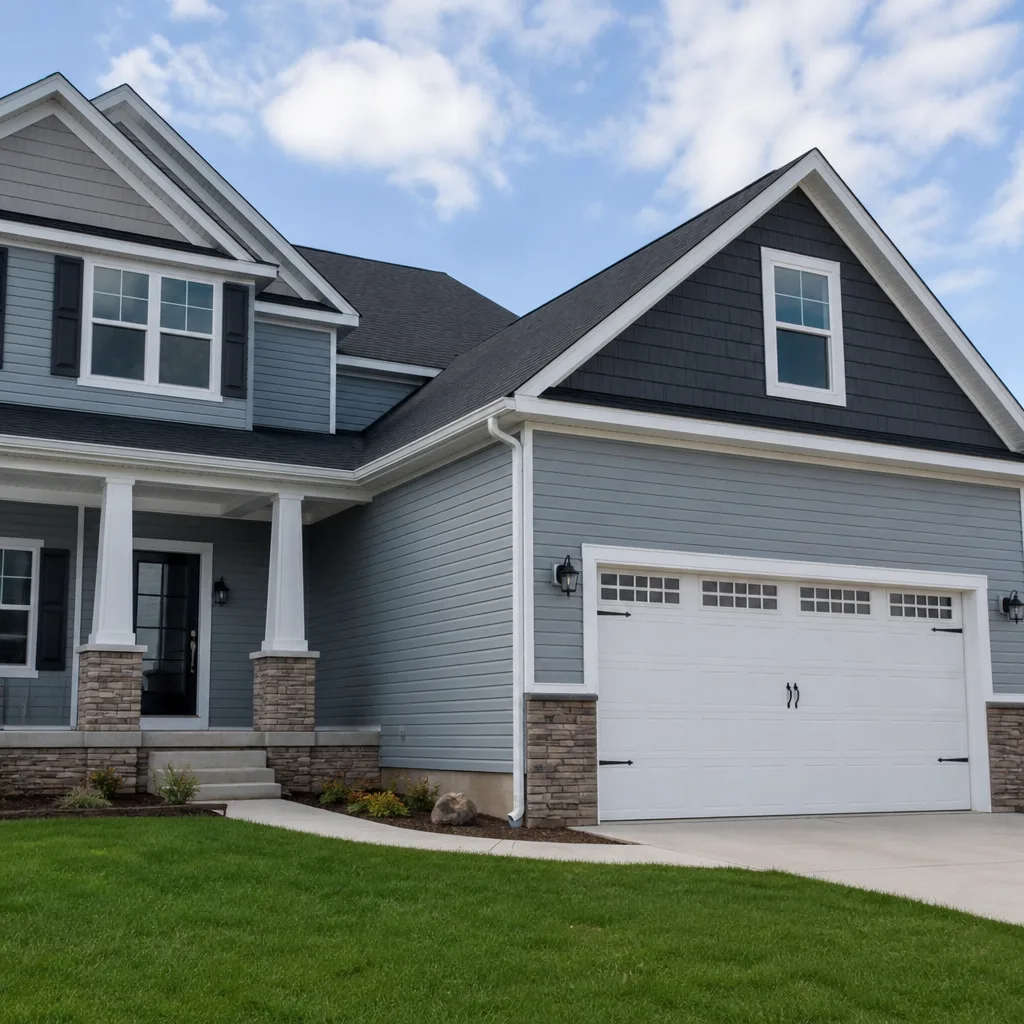 Reconstruction
Free visual inspection and a written scope of work before any mitigation begins - photos, moisture readings, and drying logs go in your claim file
The scope we write is the scope we bill. Anything new gets shown to you, in writing, before we touch it.
Get your free estimateFast, Reliable Water Damage Restoration Across Banning
Water damage restoration in Banning typically costs $1,800 to $6,500 depending on the extent of the water intrusion, with emergency water removal alone running $1,200 to $3,800. When you call (833) 589-7005, you’re reaching a team that knows the San Gorgonio Pass wind patterns and how they force water into Banning homes. We dispatch crews to the 92220 zip code throughout the day, and we’ve worked on everything from mid-century homes off San Gorgonio Avenue to newer manufactured homes on the city’s outskirts. The faster water is extracted and structural drying begins, the less demolition is required. That’s why our crews arrive with commercial-grade extraction and drying equipment already loaded, not a list of excuses.
Why OC Restoration Co Is Banning’s Preferred Water Damage Restoration Company
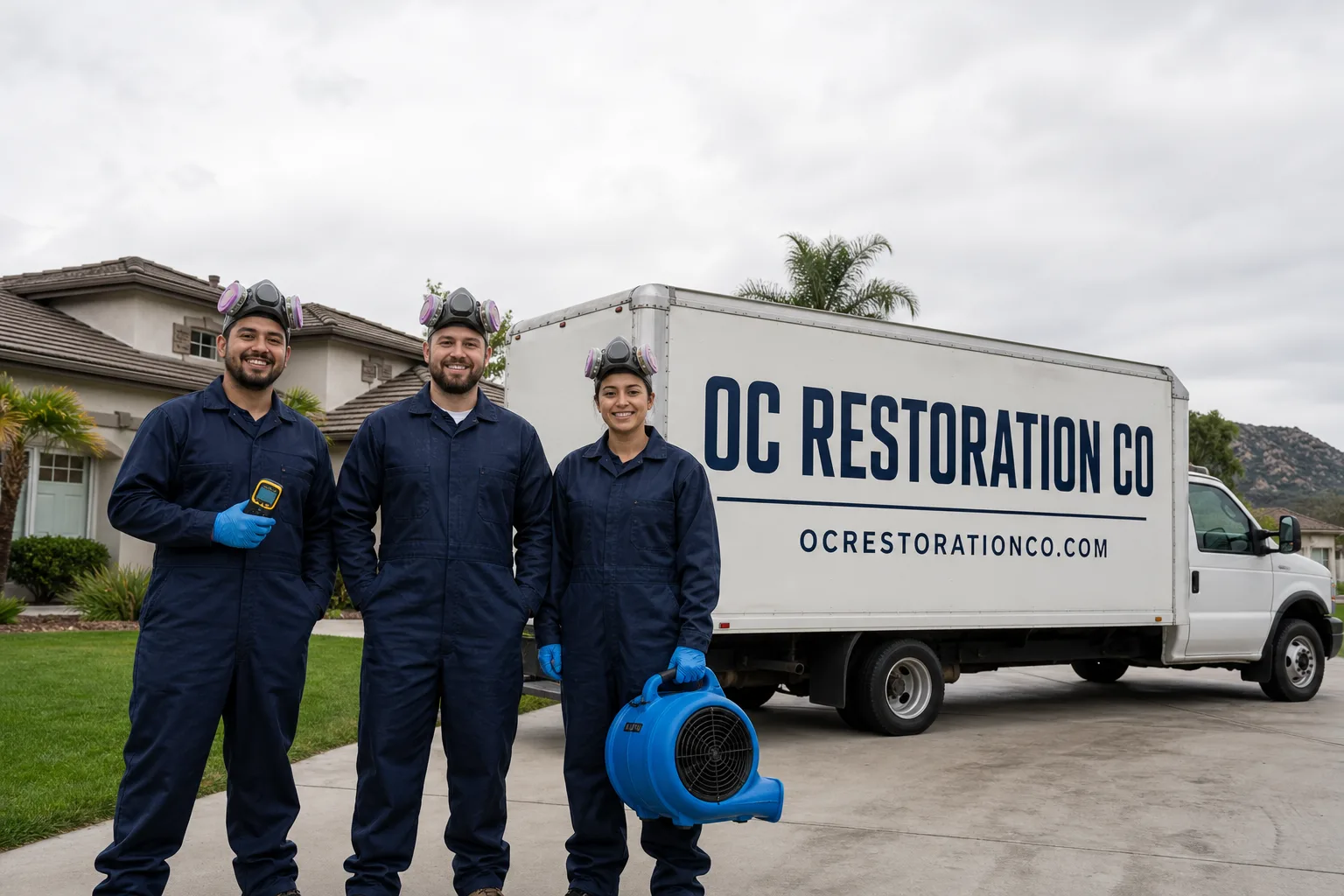
Our IICRC-certified technicians follow documented, protocol-driven drying procedures that insurance adjusters in Banning recognize and accept. Allen Burkhart built OC Restoration Co around a simple premise: restoration should be handled by credentialed specialists using professional equipment, not by general contractors learning on the job. We carry Dri-Eaz dehumidifiers, Phoenix air movers, and Injectidry structural drying systems on every Banning call. These are the same equipment lines national restoration firms use, because consumer-grade fans and rental dehumidifiers don’t achieve the moisture removal rates required for Category 2 water intrusion.
Banning homeowners and property managers call us because we treat wind-driven water damage as the structural problem it is. We don’t just dry the surface and pack up. Our techs map moisture in wall cavities on the windward side of the home where pass winds force rain sideways under flashing. That’s the difference between a one-visit fix and a home that slowly rots inside its own walls.
Restoration work we handle
Emergency Water Removal in Banning
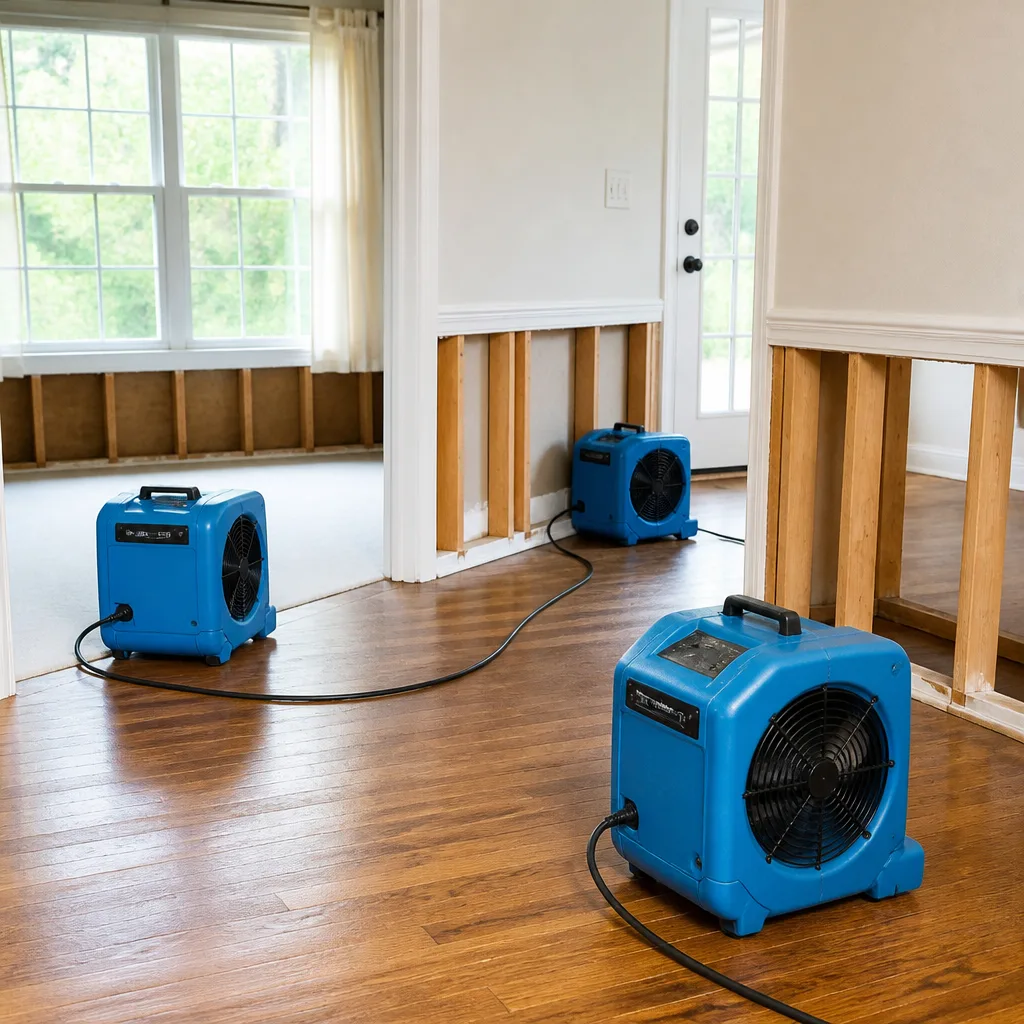
Emergency Water Removal in Banning means getting standing water out of your home immediately after a wind-driven storm, burst pipe, or flash flood from the nearby mountains. The first 24 to 48 hours matter most: wet drywall and insulation begin supporting mold growth quickly, even in Banning’s dry climate. Our crews arrive prepared to extract water from carpets, hardwood, concrete slabs, and wall cavities using truck-mounted and portable extraction units, then place air movers and Dri-Eaz dehumidifiers to begin structural drying. We photograph everything before work begins, document moisture readings, and build a moisture map so you and your adjuster see exactly what was wet, what got dried, and what needs replacement.
Water Extraction and Containment
We set containment as needed to keep water from spreading into dry rooms, then remove standing water with commercial extraction equipment. In Banning homes with older single-pane windows and aging roofing, water often pools in window wells and wall cavities rather than on floors, so our techs drill small openings at baseboard level to release trapped water. Every extraction includes moisture readings before and after, so there’s a written record for your insurance claim.
Structural Drying Protocol
Structural drying is not the same as running a fan for a few days. We use Injectidry panels for targeted drying inside wall cavities, especially on the windward side of Banning homes where sideways rain saturates framing and insulation. Our techs log daily moisture readings against the dry standard and don’t close the file until readings show pre-loss condition across all affected areas. A quick surface check after Banning’s hot dry winds can mislead you into thinking the home is dry when cavity moisture remains trapped. We don’t make that mistake.
Flood Damage Restoration in Banning
Flood Damage Restoration in Banning means responding to stormwater or monsoon-season flash flooding that enters through doorways, garage thresholds, or sites where the San Gorgonio Pass sends water across pads toward older canyon-adjacent lots. Unlike a clean pipe break, floodwater here carries silt, debris, and often contaminants from the surrounding terrain. Our crews categorize the water per IICRC standards, remove contaminated porous materials when required, sanitize affected surfaces, and then dry the structure. Flood work in Banning typically runs $2,500 to $8,900 depending on how far the water traveled and what materials absorbed it.
Flash Flood Intrusion Response
Mountain runoff from the San Bernardino side can turn a dry Banning afternoon into a flooded garage or sunken living room within an hour. We respond by extracting the water, removing saturated carpet pad and drywall cuts where contamination is present, and setting drying equipment. The dry Banning air helps surface drying go fast, but the trapped moisture in the slab and lower wall cavities still needs mechanical dehumidification.
Sewage and Contaminated Water Handling
When floodwater crosses a driveway or yard before entering the home, it picks up everything on the ground. We don’t treat that as clean water. Our technicians categorize the intrusion correctly, apply antimicrobial treatments where framing is involved, and dispose of contaminated materials according to local waste requirements for the Banning area. The written scope we provide before work starts keeps you and your insurance adjuster on the same page about what gets cleaned, what gets removed, and what gets replaced.
Trusted Brands We Service in Banning
We work on water damage restoration projects in Banning regardless of the brand of plumbing, roofing, or building materials involved. The homes we service range from mid-century frame construction off San Gorgonio Avenue to newer manufactured and tract housing on the outskirts. We maintain commercial-grade Dri-Eaz, Phoenix, and Injectidry drying equipment specifically for the wind-driven intrusion patterns common in Banning. Our techs know which building assemblies trap water most often in this climate and where to check first on a windward wall. That’s not brand loyalty to a particular home builder; it’s field experience in the 92220 zip code.
See the difference
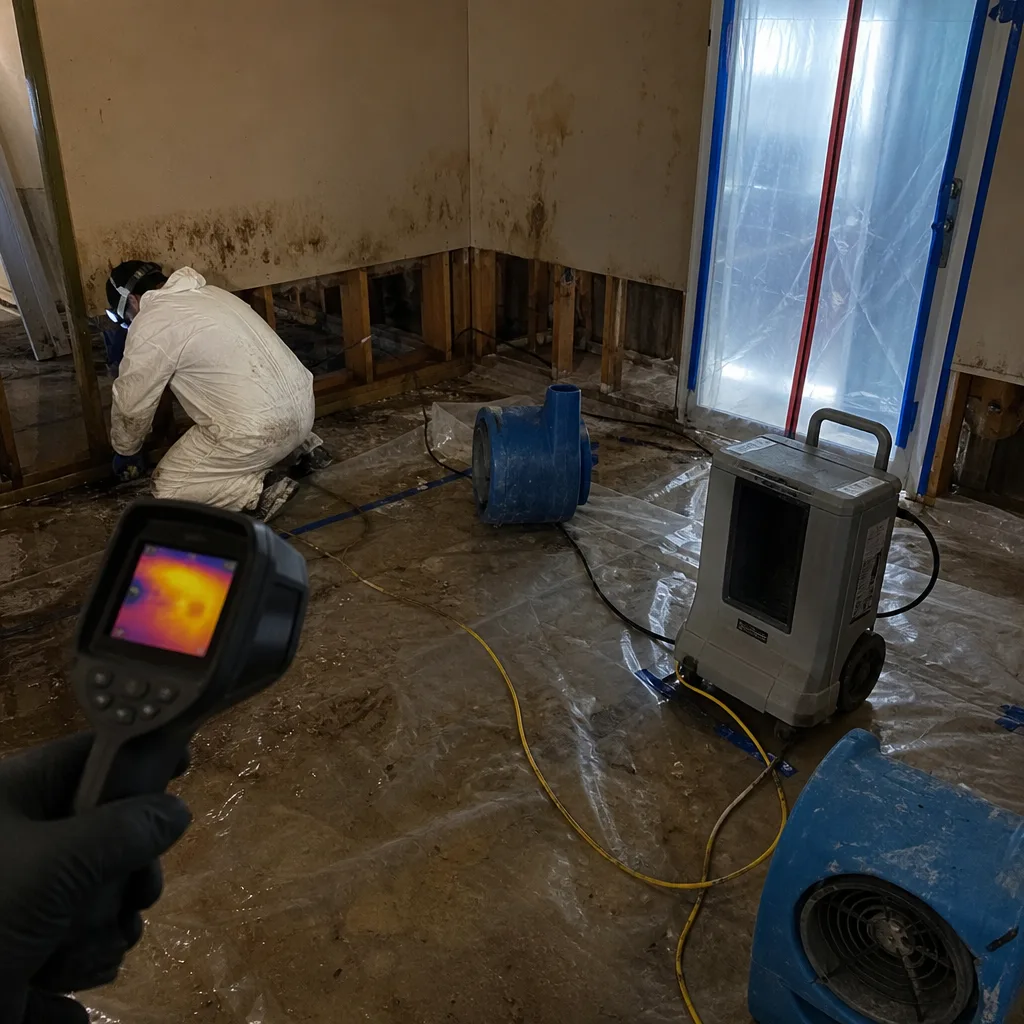 Before
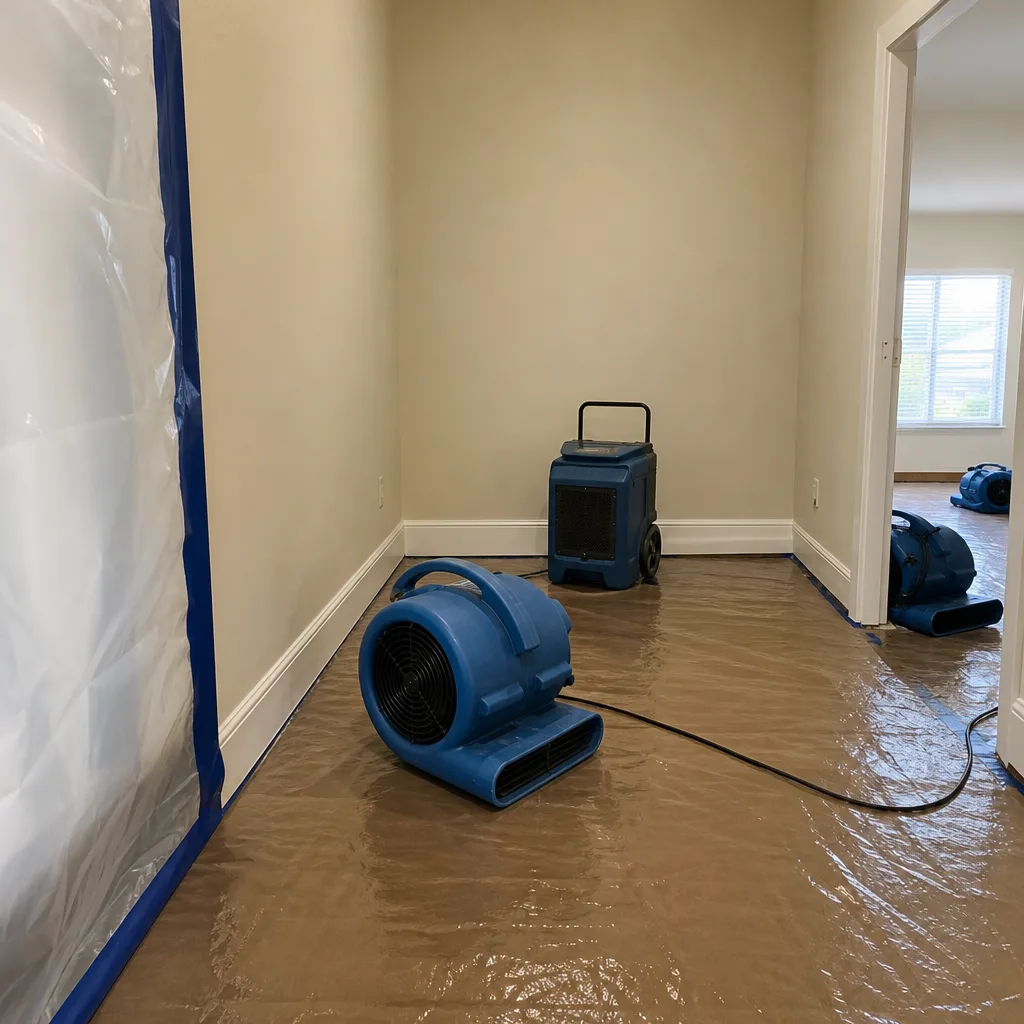 After
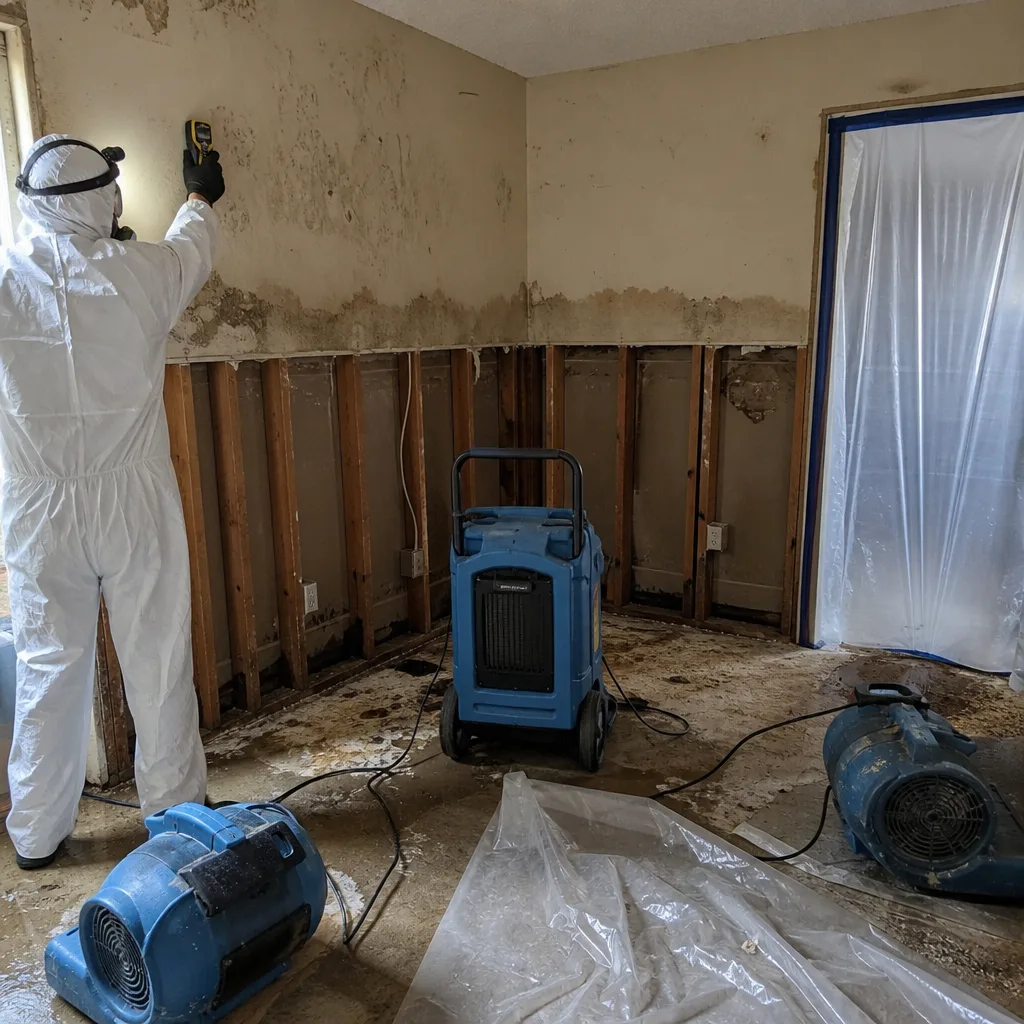 Before
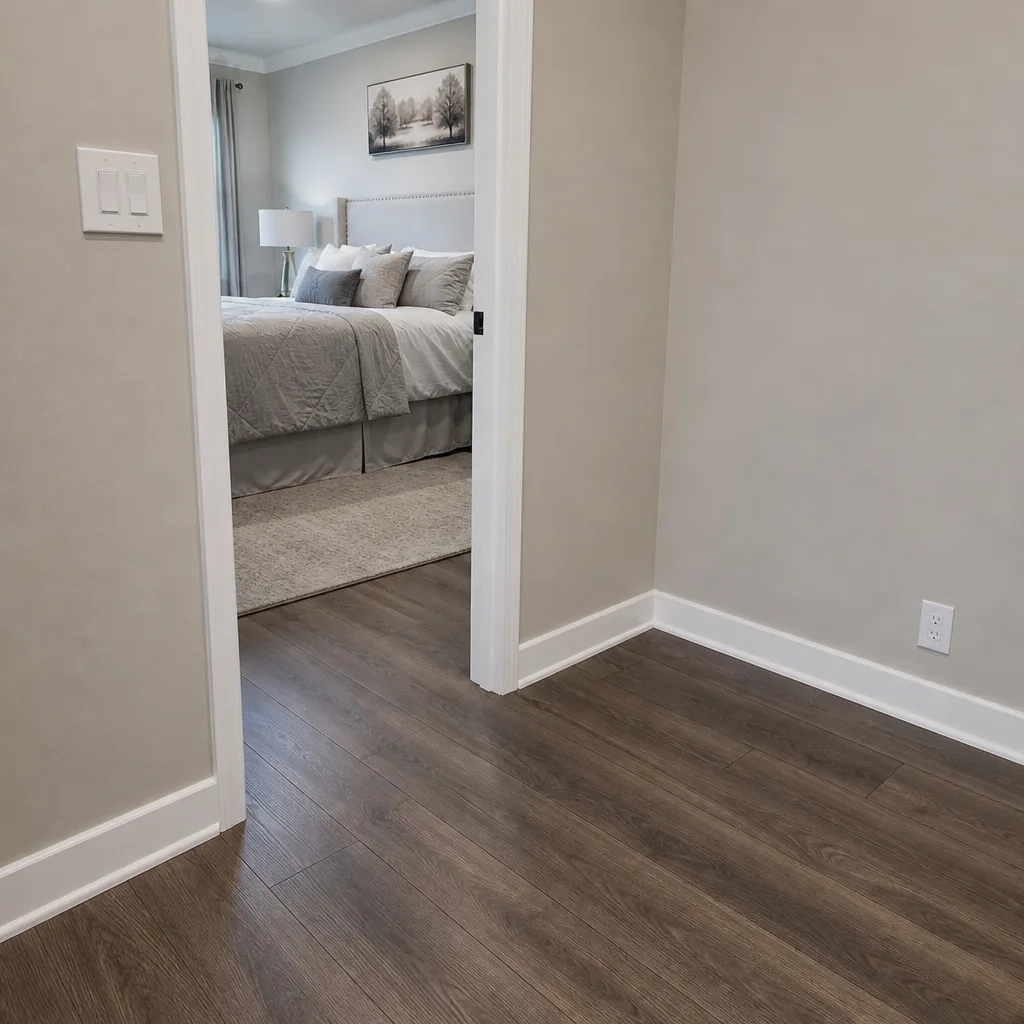 After
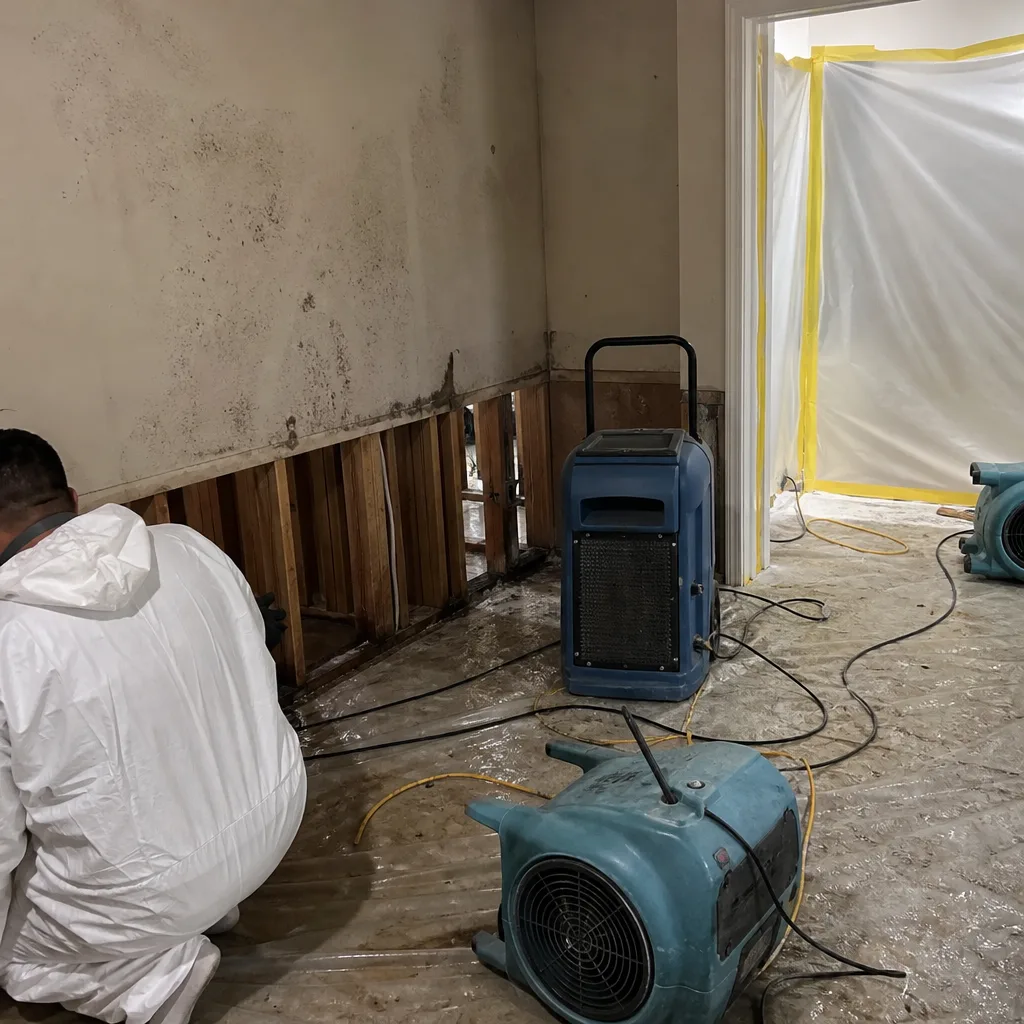 Before
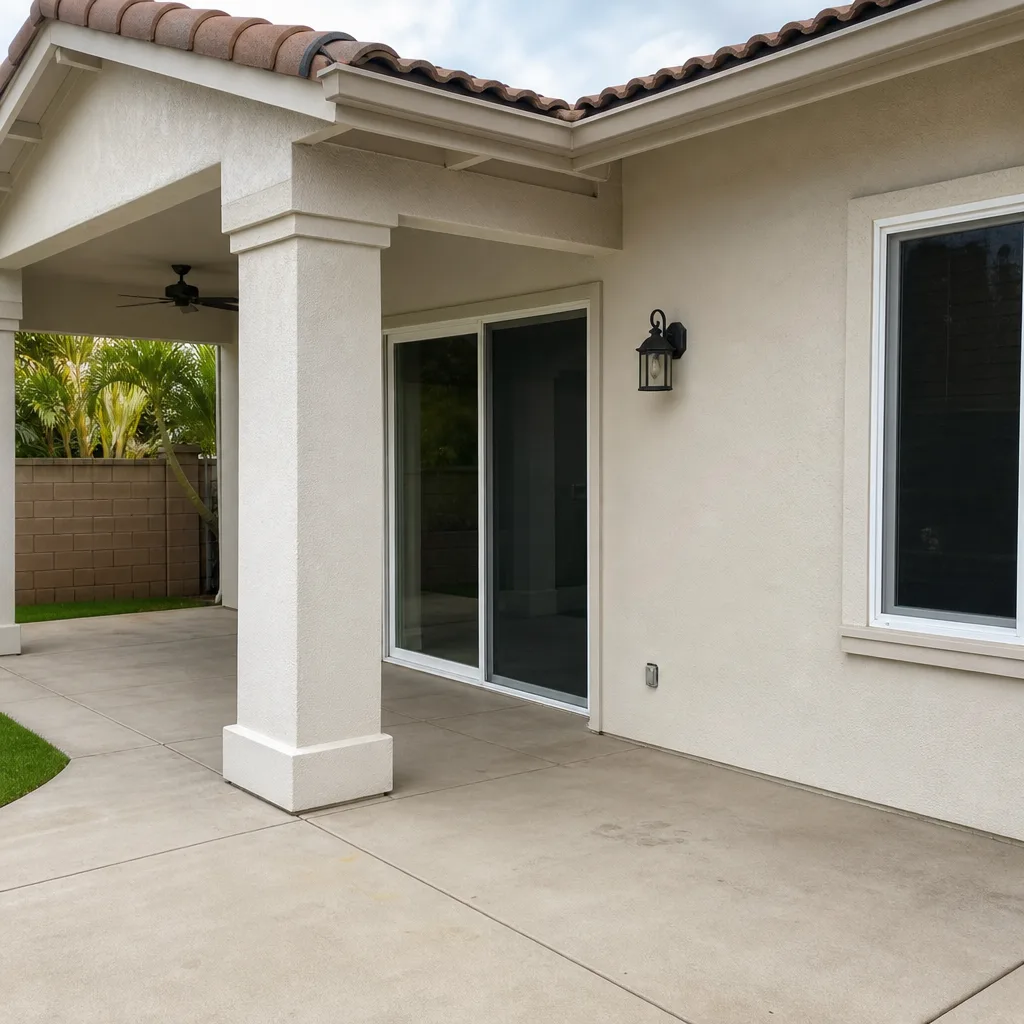 After
Common Water Damage Restoration Problems We See in Banning Homes
- Wind-driven rain entry at roof edges and vents. The San Gorgonio Pass lifts shingles and pushes rain sideways under flashing. Water shows up first as ceiling stains near the windward roofline, not as a visible leak at the source. By the time the stain appears, the roof decking and insulation above it have already absorbed moisture.
- Swelling and staining on window walls facing the pass winds. Single-pane and older dual-pane windows on the west and northwest sides of Banning homes take direct wind pressure. Water gets forced around the window frame, wets the drywall and insulation in the wall cavity below the sill, and swells the casing. Homeowners often mistake this for a plumbing leak because the window itself looks dry.
- Manufactured and mobile home roof edge failures on Banning’s outskirts. Manufactured homes with metal or membrane roofing take wind uplift at the edges and at vents. When a seam opens, wind-driven rain enters and runs along ceiling panels until it finds a light fixture or wall line to drip through. The damage is often far from the actual entry point.
- Rapid wet-then-dry cycles hiding cavity moisture. Banning’s monsoon rains soak a wall, then the hot dry wind evaporates the surface moisture within a day. If you only check the surface, it seems dry. We use penetrating moisture meters and thermal imaging in windward cavities because that’s where the water actually sits in this climate.
Pricing for Water Damage Restoration in Banning, CA
Here are honest numbers for the Banning market. Basic water extraction from a single room with drying equipment placement runs $1,200 to $2,800. Water damage from a wind-driven rain event affecting a windward wall and ceiling typically runs $2,500 to $5,500 including extraction, drywall removal, structural drying, and antimicrobial treatment. Flood damage restoration from monsoon runoff or a garage intrusion runs $2,500 to $8,900, depending on contamination level and square footage. Burst pipe restoration in a mid-century home off San Gorgonio Avenue falls between $1,800 and $4,200 for a single room. Ceiling and roof leak water damage from pass-wind shingle lift generally runs $2,000 to $5,000 including the dry-out and affected ceiling repairs. What moves the cost in Banning specifically is whether the windward wall cavities require Injectidry structural drying and whether insulation must be removed due to Category 2 grey water contamination. Call (833) 589-7005 for a free, written estimate.
We Also Serve Cities Near Banning
If your property is near Banning, we cover the surrounding communities as well. We handle water damage restoration in Cabazon, Calimesa, Yucaipa, and Valle Vista, with the same IICRC-certified crews and commercial drying equipment. If you’re in one of these nearby areas or elsewhere along the pass corridor, you can reach our Water Damage Restoration team directly. For properties inside the Banning city limits or the 92220 zip code, our Water Damage Restoration in Banning page covers the local details.
Serving Banning, CA — Our Local Coverage Area
We’re based in the Banning area and know this community well. Use the map below to see our service coverage — if you’re nearby, we can almost certainly help.
FAQs About Water Damage Restoration in Banning
Water damage in Banning starts windward because the San Gorgonio Pass pushes rain sideways against west- and northwest-facing walls, forcing water under flashing, around window frames, and into roof edges. The wind creates enough pressure to drive water uphill along building surfaces and into joints that gravity alone would never penetrate. Homeowners see ceiling stains, swollen window casings, and peeling paint on those windward faces first.
If you notice a stain or swelling on the windward side of your Banning home, call (833) 589-7005 for an assessment. The sooner the cavity is opened and dried, the less demolition you’re facing.
No. Banning’s dry air accelerates surface evaporation, which can make a wall feel dry to the touch while trapped moisture remains inside the wall cavity. That trapped moisture still feeds mold growth and slowly rots framing, even though the exterior of the drywall feels dry. Skipping structural drying after a wind-driven rain event is the single most common reason Banning homeowners end up with secondary damage months later.
We use moisture meters and thermal imaging to find what the dry air hid, then dry it properly. Call (833) 589-7005 to schedule a moisture assessment.
We first stop the active water entry, then open the wet areas at the windward wall or roof edge to expose the affected framing and insulation. After extracting what can be extracted, we apply an antimicrobial treatment when the water is Category 2 grey water from roof-edge runoff. Drying equipment is placed to force air through the wall cavity and out through controlled exhaust, with daily moisture logging until readings return to pre-loss condition.
Every step is documented for your insurance file. For wind-driven intrusion in Banning, call (833) 589-7005.
Yes, manufactured and mobile homes require a different drying approach because their wall cavities are smaller, the insulation is often fiberglass batts without a vapor barrier, and the roof edge is frequently the point of wind-driven water entry. We use low-grain refrigerant dehumidifiers running at lower airflow levels to dry these tighter cavities without over-drying the interior finishes. The venting and roof-edge details on manufactured homes in the Banning area also demand a careful moisture map because water can travel from the roof edge to a light fixture or wall seam far from the original entry point.
Category 1 water comes from a clean source like a burst supply line, while Category 2 means it has been slightly contaminated, such as roof-edge runoff that picked up dust and debris before entering the home. Category 3 is grossly contaminated water like sewage. Because Banning’s primary water damage pathway is wind-driven rain, not sewer backup or coastal flooding, local jobs often fall into Category 1 or 2. That shifts the emphasis from aggressive demolition to fast extraction, cavity drying, and antimicrobial treatment that preserves the original building materials.
We categorize every Banning water damage call according to IICRC standards and put the category on the written scope, so your adjuster sees the classification from the start. Call (833) 589-7005 for an evaluation.
If you’re dealing with wind-driven water damage, a burst pipe, or flash flood intrusion at your Banning home, call (833) 589-7005 now. We’ll send an IICRC-certified crew to your home in the 92220 zip code, document the damage from the start, and dry your property using commercial equipment built for structural drying. Estimates are free, and the scope is written before work begins.
Written by Allen Burkhart, Owner at OC Restoration Co, serving Banning and the San Gorgonio Pass corridor since day one.