
 Water damage drying
 Fire & smoke cleanup
 Mold remediation
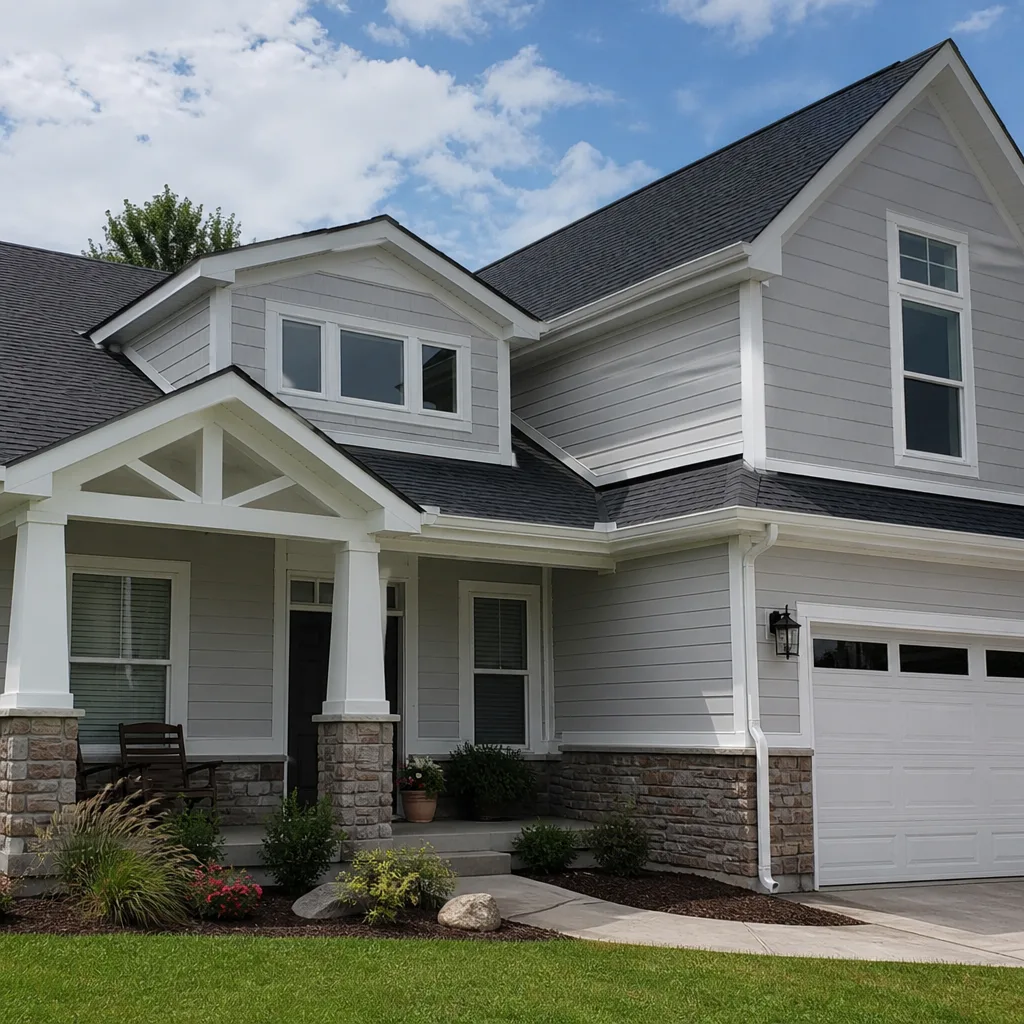 Storm response
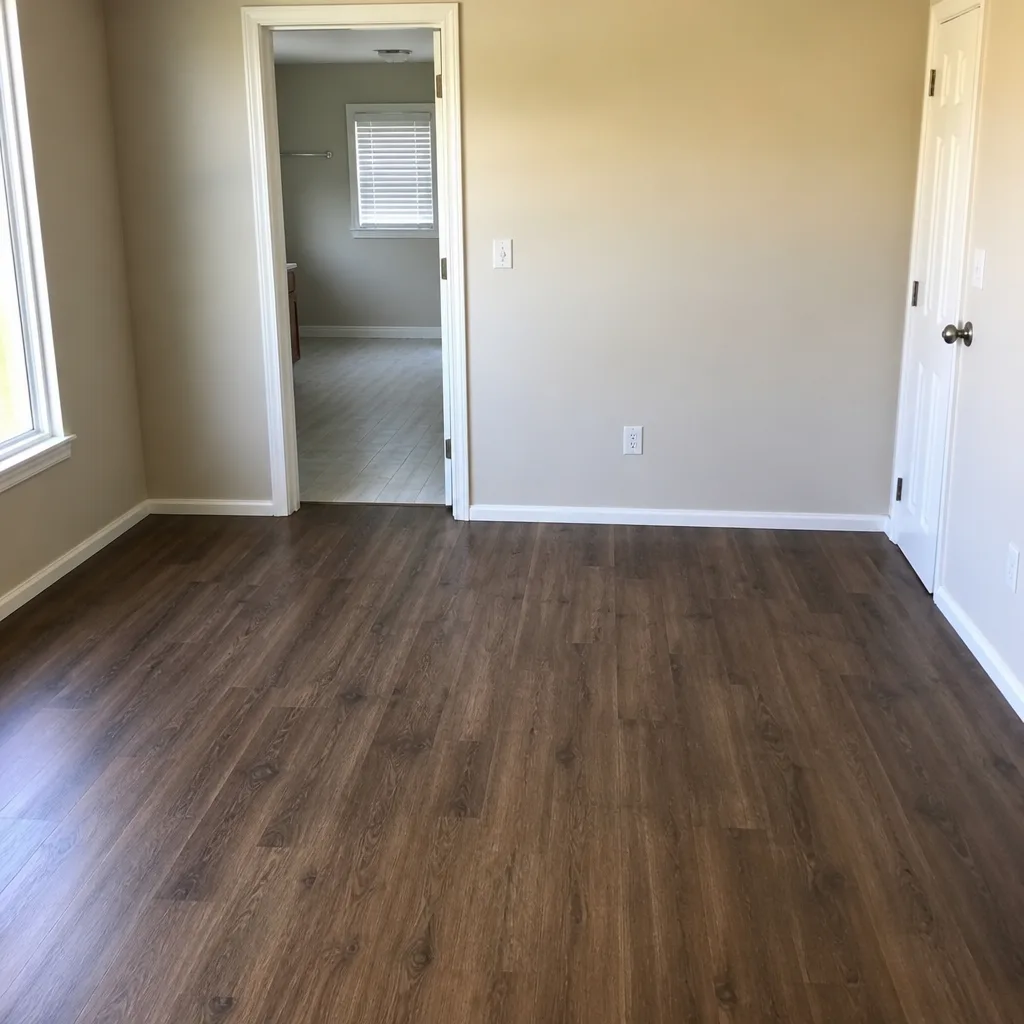 Sewage cleanup
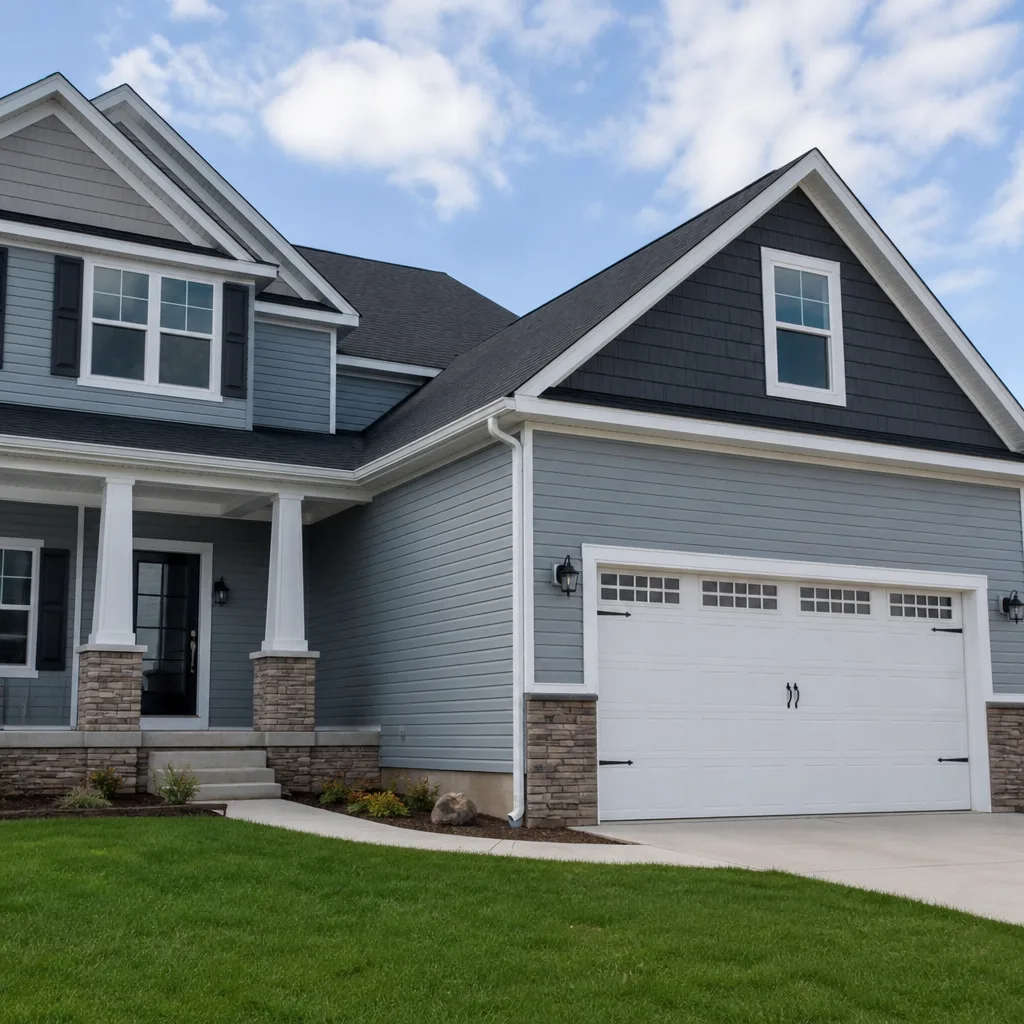 Reconstruction
Free visual inspection and a written scope of work before any mitigation begins - photos, moisture readings, and drying logs go in your claim file
The scope we write is the scope we bill. Anything new gets shown to you, in writing, before we touch it.
Get your free estimateFast, Reliable Water Damage Restoration Across Grand Terrace
A burst pipe or storm-driven leak in Grand Terrace requires immediate extraction and structural drying before water wicks into original mid-century framing. A typical water mitigation job in Grand Terrace runs $2,800 to $7,500 for extraction, drying, and antimicrobial treatment, with flooded basements on hillside lots often landing in the $4,000 to $9,000 range once slope drainage and retaining wall issues are factored in. Call (833) 589-7005 for a free assessment from our IICRC-certified team. We know exactly how water behaves on these canyon-edge lots, and we respond to Grand Terrace every day.
Why OC Restoration Co Is Grand Terrace’s Preferred Water Damage Restoration Company
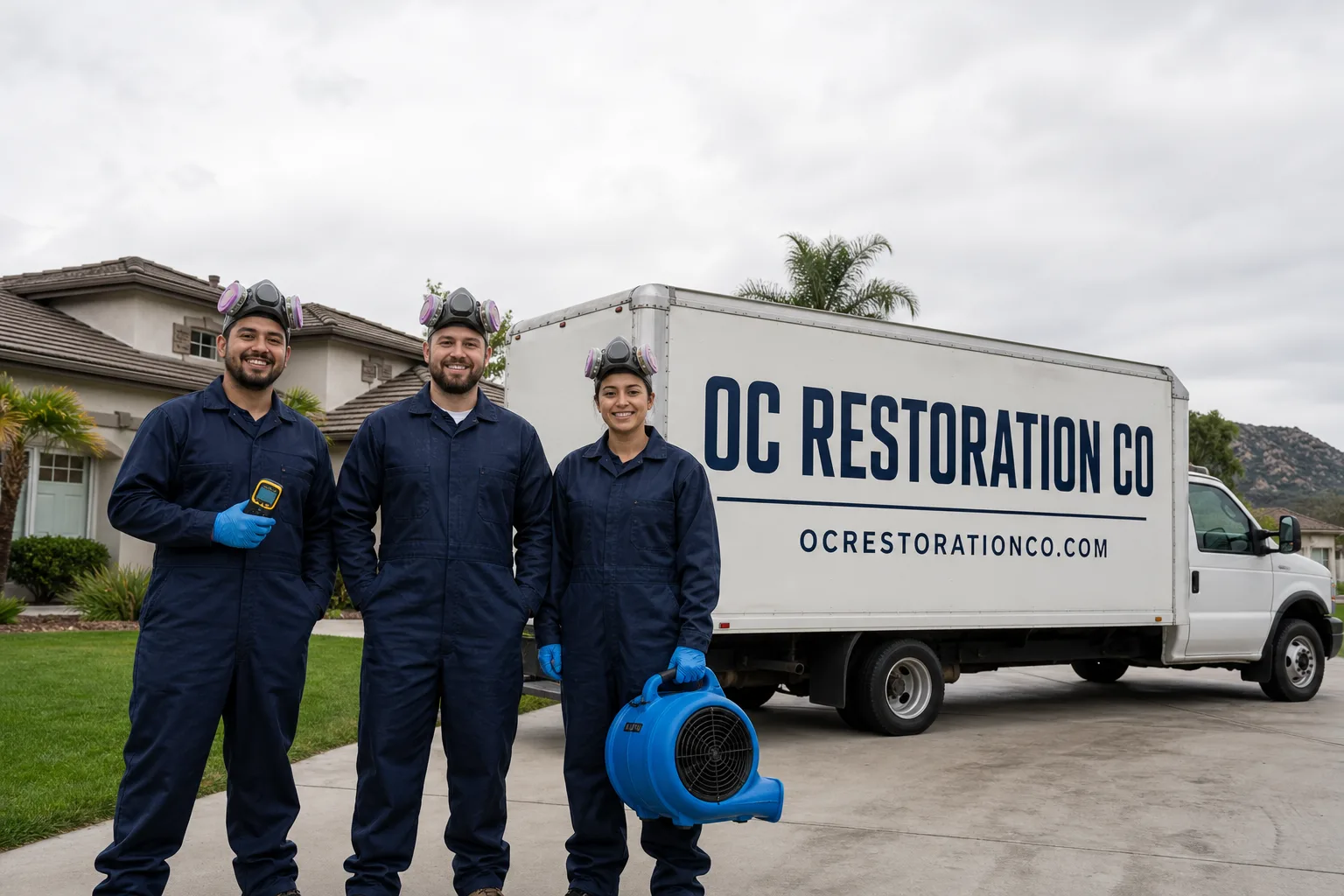
Grand Terrace homeowners call us because we understand how water moves through hillside properties bordering the bluff, the I-215 corridor, and the neighborhoods around Barton Road. Allen Burkhart has built this company around documented, protocol-driven restoration rather than quick extraction and a hasty exit. Our technicians arrive with Dri-Eaz and Phoenix drying systems calibrated for the dense, slower-drying framing common in 1950s-to-1980s construction. We also understand the insurance side of these losses, and we coordinate with adjusters using photo documentation and day-by-day drying logs that hold up to scrutiny.
Our customers in Grand Terrace regularly mention two things: how fast we dispatch, and how thoroughly we explain what needs to be removed versus dried. That second point matters here more than in most cities, because hillside runoff intrusions often carry silt and organic debris that change a water loss from a clean category 1 to a category 2 or 3 job. We do not guess. We classify, scope, and dry to IICRC standards, and we write every scope before work begins.
Restoration work we handle
Water Mitigation in Grand Terrace
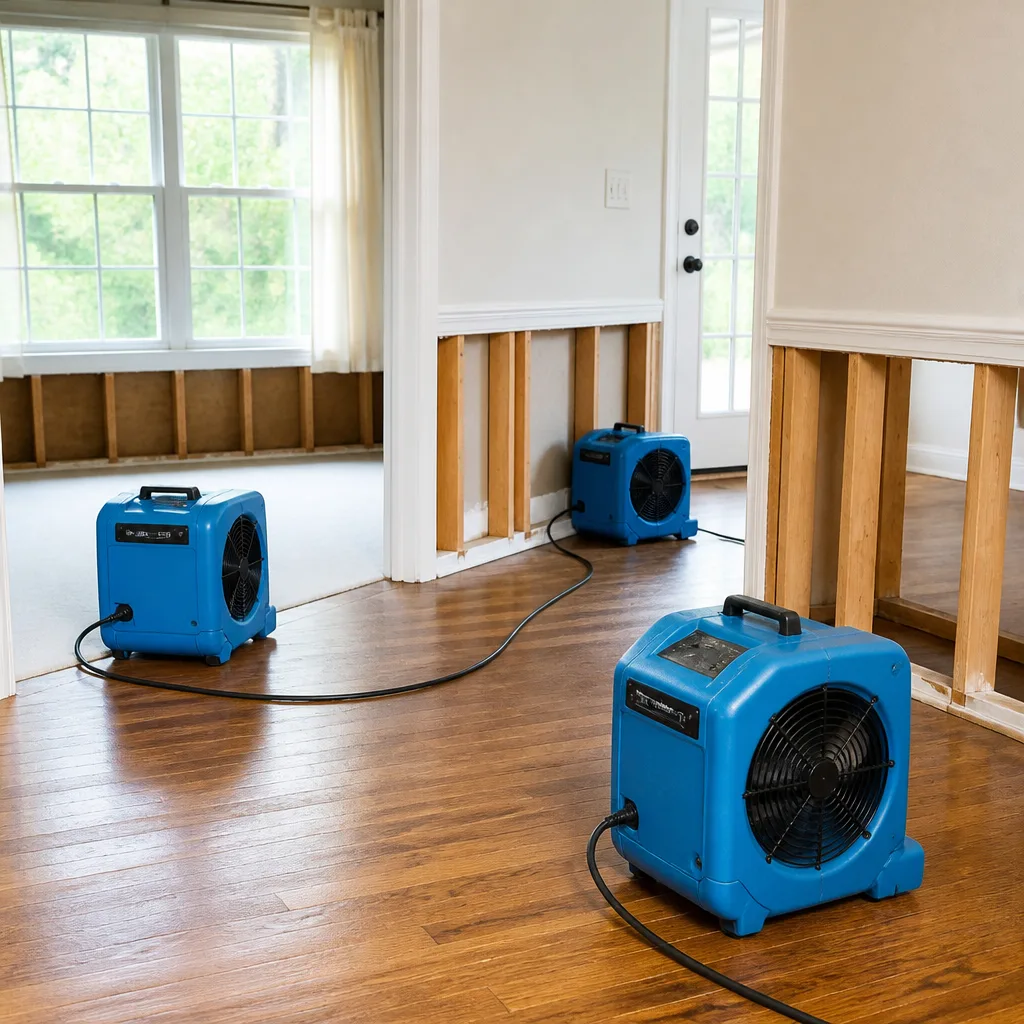
Water Mitigation in Grand Terrace typically involves extracting standing water, containing the affected area, and running structural drying equipment long enough to pull moisture from wall cavities, subfloor, and original framing. On hillside lots near Blue Mountain Drive and the bluff edge, mitigation is rarely just about the room that flooded. The grade above the house is often the real problem, and drying stalls until that uphill source is handled.
Uphill Source First
Before we place a single air mover, we walk the slope and retaining walls above the home. A saturated neighbor’s planter or a cracked swale can keep re-wetting your lower level, pushing muddy water under the slab for days after the rain stops. We address exterior drainage early, because no amount of dehumidification inside wins against active runoff from above.
What Mitigation Costs Here
Expect $2,800 to $5,500 for a standard single-room intrusion in Grand Terrace, including extraction, containment, drying, and antimicrobial treatment. Larger lower-level or multi-room jobs that require Injectidry structural drying inside walls run $5,000 to $7,500. Each job gets a written scope after our initial moisture mapping.
Flooded Basement in Grand Terrace
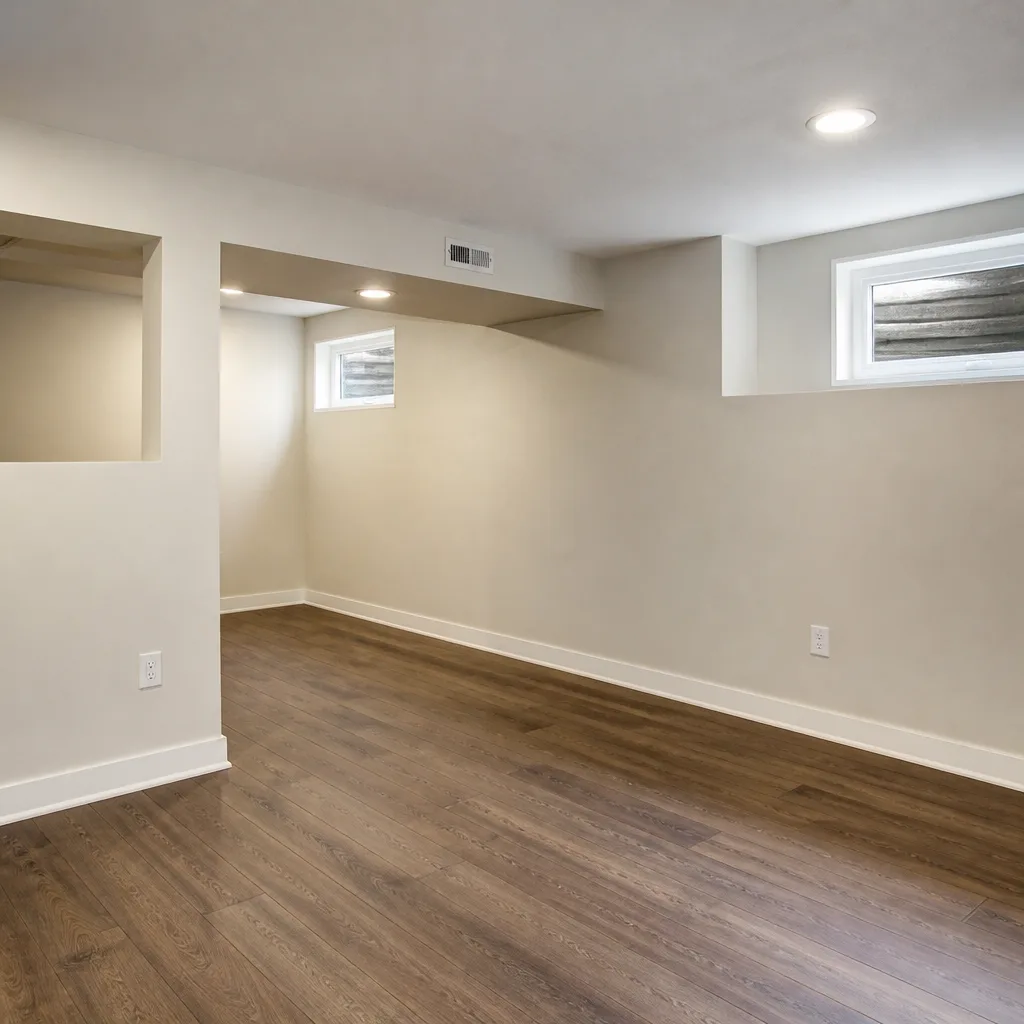
Flooded Basement calls in Grand Terrace usually come after heavy atmospheric-river storms or a burst original supply line, and the water rarely stays clean. Homes built on the lower side of the steeper streets, especially south of Grand Terrace Road, often take runoff from a neighbor’s saturated slope above, and that water carries silt, fertilizer residue, and sometimes sewage constituents. This moves the job from simple extraction into controlled removal.
When Mud Changes the Job
Wind-driven rain that crosses a planter, a lawn, or an unlined drainage swale picks up organic material. Once that enters your basement, the water is classified category 2 or 3, not category 1. For those losses, we remove affected carpet, pad, and wicking drywall rather than attempting to dry them in place, then run containment and HEPA-filtered air scrubbing during structural drying.
Slab and Drainage Reality
Homes on Grand Terrace’s hillside and canyon-edge lots often have original under-slab plumbing. During long dry spells, slow leaks from these old lines travel through the soil and emerge at the lowest point of the basement, often behind finished walls. Our Injectidry systems let us dry inside wall and floor cavities without pulling every sheet of drywall, which saves original mid-century framing wherever it is still solid.
Trusted Brands We Service in Grand Terrace
We carry commercial-grade equipment from Dri-Eaz, Phoenix, XPOWER, and B-Air, along with Injectidry structural drying systems, and we maintain local parts support for Grand Terrace service calls. If you are running an older floor drain, a basement sump, or a first-generation laundry line in a hillside home, we can usually match your existing setup without replacing more than necessary. Our team stocks the consumables needed for rapid setup on 92313 job sites, which means one trip to mobilize and start extraction rather than two or three.
See the difference
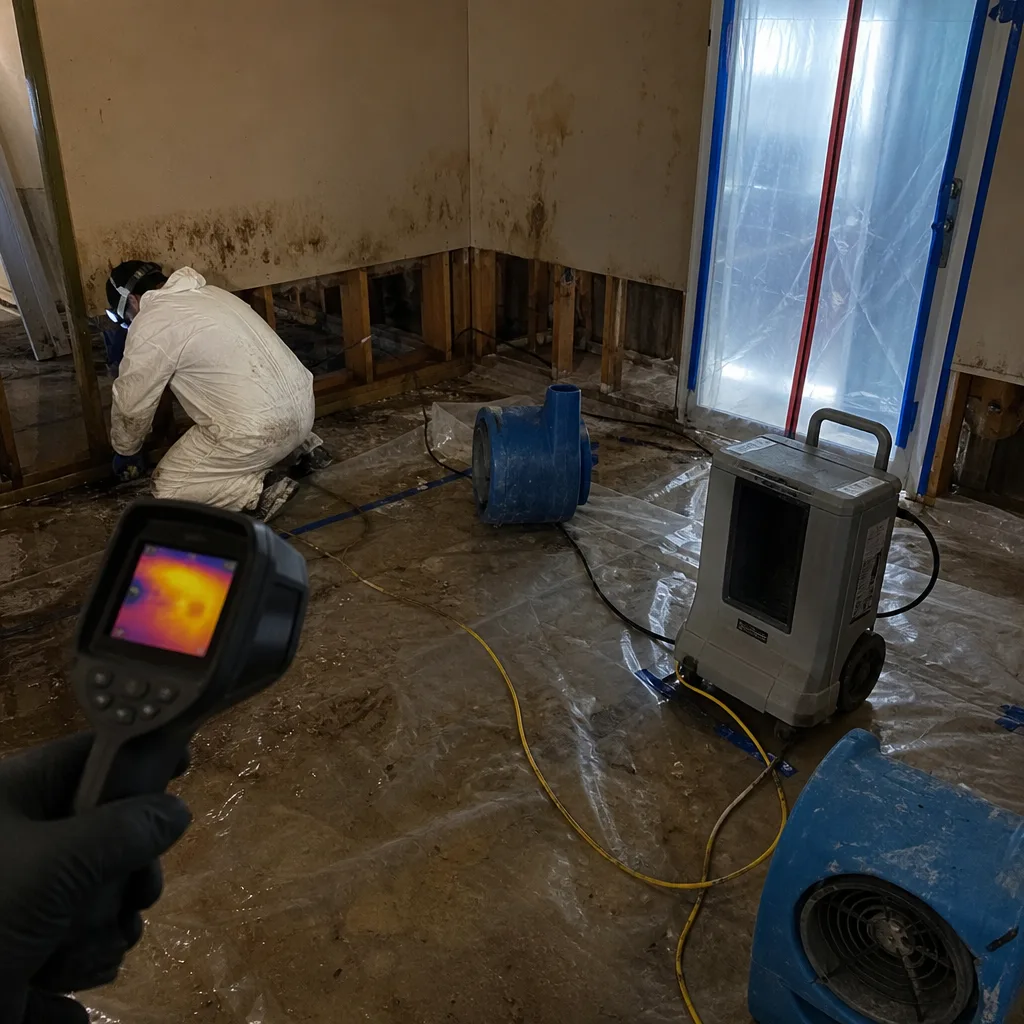 Before
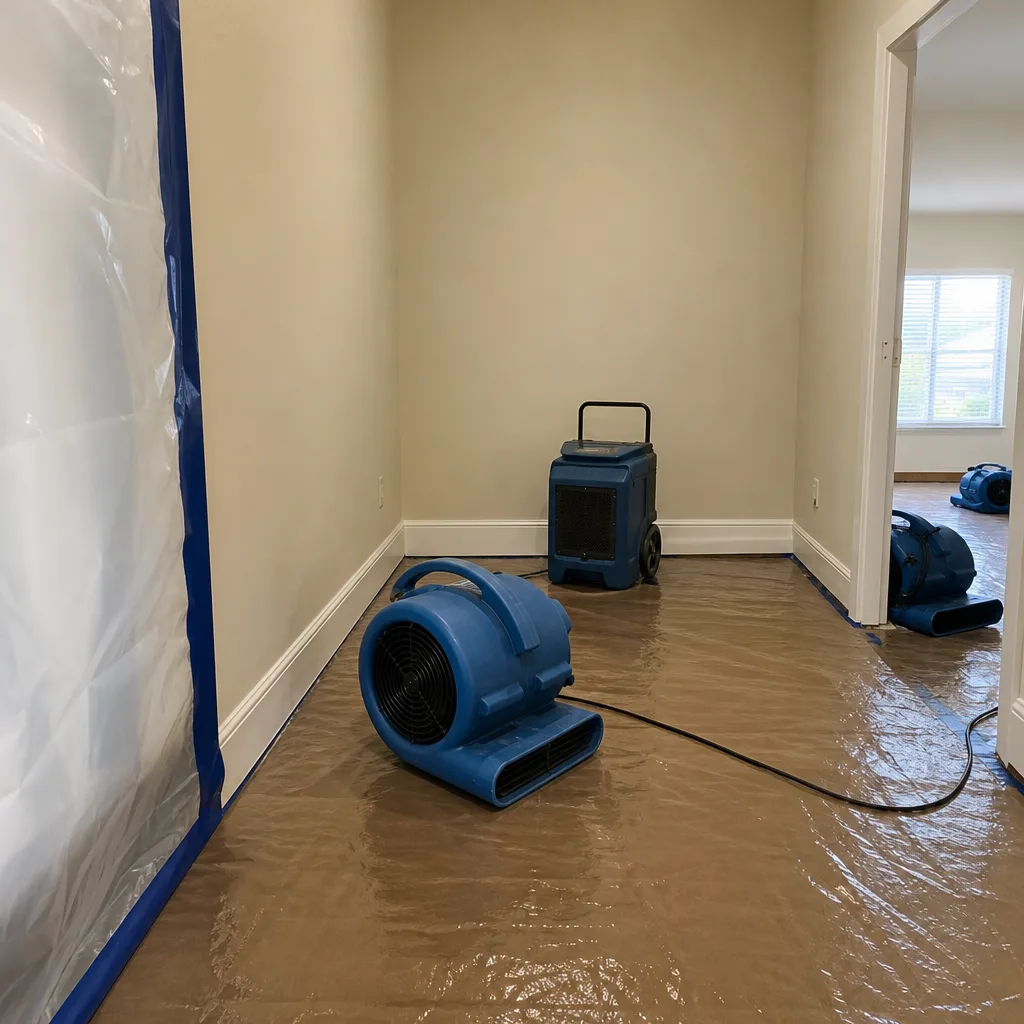 After
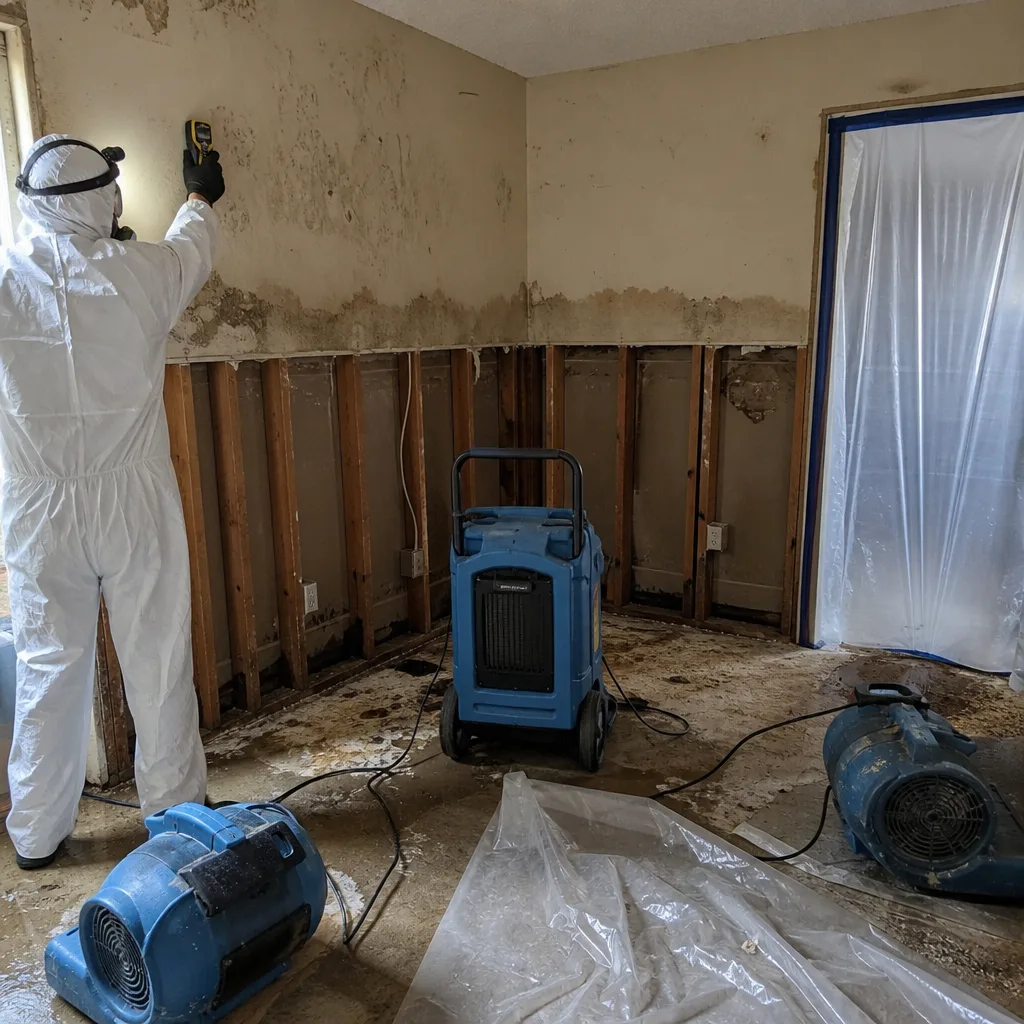 Before
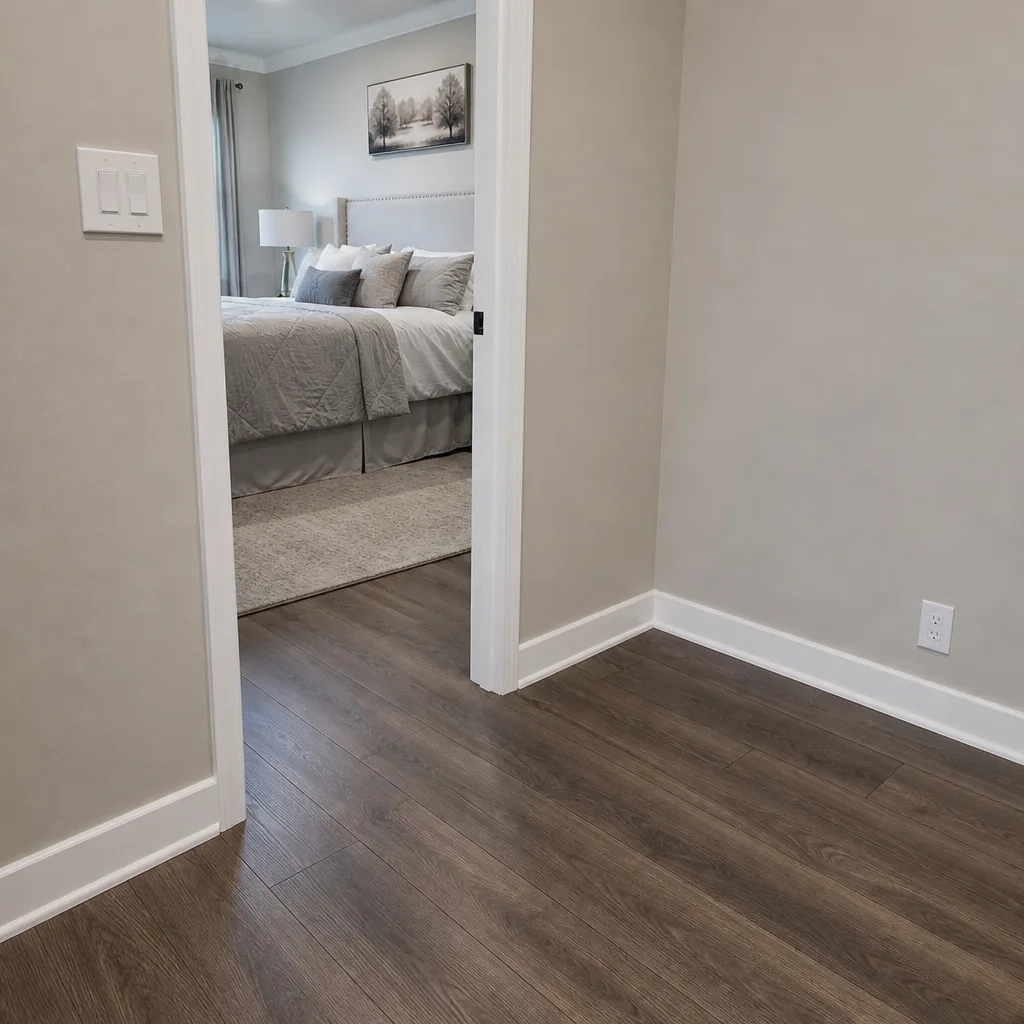 After
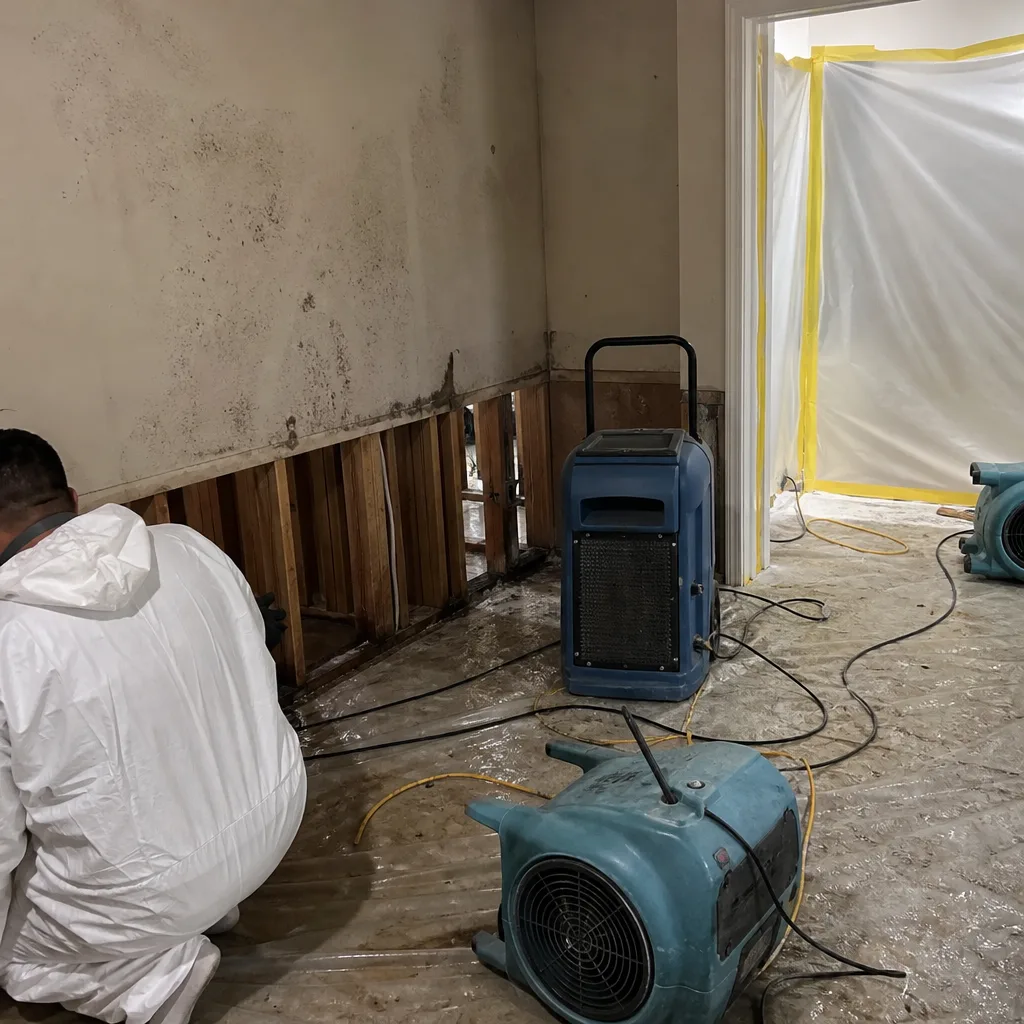 Before
 After
Common Water Damage Restoration Problems We See in Grand Terrace Homes
- Uphill runoff re-wetting lower levels. A home carved into the canyon side below a neighbor’s lot often floods at the low end after every heavy rain. We check the grade, swales, and retaining walls above your home before we focus on the interior.
- Slow leaks from original plumbing. Mid-century copper supply lines and cast-iron drains on Grand Terrace hillsides corrode slowly during the long dry season. The first real sign is often a damp baseboard or musty smell weeks before the next atmospheric-river storm.
- Mud and debris carried in by wind-driven rain. Santa Ana-driven rain across exposed bluff slopes pushes silt, leaves, and soil through door thresholds and existing foundation cracks. This turns a small leak into a category 2 or 3 mitigation job with strict removal protocols.
- Roof and flashing failures on older hilltop homes. Many original composition roofs and edge flashings on 1970s and early-80s homes fail under wind loads from the canyon edge. Water follows framing and shows up far from the actual leak, in ceilings and wall corners.
Pricing for Water Damage Restoration in Grand Terrace, CA
Water extraction only in a single room typically runs $800 to $1,500 in Grand Terrace. Full mitigation with structural drying, containment, and antimicrobial treatment runs $2,800 to $7,500 depending on square footage and classification. A flooded basement with category 2 or 3 water and slab drainage work generally runs $4,000 to $9,000. If we have to open and dry wall or floor cavities with Injectidry systems, expect the higher end of these ranges. The size of the intrusion, its classification, and whether exterior drainage corrections are required drive the final cost. Call (833) 589-7005 for a free estimate, and we will provide a written scope before any work begins.
We Also Serve Cities Near Grand Terrace
Our technicians respond daily to water damage in Grand Terrace and the surrounding communities, including Highgrove, Colton, Loma Linda, and Rubidoux. If you own a hillside or canyon-edge property in any of these cities, our team brings the same equipment, documentation standards, and IICRC-certified approach to every job.
Serving Grand Terrace, CA — Our Local Coverage Area
We’re based in the Grand Terrace area and know this community well. Use the map below to see our service coverage — if you’re nearby, we can almost certainly help.
FAQs About Water Damage Restoration in Grand Terrace
Because many Grand Terrace lots climb toward the bluff, water running off a saturated uphill yard, planter, or retaining wall flows downhill and enters the lower level of the home below. Our moisture mapping starts at the grade above your house, not inside the flooded room, because if the uphill source is still draining, interior drying will stall no matter how many dehumidifiers we run. Call us at (833) 589-7005 and we will check the slope first.
Yes. Long dry spells bake the soil and allow small plumbing leaks to go unnoticed for weeks or months, so by the time water shows up at the baseboard, the framing behind it may already be saturated and the water may be category 2 or 3. We scope these losses as long-standing intrusions with deeper drying targets, not as fresh single-event water. The dry soil also means heavy rain later runs off the surface fast instead of absorbing, which is why hillside runoff damage in Grand Terrace appears so quickly.
Mold can begin in 48 to 72 hours on wet drywall, carpet pad, and organic debris carried in by runoff. In Grand Terrace’s warm inland climate, that window can compress, especially inside wall cavities that stay warm and dark. For any storm-driven or basement intrusion, we recommend extraction and drying begin on day one, and we always include antimicrobial treatment on category 2 and 3 losses. Contact us at (833) 589-7005 for immediate response.
Classification, material type, and saturation depth decide removal versus drying. Clean category 1 water on solid hardwood can sometimes be dried in place with our Dri-Eaz and Injectidry systems. Category 2 or 3 water that carried mud, soil, or sewage through a Grand Terrace hillside basement means carpet, pad, and wicking drywall get removed rather than dried. Original mid-century framing that is still structurally sound is almost always dried in place, which protects more of your original hillside home. Our written scope shows you exactly what gets removed and why before we cut anything.
Photo documentation before and during every stage, day-by-day drying logs with temperature and humidity readings, moisture content measurements at each structural material, classification of the water, the mapping of exterior grade and drainage above the home, and a final clearance summary. This documentation is shared with you and, with your approval, directly with your adjuster. For Grand Terrace hillside properties, we also note the condition of retaining walls and uphill drainage in the report because those factors affect whether the loss is covered and how the repair is scoped.
If water is where it should not be in your Grand Terrace home, call (833) 589-7005 now. We respond throughout 92313 with certified technicians, commercial-grade drying equipment, and a straight answer on what needs to happen next.
Written by Allen Burkhart, Owner at OC Restoration Co, serving Grand Terrace and the Inland Empire since 2009.