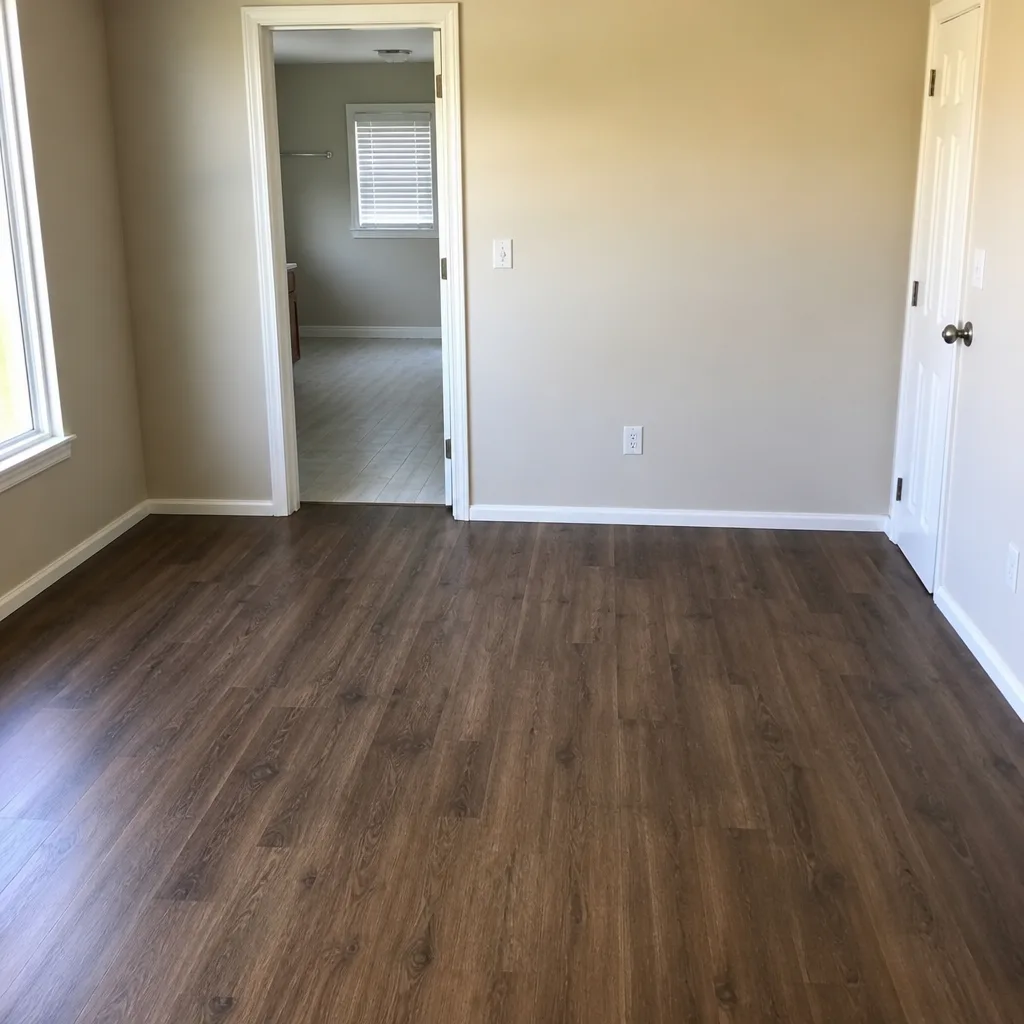
 Sewage cleanup
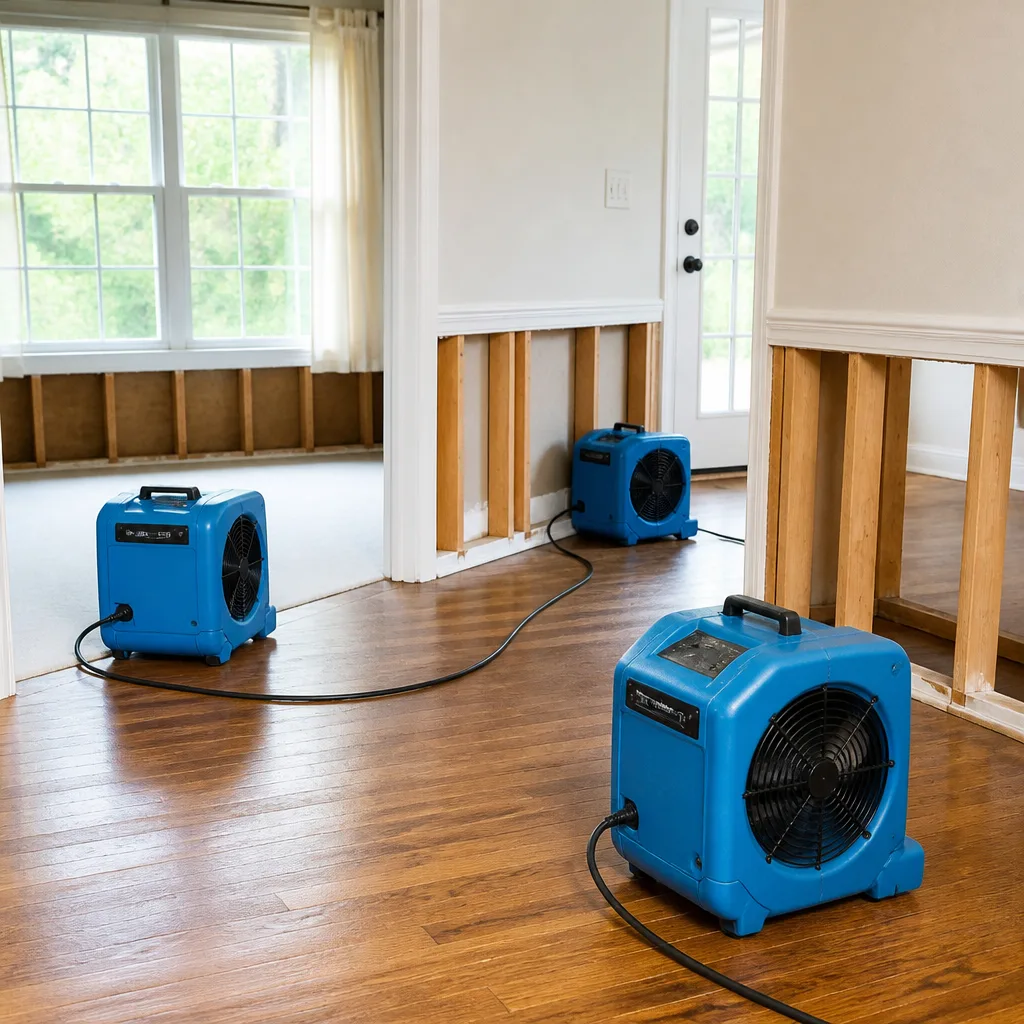 Water damage drying
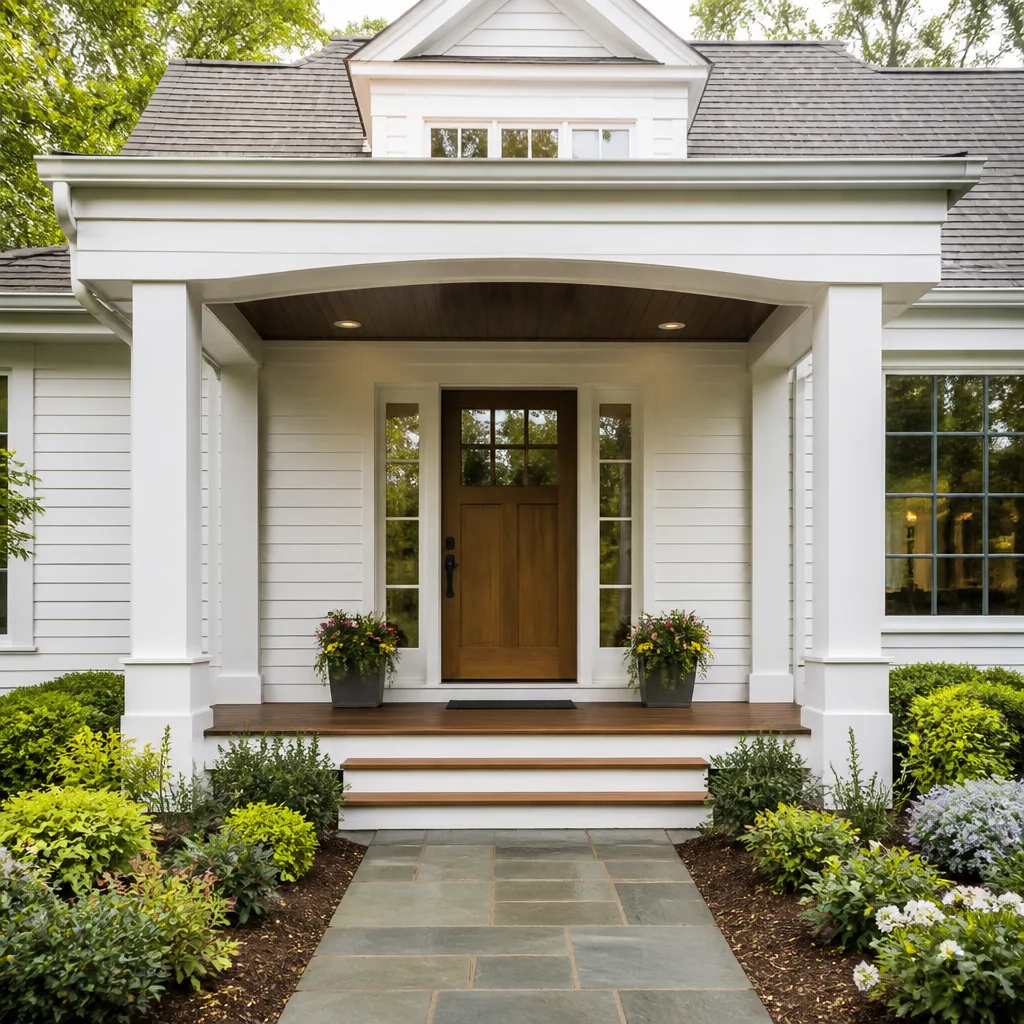 Fire & smoke cleanup
 Mold remediation
 Storm response
 Reconstruction
Free visual inspection and a written scope of work before any mitigation begins - photos, moisture readings, and drying logs go in your claim file
The scope we write is the scope we bill. Anything new gets shown to you, in writing, before we touch it.
Get your free estimateRestoration work we handle
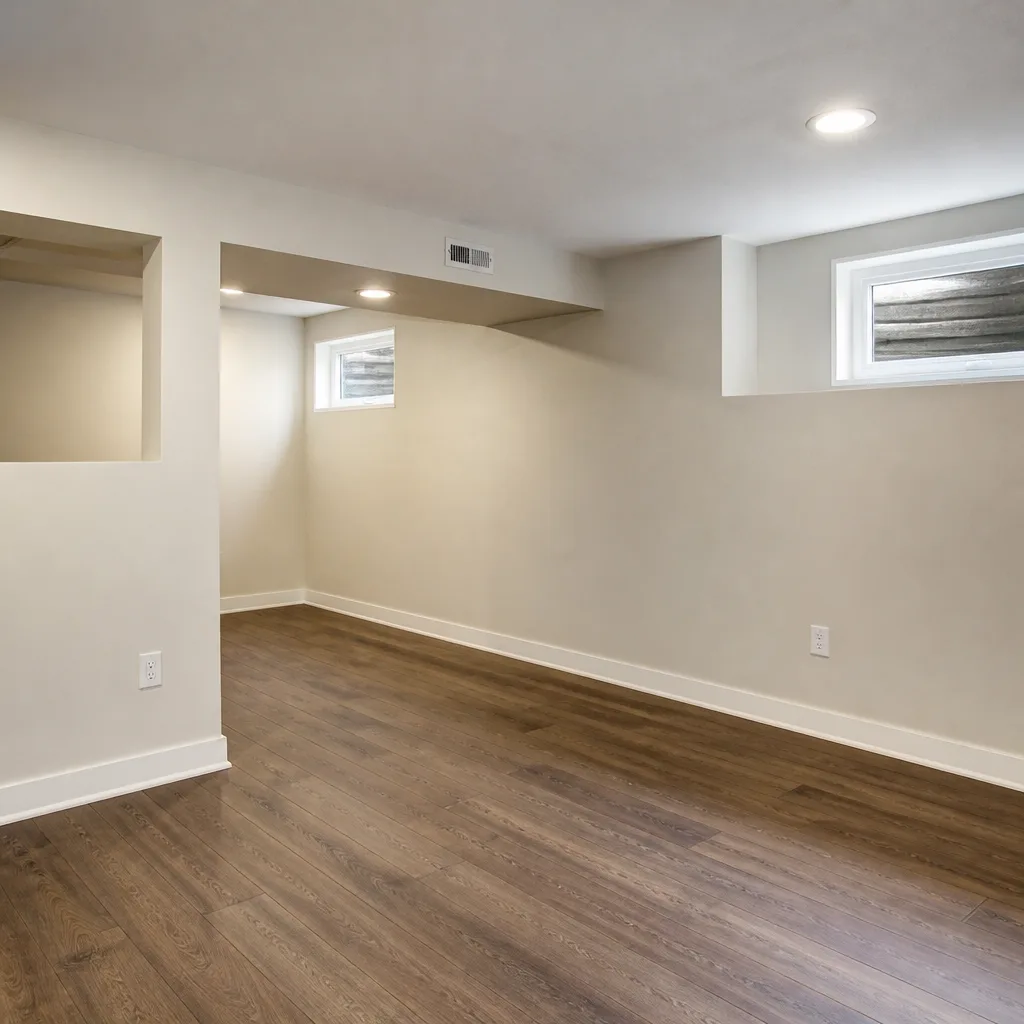
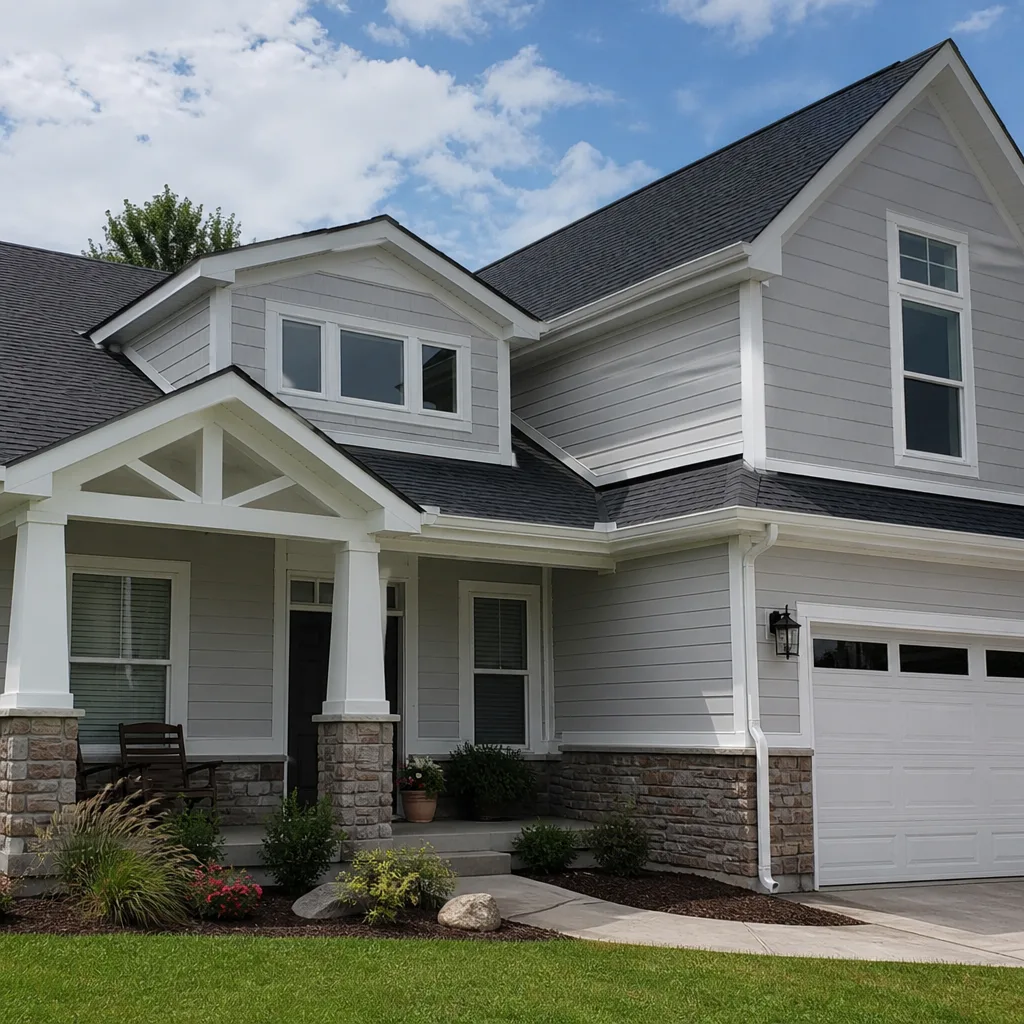
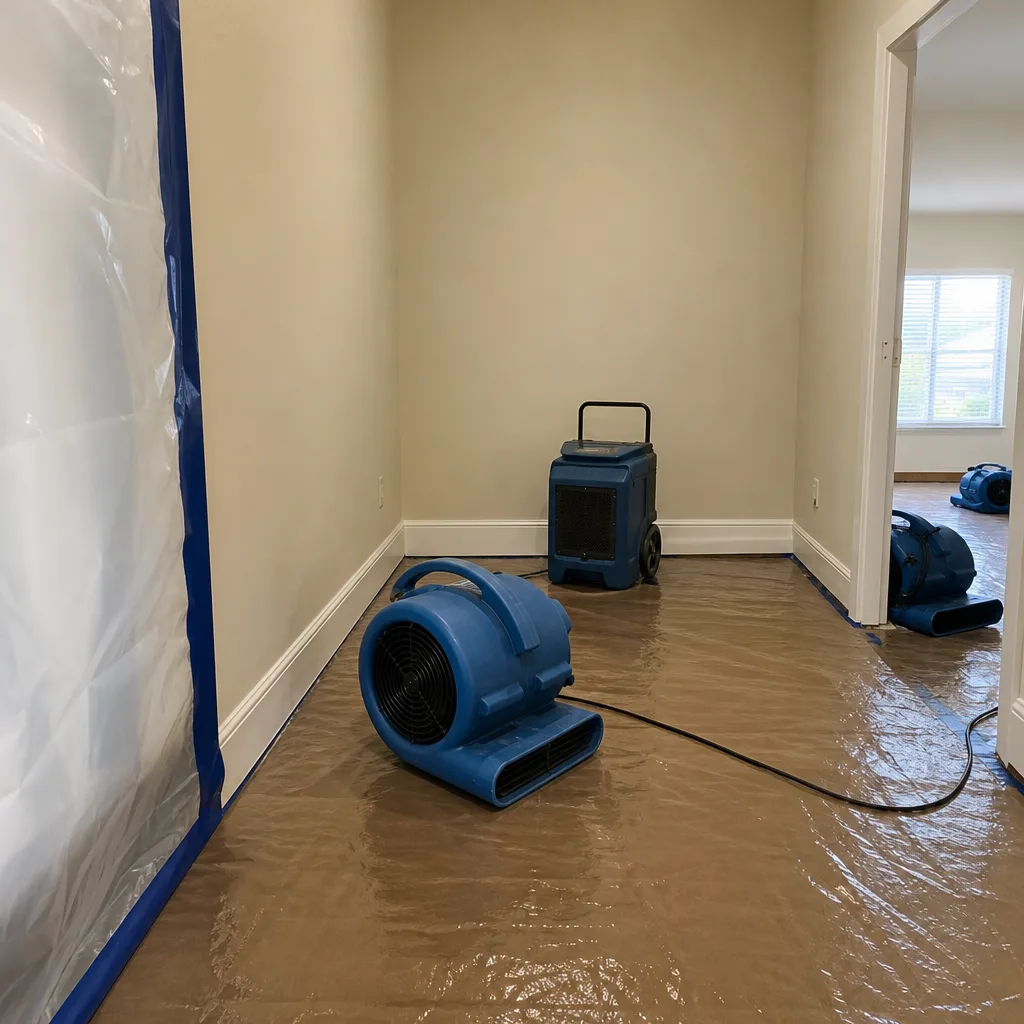
See the difference
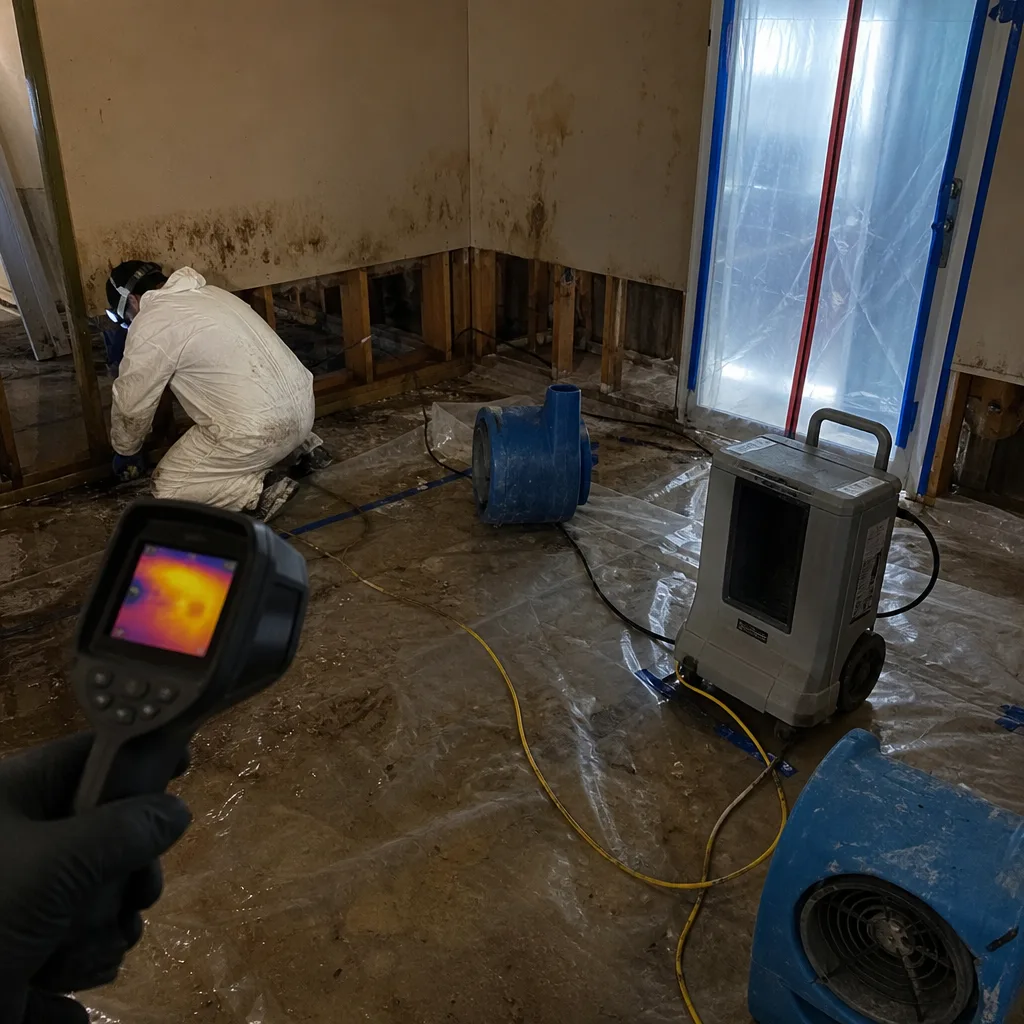 Before
 After
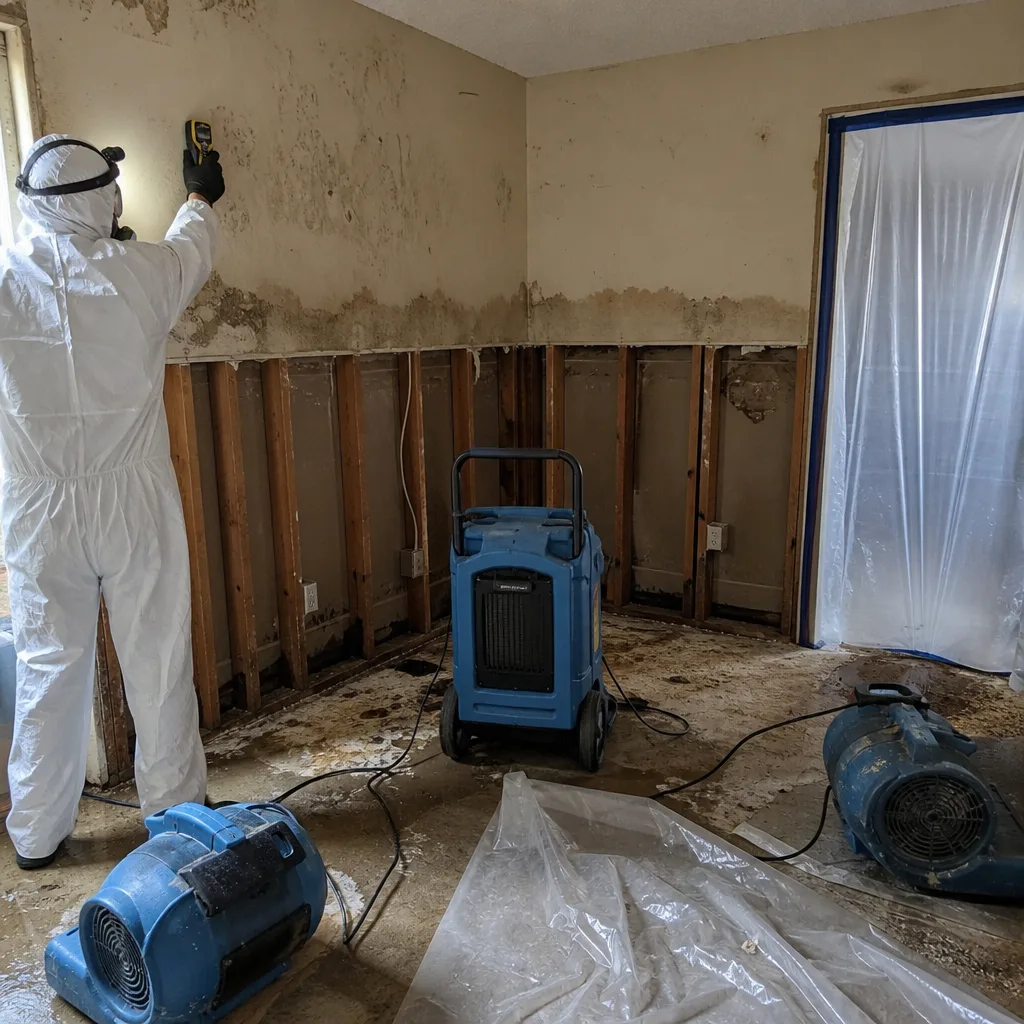 Before
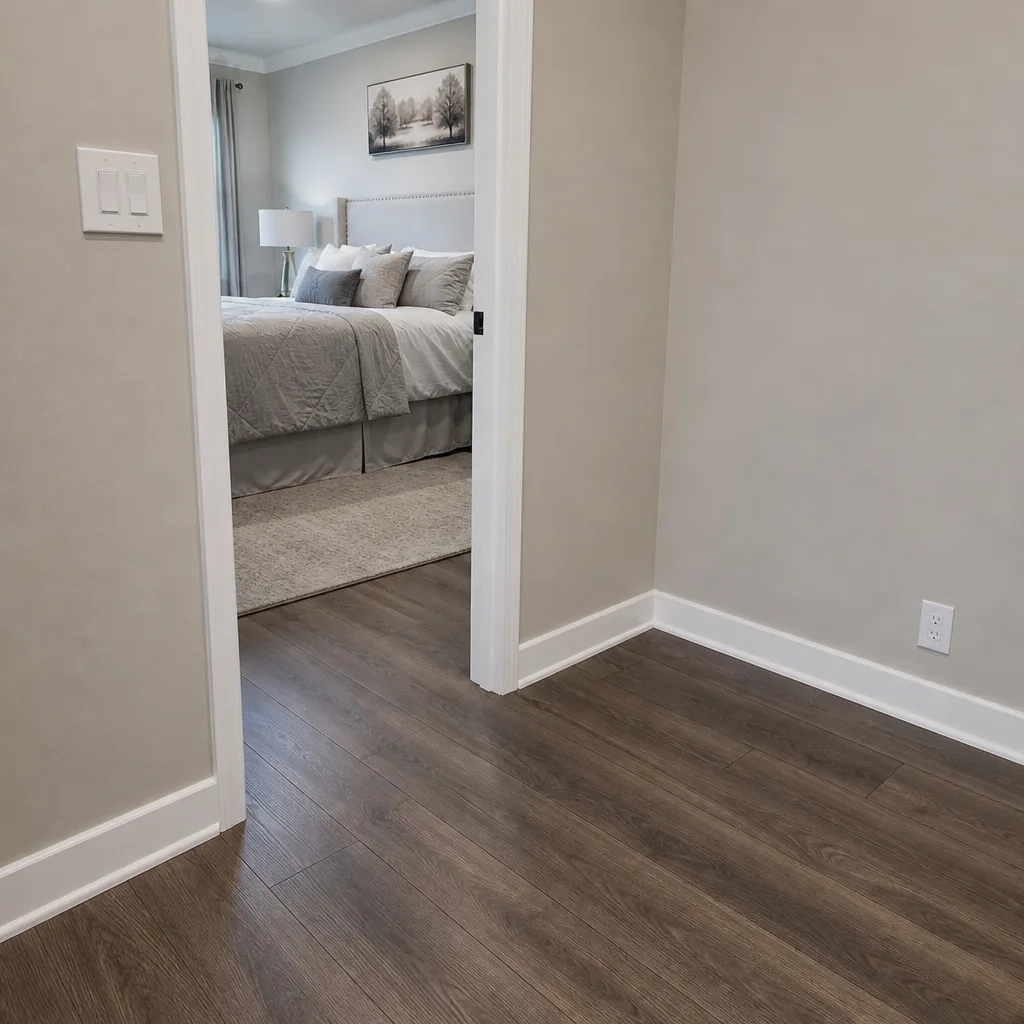 After
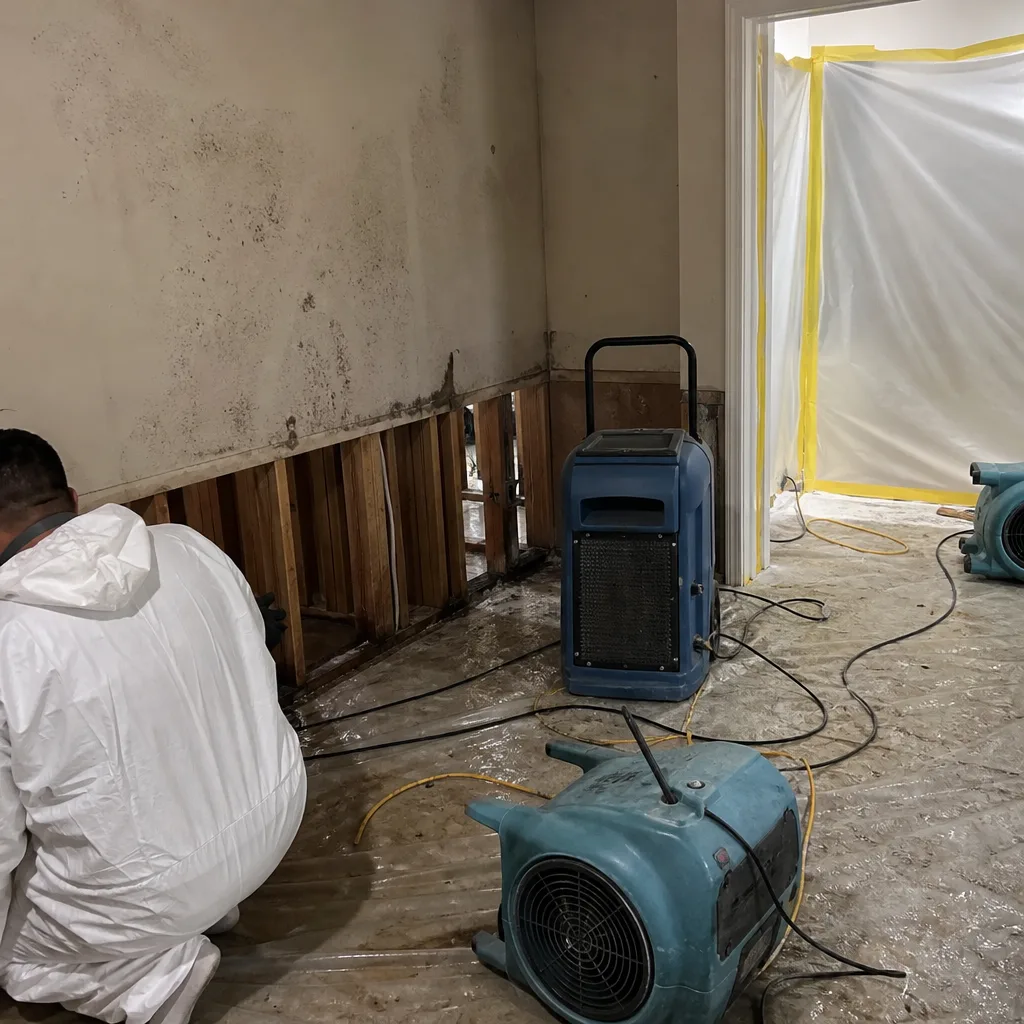 Before
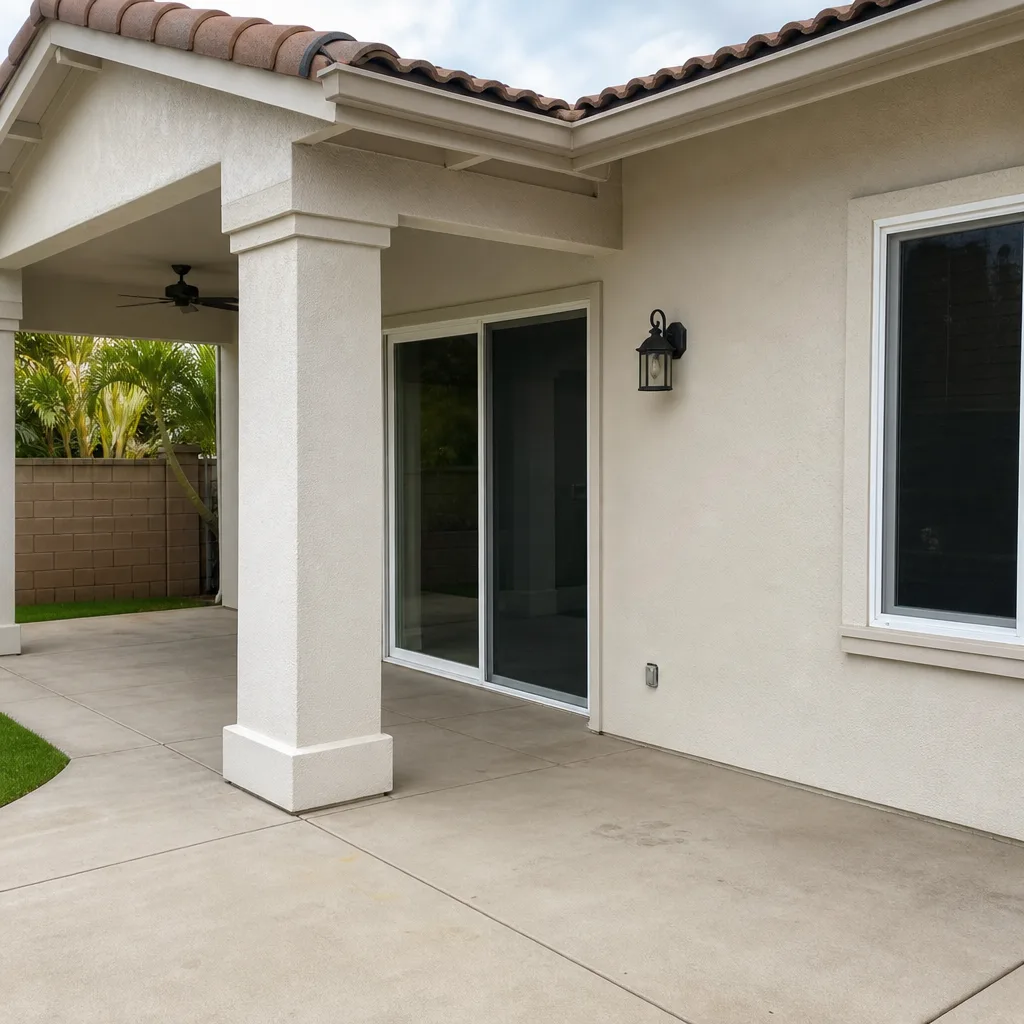 After
How Much Does Sewage Cleanup Cost in Corona?
Sewage cleanup in Corona typically costs $1,800 to $7,500, with most single-bathroom backups and small crawlspace spills landing between $2,400 and $4,200. A contained toilet overflow that stays on a tile floor can run as low as $950 to $1,600, while a main-line backup that soaks carpet, drywall, and a cabinet run can push past $9,000 to $12,000 once contaminated materials are removed and the structure is dried to protocol. The biggest variable is how far the Category 3 (black water) traveled and how much porous material it touched.
We’re OC Restoration Co, and we handle sewage backups in Corona as IICRC-certified work, not as a mop-and-vacuum job. Sewage carries bacteria, viruses, and parasites, and the standard for cleanup is defined by the IICRC S500 (water damage) and S520 (mold) references. That means extraction with commercial equipment, removal of anything porous the water reached, disinfection, and drying the structure before it turns into a mold claim.
Key Takeaways
- Most Corona sewage jobs fall in the $1,800 to $7,500 range in 2026.
- Category 3 water (sewage) means porous materials like carpet, pad, and drywall usually get removed, not dried in place.
- The scope rarely stops at the spill because Corona’s older housing stock and clay sewer laterals cause backups that reach further than they look.
- Drying and disinfection are where cheap quotes cut corners, and where mold problems come from three weeks later.
- Free estimates let you see the real scope before you commit; call (833) 589-7005 to book one.
Sewage Cleanup Cost Breakdown (2026)
Here’s how the line items stack up for a Corona sewage cleanup in 2026. These are real ranges for the market, not national averages pulled from a directory. Actual numbers depend on scope, which we document during the estimate.
| Line Item | Typical Range | What It Covers |
|---|---|---|
| Emergency extraction & initial assessment | $250 to $650 | Truck-mount or portable extraction of standing sewage, moisture mapping, and a written scope. |
| Category 3 disinfection | $150 to $400 per affected room | Hospital-grade antimicrobial treatment of all contact surfaces after extraction. |
| Contaminated material removal & disposal | $400 to $1,900 | Carpet, pad, baseboard, drywall below the flood line, insulation, and cabinet components; includes hauling and legal disposal. |
| Structural drying | $500 to $1,800 | Air movers and dehumidifiers (Dri-Eaz, Phoenix, XPOWER) run for 3 to 5 days, with daily monitoring. |
| Cavity drying (Injectidry) | $300 to $900 | Targeted drying inside wall and floor assemblies where sewage wicked up the studs. |
| Odor treatment & final sanitization | $200 to $600 | Hydroxyl or ozone treatment, plus a final surface wipe-down and verification. |
| Minor build-back (baseboard, drywall patch) | $400 to $2,400 | Reconstruction of what had to be removed; larger repairs are quoted separately. |
What moves a Corona quote up or down: how much traveled, how porous the surface was, how much has to come out, and how quickly you called. A tile bathroom with a quick cleanup is a different job than a first-floor laundry room with carpet and drywall wicking sewage into the wall cavity. On the high end, a sewer line backup into a finished basement can mean a full-week project with a dumpster and drying documentation for insurance. On the low end, a single toilet overflow contained to a half-bath often finishes inside a day.
What Affects Sewage Cleanup Pricing in Corona
Corona isn’t a uniform housing market, and the price follows the house. Six factors do most of the work:
- House age and plumbing. Much of central Corona and the older neighborhoods around the Grand Boulevard corridor were built in the 1970s through the 1990s, with homes from the 1950s in pockets. If you’re in an older single-story in Corona, you’ll often find cast iron or early ABS drains that have root intrusion. Clay laterals are common here, and tree roots in them are the most frequent cause of the main-line backups we see.
- Where the sewage went. A backup that stays on slab tile is cheap to clean. Once it reaches a wood subfloor, carpet, pad, or a wall cavity, the cost climbs fast because porous material absorbs contaminated water and can’t be cleaned to a Category 3 standard.
- Category of water. Clean-water pipe leaks are Category 1 and can often be dried. Sewage is Category 3, the most contaminated class, and requires removal and disinfection. A Category 1 leak that sat for two days in a hot Corona summer can be reclassified to Category 3, and we price the correction accordingly.
- Time to call. Sewage sitting in a house at 95°F in July in Corona grows bacteria quickly and starts to produce mold inside wall cavities within 24 to 48 hours. A fast response often means less demolition.
- Slab vs. crawlspace construction. Corona has both. A slab foundation means water spreads laterally across the floor. A crawlspace means the sewage wicks into the underfloor framing and insulation, which adds scope and cost.
- Access and haul-out. Second-floor bathrooms or tight garage-adjacent laundry rooms add labor. Multi-story townhomes in South Corona can require extra hose runs, which we factor into the estimate.
We price after an inspection, not from a phone description. That’s not a marketing line; it’s how we avoid the “surprise extra” phone call halfway through the job. To learn more about the process, see our Sewage Cleanup in Corona page.
How to Save on Sewage Cleanup
There are real ways to keep the bill down, and none of them involve skipping disinfection.
- Call as soon as you see the backup. The single biggest cost driver is how far the sewage spreads. If you catch it within a few hours and turn off the water supply or stop using fixtures, drying scope shrinks fast.
- Stop using the affected fixtures immediately. Flushing or running a sink after a backup pushes more Category 3 water into the same area. Don’t do it.
- Move electronics, textiles, and personal items out before we arrive, if it’s safe. Items that haven’t been touched can often be saved with off-site cleaning. Items soaked in sewage won’t be.
- Document everything yourself with photos and video. This helps your insurance adjuster and helps us match the claim scope to the actual damage. Insurance usually covers sudden sewage backups only with a rider or endorsement, so check your policy early.
- Ask for one estimate, one contract. We do water, mold, and fire under one roof, which means if the sewage cleanup reveals a mold problem inside the wall cavity, we don’t hand you off to a second contractor with a second overhead. See our home page for the full range.
- Book a free estimate. We don’t charge for the inspection, and you get a written scope before any work starts. Call (833) 589-7005.
Does Homeowners Insurance Cover Sewage Cleanup in Corona?
Usually not under a standard HO-3 or HO-5 policy: sewage backup is almost always excluded unless you bought a water backup endorsement or a service line endorsement. That rider is usually cheap – $50 to $150 a year for $5,000 to $10,000 of coverage – and if you don’t have it, cleanup comes out of pocket. We document our work to insurance standards with moisture readings, photos, and a written scope, so if you do have the endorsement, your adjuster gets a clean file. Call (833) 589-7005 and we can walk through what your policy may cover.
How Long Does Sewage Cleanup Take in Corona?
Most jobs take 3 to 5 days for the full scope: extraction and disinfection in the first day, structural drying over the next 3 to 5 with daily monitoring, and final verification plus minor build-back after that. A contained toilet overflow finishes in one to two days. A sewer line backup into a finished basement runs longer. The drying timeline can’t be rushed; we tell customers that pulling the equipment early to save money is how you end up with a hidden mold problem in three weeks.
Do I Need a Mold Test After Sewage Cleanup?
Often yes, especially if sewage touched a wall cavity, a subfloor, or an area with paper-faced drywall. Mold can colonize wet gypsum board in 24 to 48 hours in Corona’s warm summers. We use Injectidry systems to dry inside cavities rather than tear out the wall on suspicion, and we verify with moisture readings before closing. If a mold remediation scope is needed, we handle it as the same project, which is one of the reasons we keep mold remediation on our service list.
FAQs – Sewage Cleanup Cost
How much does sewage cleanup cost in Corona?
Most sewage cleanups in Corona run $1,800 to $7,500 in 2026, with a typical single-bathroom backup landing near $2,400 to $4,200. Small toilet overflows contained to tile stay closer to $950 to $1,600. Call (833) 589-7005 for an exact quote from a free inspection.
Is it cheaper to repair or replace my contaminated flooring?
Replace, almost always, when sewage is involved. Carpet, pad, and laminate that absorbed Category 3 water can’t be reliably disinfected and are removed as part of the cleanup; that’s why removal shows up as a line item. A tile or sealed concrete floor is the exception – it can usually be disinfected and kept. Call (833) 589-7005 and we can tell you which category your flooring falls into.
Can you come out today for a sewage backup?
Yes, we schedule same-day inspections for active sewage backups and treat them as priority jobs. Sewage sitting for hours creates more damage and bigger scope. Call (833) 589-7005 and we’ll get an assessment on the books.
Does my Corona homeowner’s insurance cover sewage cleanup?
Only if you have a water backup endorsement; without one, most standard policies exclude it. Some policies cover it partially if the backup came from a sudden plumbing failure rather than a gradual line blockage. Call (833) 589-7005 – we can walk through your policy before you commit to an out-of-pocket cost.
How much does the drying portion cost?
Structural drying after sewage removal typically runs $500 to $1,800 depending on square footage and how many rooms were affected. Cavity drying with Injectidry adds $300 to $900. This portion is often where a cheap quote gets trimmed and a mold problem starts, so ask any contractor whether they’ll document daily moisture readings. Call (833) 589-7005 for a line-item estimate.
Why OC Restoration Co Handles Corona Sewage Cleanup
We’re an IICRC-certified restoration company and members of the Restoration Industry Association (RIA) and IFA, which means our technicians work to documented industry standards rather than informal company habits. That matters for sewage cleanup because you want a team that knows which materials are porous and go out, and which can be cleaned to a Category 3 standard and stay. We use Dri-Eaz, Phoenix, XPOWER, and B-Air dryers and extractors, not rental units, and Injectidry systems for cavity drying inside the wall. We also handle mold remediation and fire damage restoration under the same contract, which matters if a sewage backup on a Corona hot weekend turns into a mold problem.
We’re not a general contractor who added restoration to the truck signage. Restoration is what we do, and it’s what we document for adjusters who need a protocol-compliant file.
Start With a Free Estimate
Sewage backups get worse while you wait. Call (833) 589-7005 for a free inspection and a written, line-item estimate for your Corona property. We’ll tell you what actually has to come out, what can be dried, and what your realistic bill will be before any work starts.
Pricing reflects the Corona market as of 2026. OC Restoration Co offers free estimates – call (833) 589-7005.
What Our Customers Say
"They cut the drywall at a clean line and only as far up as was actually wet, rather than gutting the whole room."
— Beatriz Rodriguez"Mold behind the shower wall. Contained the area with plastic and negative air before opening it, which is the part that protects the rest of the house."
— Norma Flores"Supply line let go under the upstairs bathroom at two in the morning. They had a crew here inside ninety minutes, water extracted before dawn, and dehumidifiers running by breakfast. The ceiling below was saved."
— Alejandro Delgado