 Water damage drying
 Fire & smoke cleanup
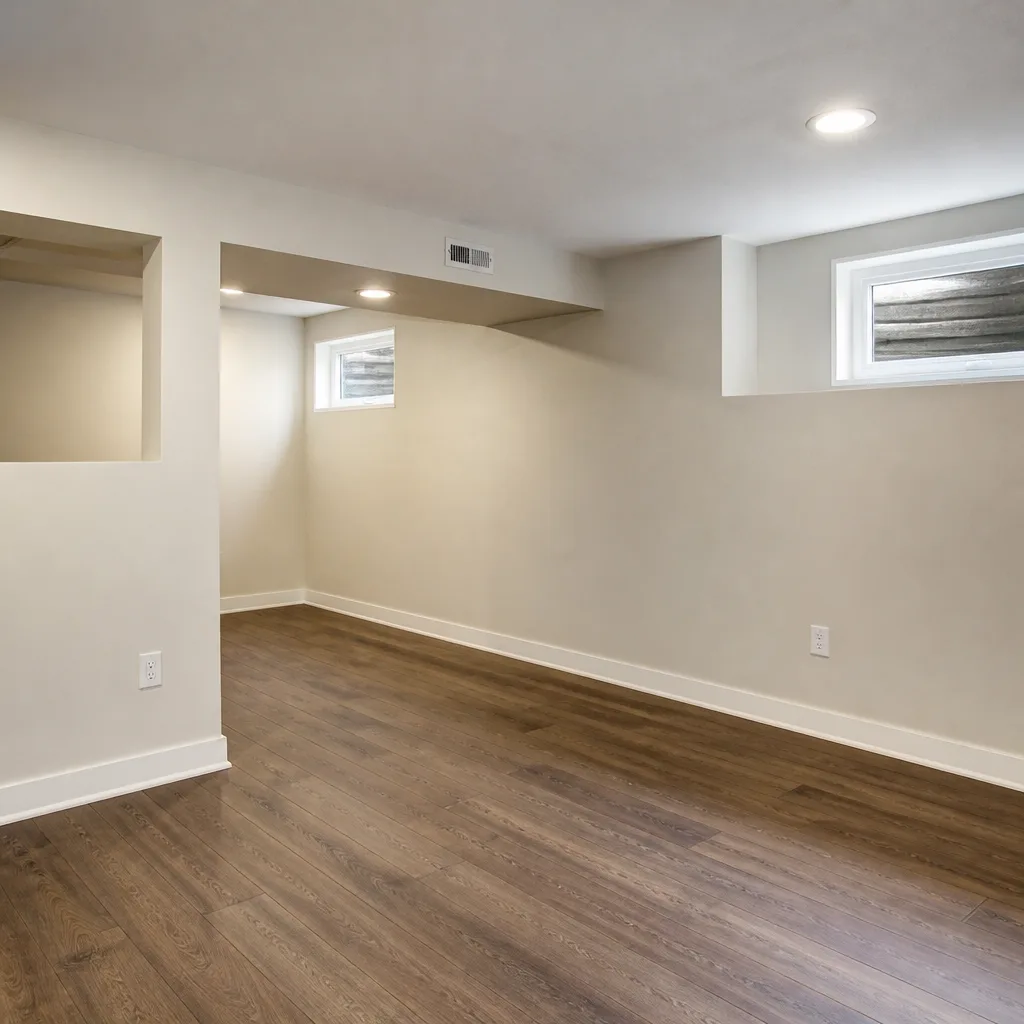 Mold remediation
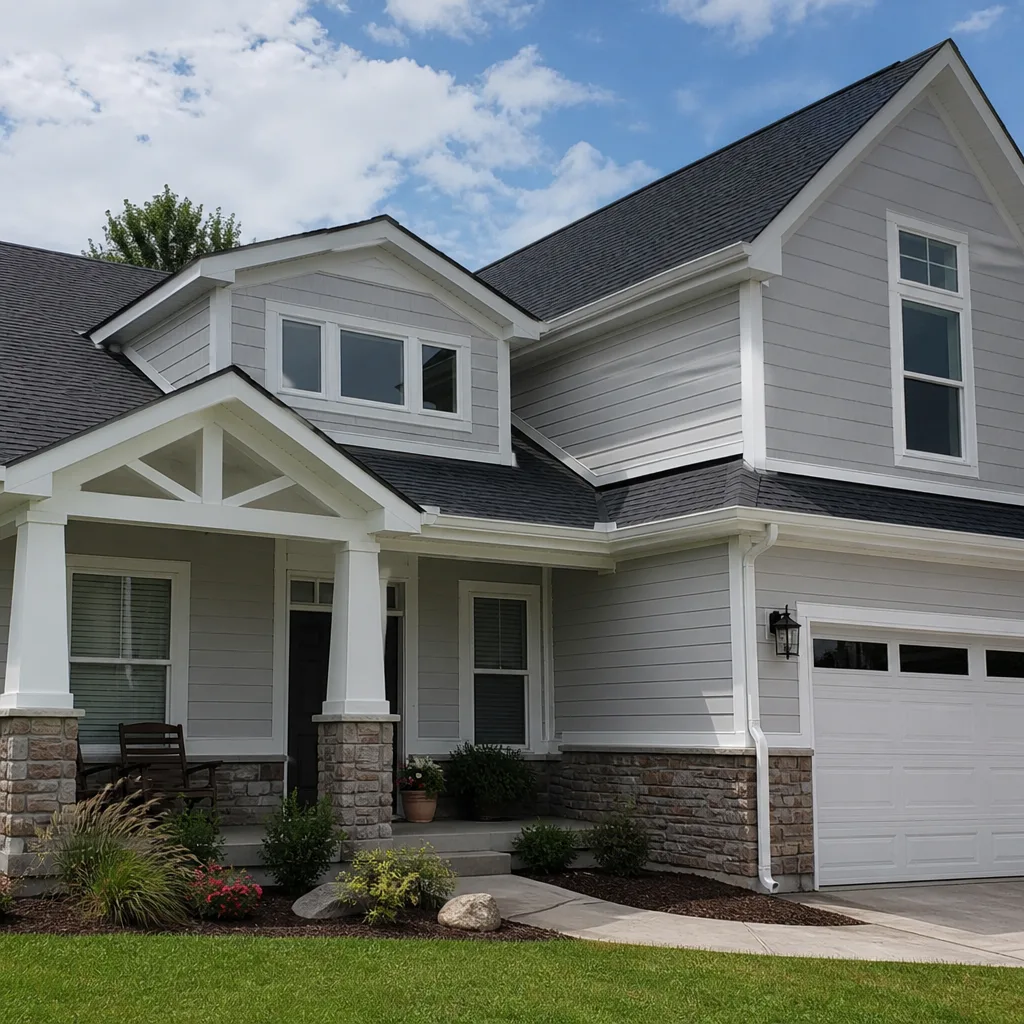 Storm response
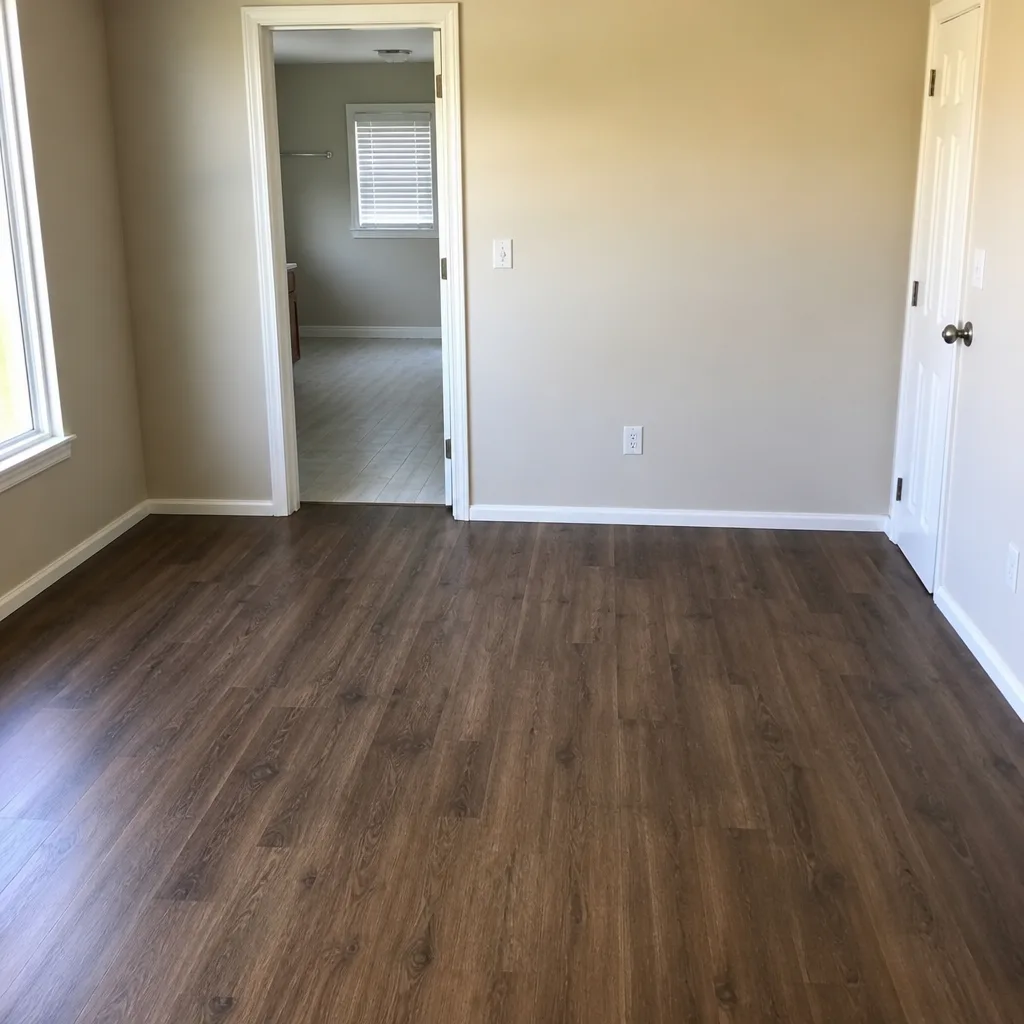 Sewage cleanup
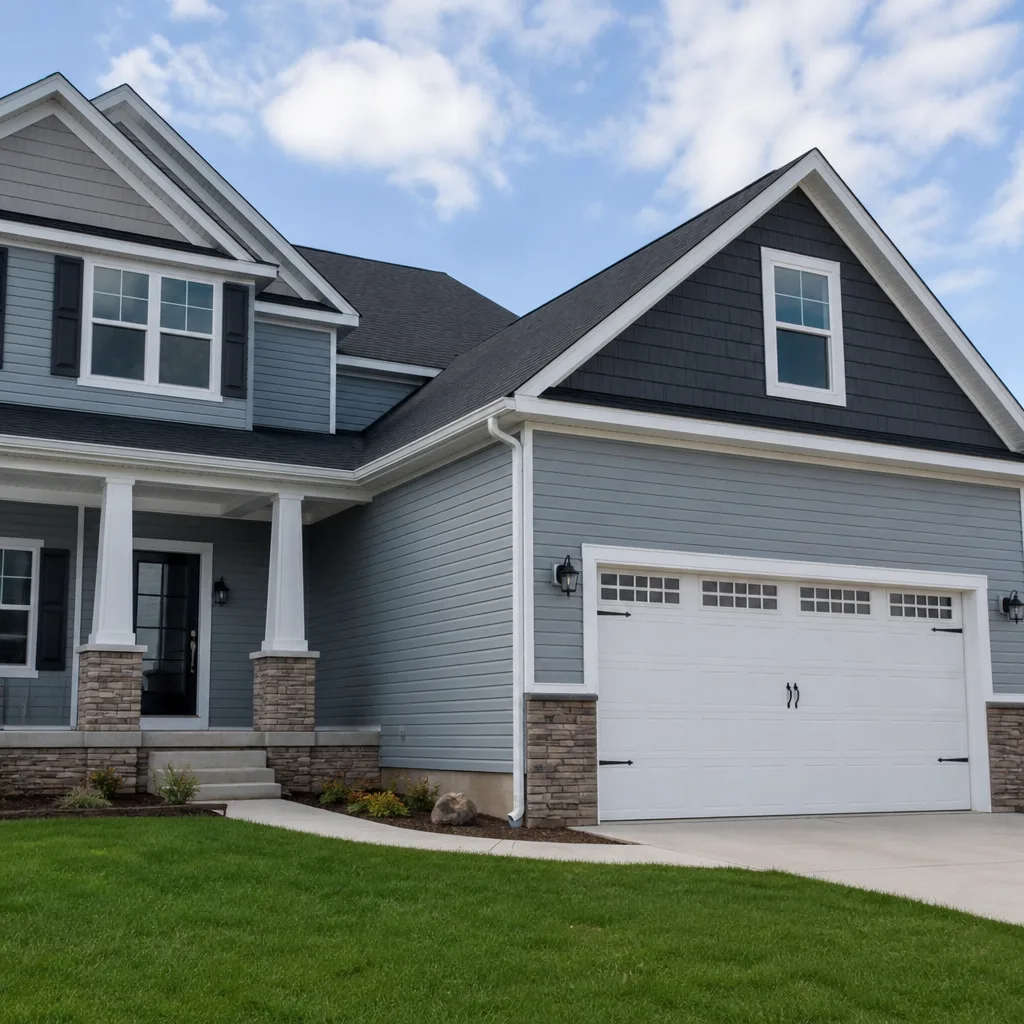 Reconstruction
Free visual inspection and a written scope of work before any mitigation begins - photos, moisture readings, and drying logs go in your claim file
The scope we write is the scope we bill. Anything new gets shown to you, in writing, before we touch it.
Get your free estimateWater Damage Restoration in Apple Valley: Fast, Certified, and Built for the Mojave
Water damage restoration in Apple Valley, CA typically runs $1,800 – $6,400 depending on how far water has wicked into slab-on-grade construction and whether category 2 or 3 contamination is present. Most homes here need structural drying, not just extraction, because caliche soil and monsoon sheet flow push water under door thresholds and into wall cavities where it won’t evaporate on its own. If water is sitting in your Apple Valley home right now, call (833) 589-7005. We dispatch to Apple Valley neighborhoods throughout 92307 and 92308, including homes off Central Road, Bear Valley Road, and the washes near Sitting Bull Road.
Why Apple Valley Floods From the Outside In
Every restoration company says water damage comes from broken pipes and appliance failures. In Apple Valley, that’s only half the story. The other half is bone-dry desert washes and street gutters that run empty for eleven months of the year, then turn into sheet-flow channels during July and August monsoon cells. Caliche soil under Apple Valley homes is nearly impermeable. When a thunderstorm drops an inch of rain in thirty minutes, that water doesn’t soak in. It moves across the surface, toward the lowest point on the property, which is often a front door threshold, a garage slab edge, or a stucco wall base. Homes near desert drainage channels can take water at the front door from a storm that barely drizzled overhead.
We’ve worked enough Apple Valley jobs to know that outside-in flooding behaves differently than interior leaks. The water arriving at your door has already swept across yards, driveways, and street gutters, picking up silt, animal waste, and whatever else was sitting on the ground. That’s category 2 water by IICRC definitions, and it requires antimicrobial treatment at the wetted materials, not just drying. If your house sits within sight of a wash, even a dry one, you’re in a higher-risk zone than the rest of Apple Valley. We know those lots. We know how the water moves across them.
Restoration work we handle
Our Water Damage Restoration Team’s Approach in Apple Valley
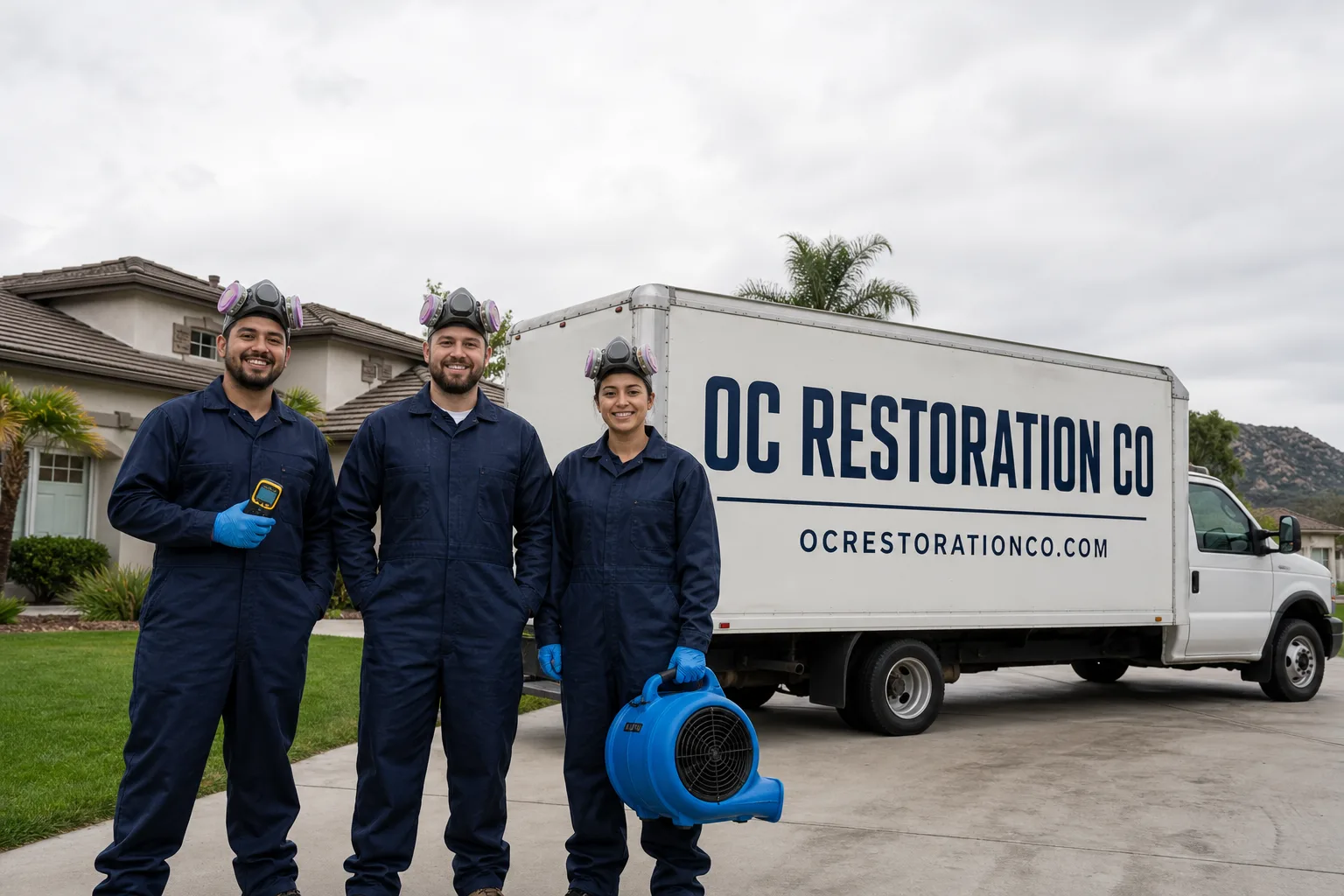
When you call OC Restoration Co, you get an IICRC-certified Water Damage Restoration team that follows documented drying protocols rather than guesswork. Allen Burkhart leads our crews, and he’s built the company around a simple principle: measure first, treat accordingly, and log everything so the scope of work is defensible to your insurer. We use Dri-Eaz dehumidifiers, Phoenix axial air movers, and XPOWER air movers, all commercial-grade equipment sized for structural drying, not surface drying. For Apple Valley slab-on-grade homes where water runs under walls into interior cavities, we deploy Injectidry systems to pull moisture from inside wall voids without removing drywall unnecessarily.
We’re not a general contractor moonlighting as a restoration company. We carry RIA membership and maintain IFA affiliation because those professional networks require continuing education and adherence to a code of ethics. When we set a drying chamber in your Apple Valley living room, the equipment layout, moisture readings, and daily logging follow the same standards a national restoration firm would apply.
If you’re managing a property in Apple Valley from out of town, or you’re an adjuster who needs a documented, protocol-driven scope, you can hand this to us with confidence. Our drying logs include daily moisture content readings from affected materials and the ambient conditions in the drying chamber. We photograph everything before, during, and after. When your claim requires it, we coordinate directly with your adjuster.
Water Damage Cleanup in Apple Valley
Water Damage Cleanup in Apple Valley means removing standing water, contaminated materials, and saturated debris from a home that’s been flooded by monsoon sheet flow, a burst pipe, or a roof leak. You need cleanup, not just drying, when water has been sitting long enough to be classified category 2 or 3, or when it has wicked through drywall, insulation, carpet pad, and baseboards. In Apple Valley, where many homes are slab-on-grade stucco built between the 1960s and 2000s, cleanup often includes cutting wet drywall at the base of walls, pulling saturated carpet and pad, and removing baseboards so the slab and wall cavities can dry properly.
A typical Water Damage Cleanup job in Apple Valley runs $1,200 – $3,800 depending on the affected square footage and how much material must be removed. If water sat for more than 24 hours, you’re likely in the higher end because drywall wicking drives demo scope. Containment and antimicrobial treatment are standard components of our cleanup process whenever category 2 or 3 water is present, which is common with outside-in monsoon flooding.
Containment and Antimicrobial Treatment on Slab Foundations
Apple Valley’s slab-on-grade construction means there’s no crawl space to absorb water. It runs across the slab and wicks up the drywall. We set containment around affected areas, apply antimicrobial treatment at the wet wall bases, and then bring in drying equipment. The goal is to stop mold before it starts, which in a high-desert home with no basement means getting the slab and wall cavities dry fast.
Debris Removal and Material Disposal
If monsoon water carried silt and debris into your home off Central Road or a wash near Kiowa Road, cleanup includes removing that contaminated material before drying starts. We bag and dispose of category 3 materials per IICRC guidelines. You shouldn’t have to handle flood debris yourself, especially if it’s been sitting in desert heat.
Emergency Water Damage Restoration in Apple Valley
Emergency Water Damage Restoration in Apple Valley is what happens when a July monsoon cell floods your front room, a supply line bursts at 2 a.m., or a water heater on an exterior wall lets go while you’re asleep. The first 24 hours determine whether you’re drying or tearing out. Wetted drywall that stays wet overnight wicks moisture upward, baseboards delaminate, and category 2 water becomes category 3 as bacterial growth accelerates in the desert warmth. That’s why we answer the phone when you call and begin the extraction process as soon as our crew arrives.
Emergency response in Apple Valley includes water extraction with truck-mounted or portable extractors, moisture mapping, containment setup if needed, and placement of drying equipment. The cost for emergency water extraction and initial mitigation typically runs $1,500 – $4,200 in Apple Valley, depending on square footage and contamination level. We’ll give you a written scope before we start work, not after.
What Happens in the First Two Hours
We arrive, we map moisture across the slab and walls, and we extract standing water while that’s happening. Our techs use thermal imaging and penetrating moisture meters to find water that’s moved under vinyl plank or tile or into wall cavities. The findings go into a drying log that becomes part of your claim file.
Structural Drying on Slab-on-Grade Homes
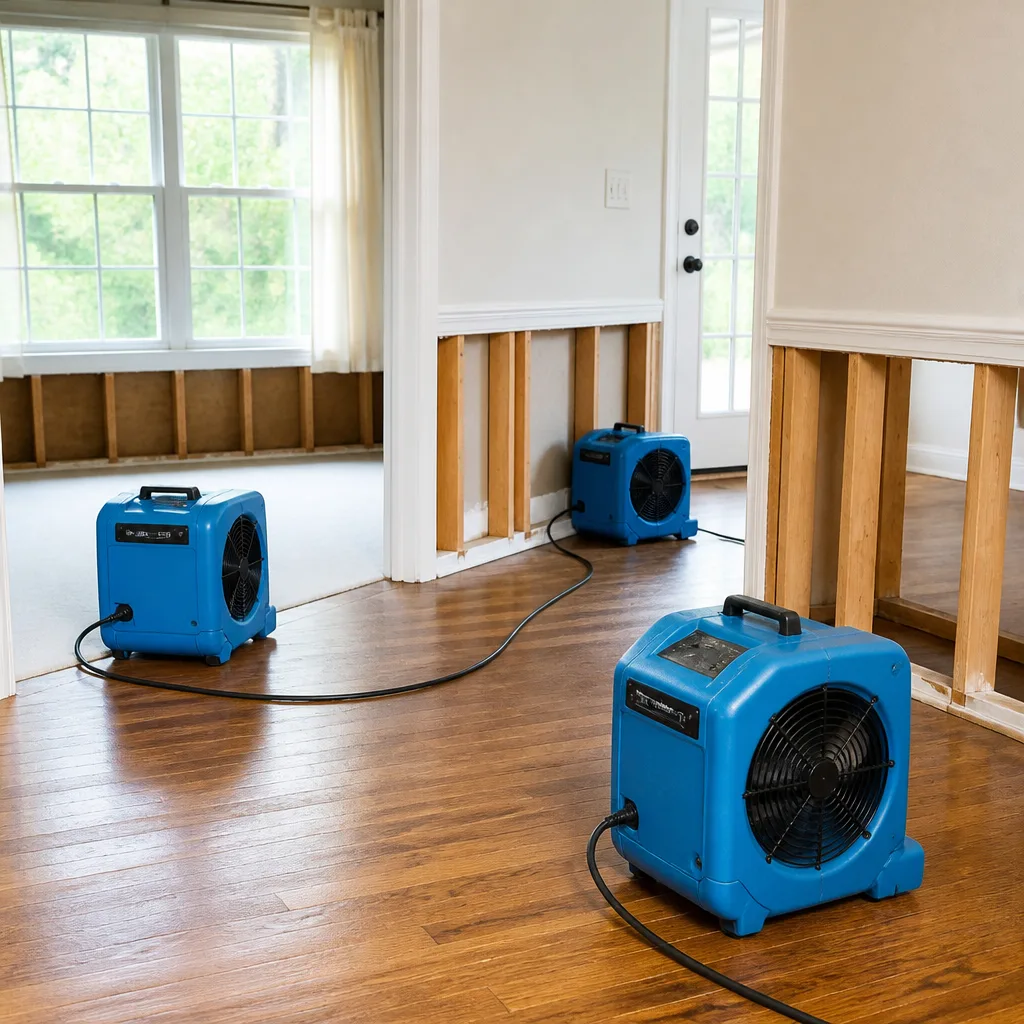
Apple Valley homes built on slabs need interior cavity drying more than homes with crawl spaces. Water that runs under a wall base plate can sit there for weeks if it’s not actively dried. We use Injectidry panels to pull air through wall cavities and Dri-Eaz dehumidifiers to bring the whole space down to target moisture content. This isn’t a box-fan job.
Common Water Damage Restoration Problems We See in Apple Valley Homes
- Monsoon sheet flow entering under doors and through stucco cracks. Homes near desert washes and drainage channels, especially those along Bear Valley Road corridors and the washes feeding toward the Mojave River, take water at the front door even when the storm cell is miles away. The caliche soil won’t absorb it, so it moves.
- Flat and low-pitch roof ponding during intense thunderstorms. Apple Valley’s housing stock includes many flat-to-low-pitch roofs that pond during summer monsoon cells. The leak may show up as a ceiling stain far from the actual breach, which means surface-level moisture mapping misses the entry point unless the roof plane is traced back to the source.
- Manufactured and mobile home plumbing and roof membrane failures. Apple Valley has a notable inventory of manufactured homes, and those units concentrate damage fast. Aging supply plumbing, roof membranes, and thin wall assemblies mean water can hit category 3 conditions before extraction even starts.
- Winter freeze bursts in exposed supply lines. High-desert winters bring hard freezes, and any plumbing run along an exterior wall or uninsulated garage wall is a candidate for a burst. The dry-warm-cold cycle also stresses stucco and roof membranes, opening hairline cracks that monsoon water finds later.
Pricing for Water Damage Restoration in Apple Valley, CA
Here’s what we see in Apple Valley. Basic water extraction and drying for a single room runs $1,200 – $2,500. A monsoon flood that forces water under a front door and along an interior wall base runs $2,500 – $4,500 because you’re cutting drywall, treating for contamination, and running structural drying equipment. A full home flood or category 3 situation, which we see in manufactured homes and homes near active washes, runs $5,000 – $8,500 or more depending on demo scope and content handling.
What drives cost in this market: how long water sat before we arrived, whether category 2 or 3 contamination is present, and how much drywall and flooring must come out. We provide a written scope with line-item pricing before any work begins, so there’s no surprise invoice. Estimates are free. Call (833) 589-7005 and we’ll get a crew moving toward your Apple Valley address.
See the difference
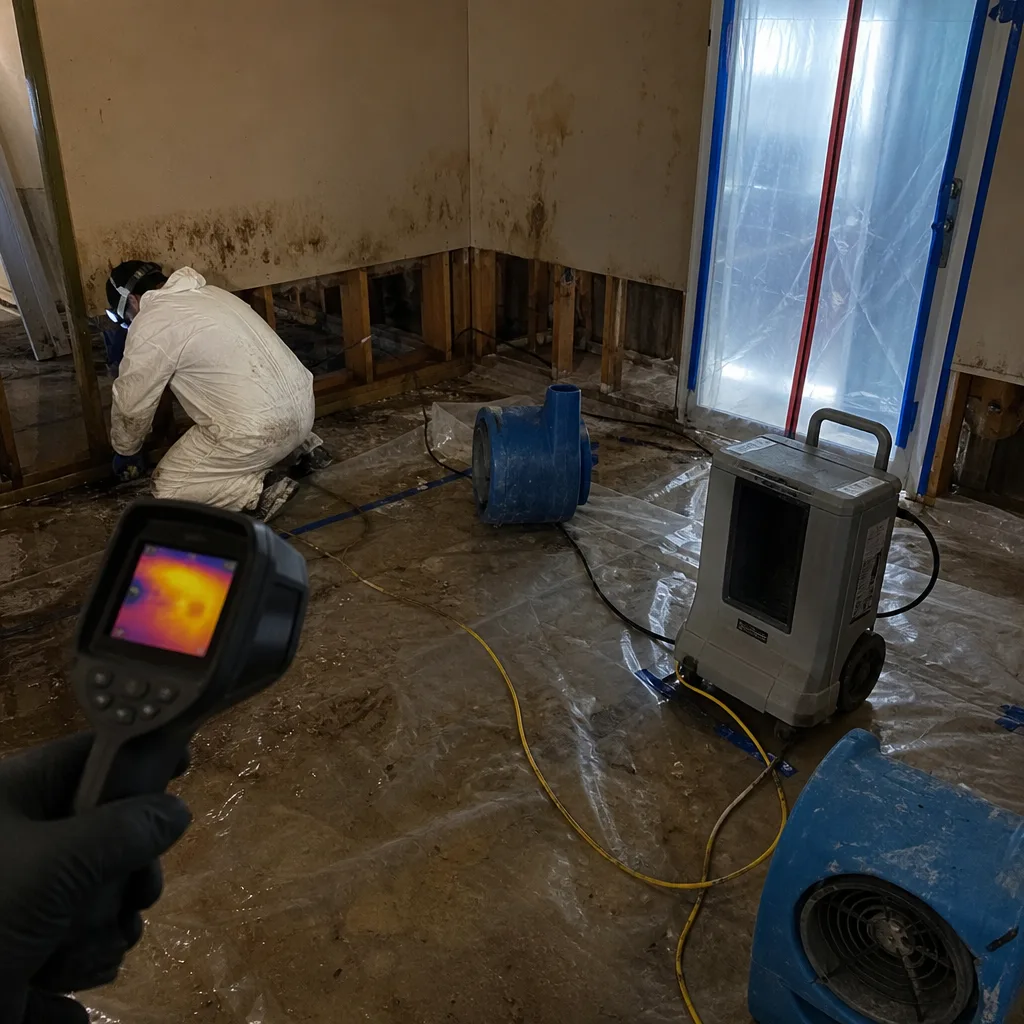 Before
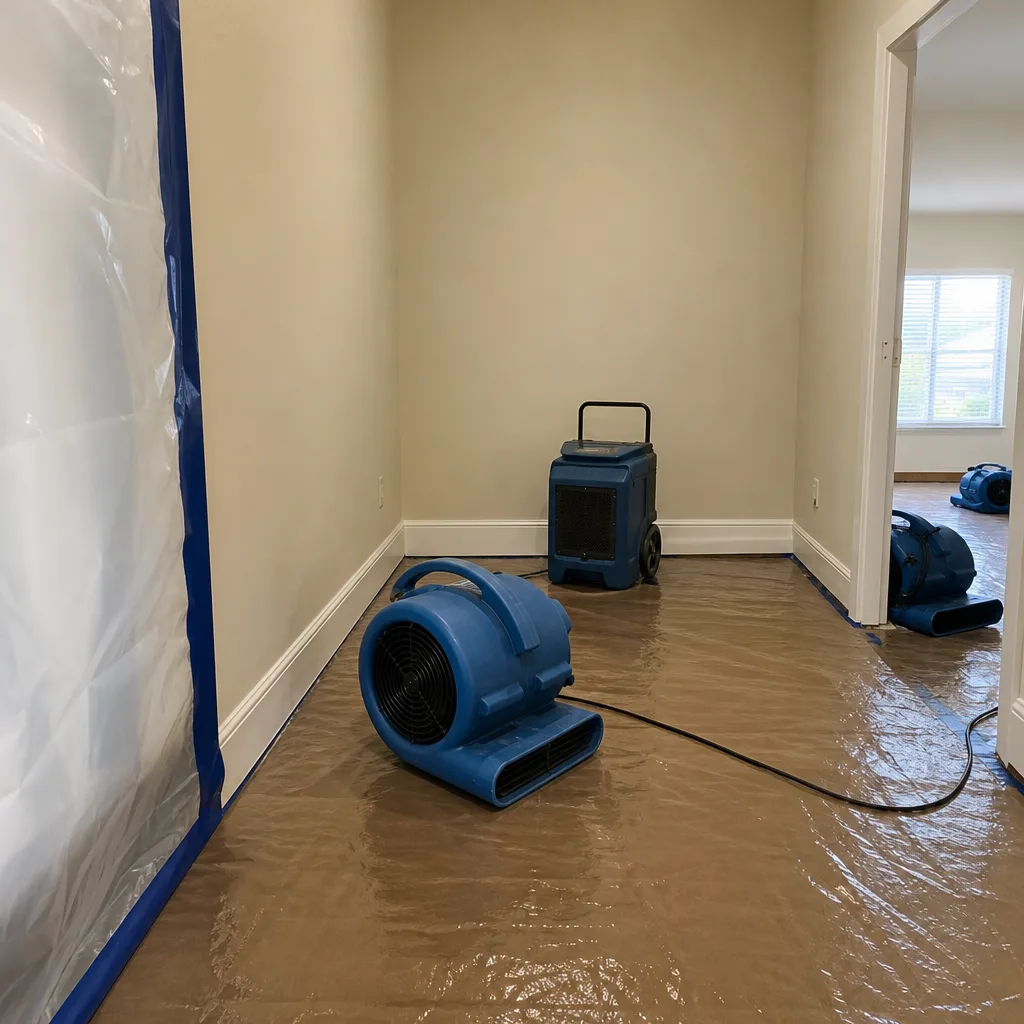 After
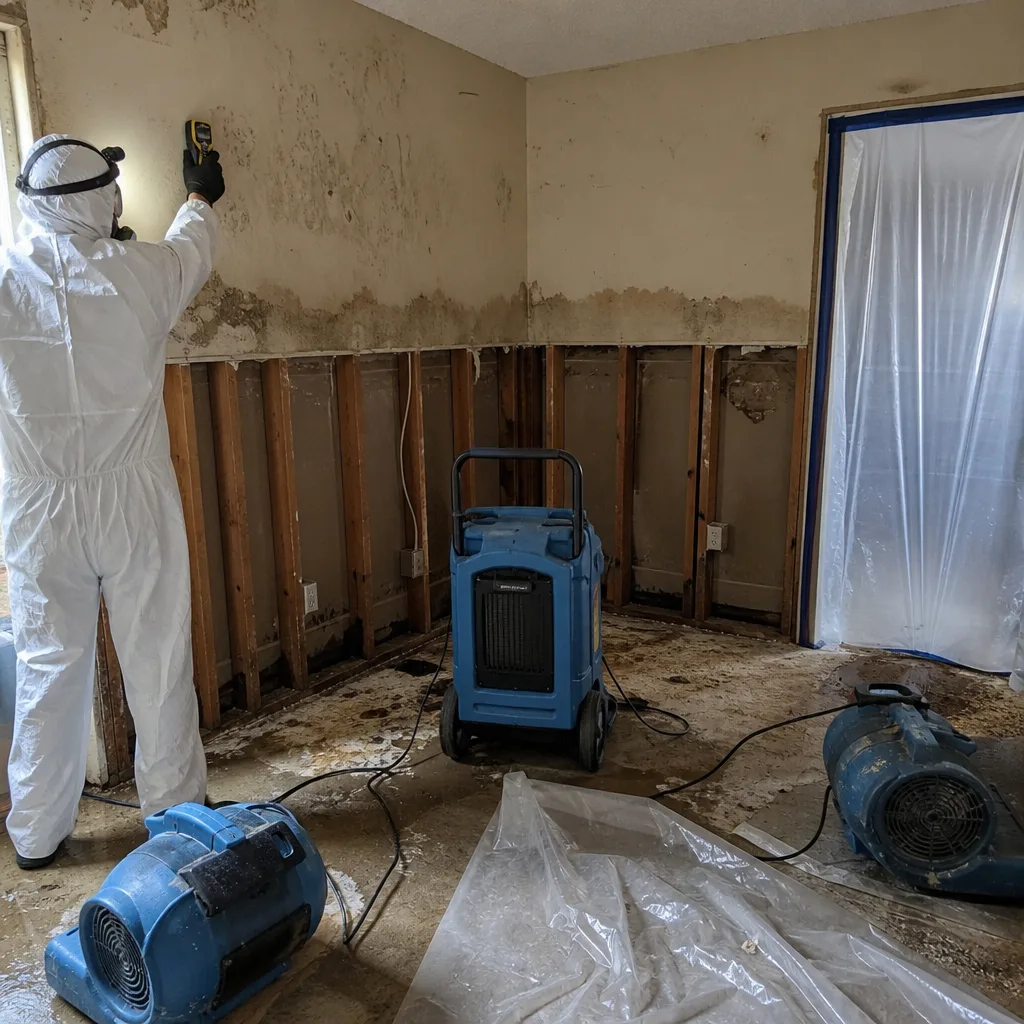 Before
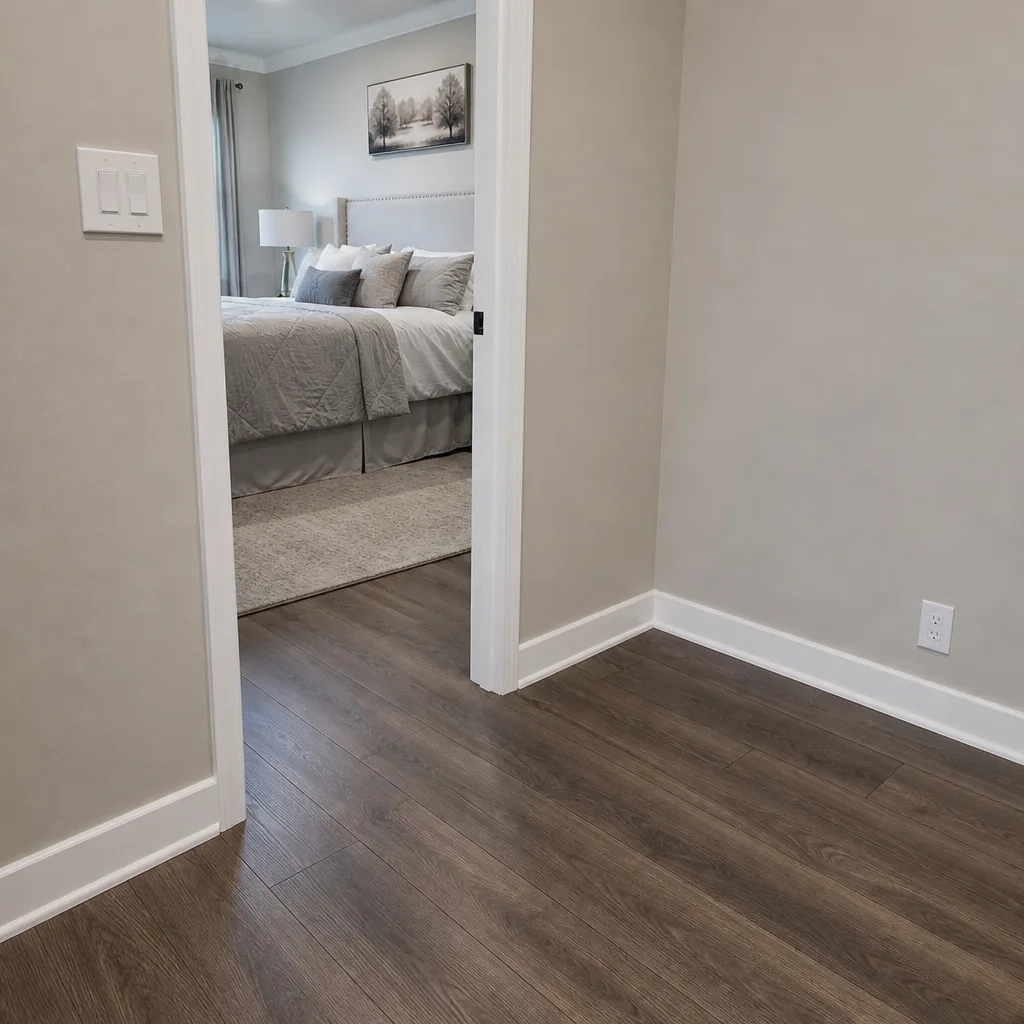 After
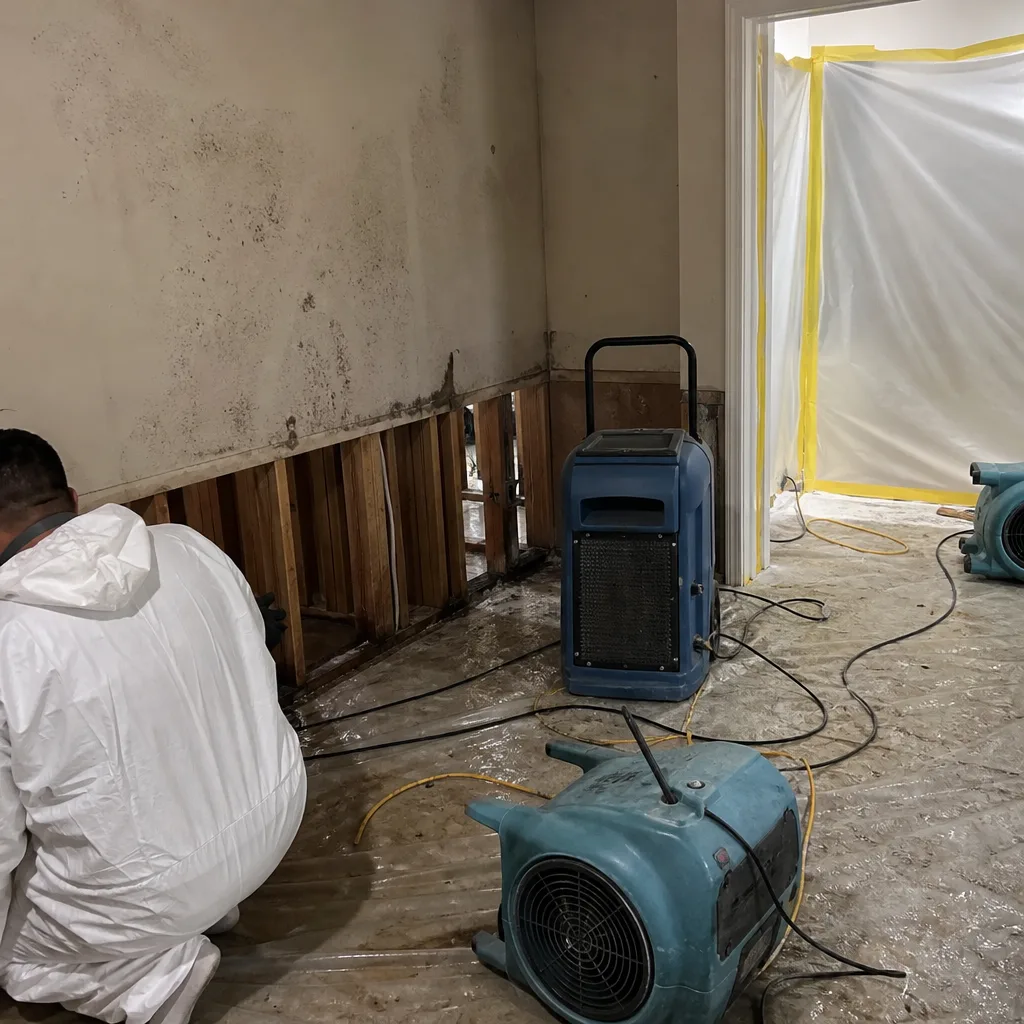 Before
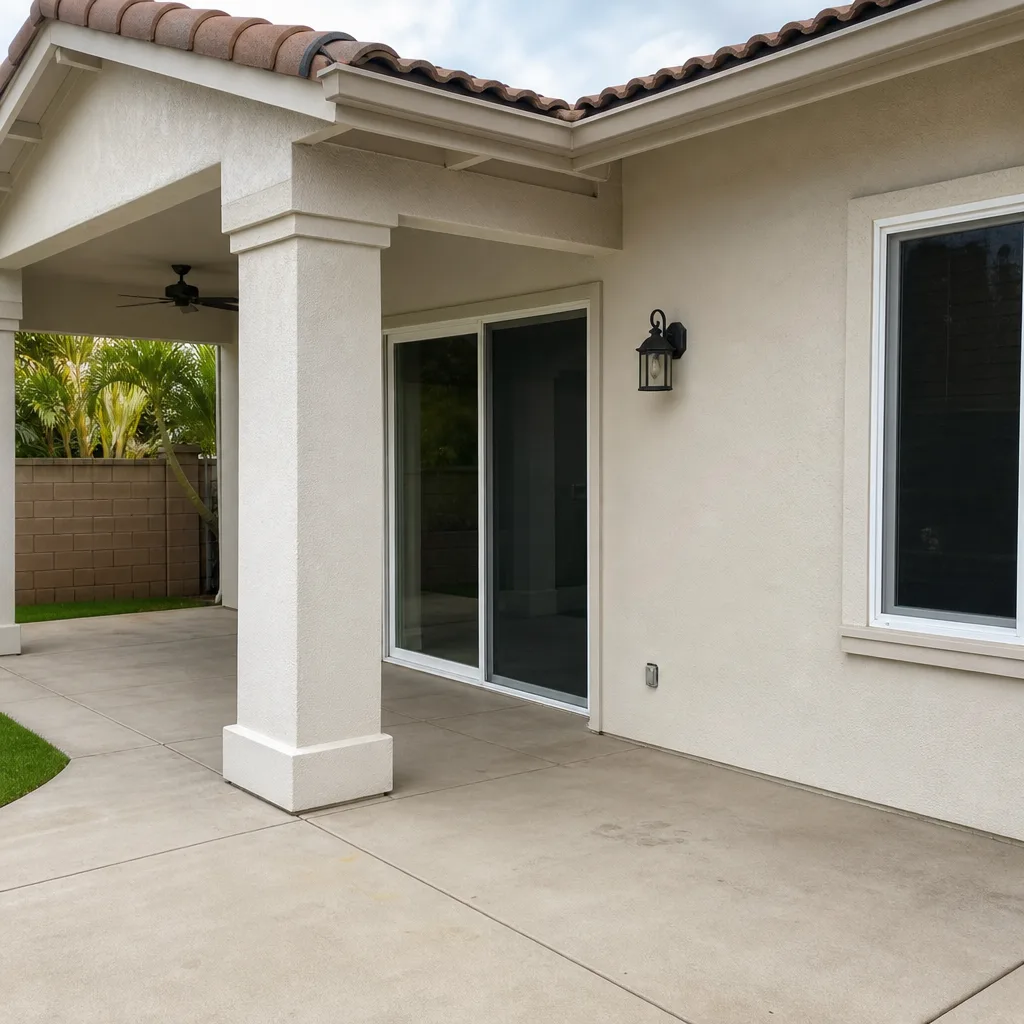 After
We Serve Apple Valley and the Surrounding High Desert
OC Restoration Co works throughout Apple Valley, including 92307 and 92308, and we also cover Mountain View Acres, Spring Valley Lake, Victorville, and Hesperia. If you’re in a bordering community and dealing with a water event, call us. We know the drainage channels, the soil, and the housing stock across this part of the high desert.
Trusted Equipment Brands We Run in Apple Valley
We don’t run consumer-grade equipment. Our drying trailers carry Dri-Eaz dehumidifiers, Phoenix air movers, and XPOWER air movers, the same brands national restoration firms use. For slab-on-grade Apple Valley homes where water is trapped in wall cavities, we run Injectidry systems to dry inside the wall structure without unnecessary demolition. We keep parts and consumables stocked for fast turnaround, so when we quote a dry time in your Apple Valley home, we can back it up with equipment that’s actually capable of hitting the target.
We Were Called to a Slab-on-Grade Stucco Home Off Central Road
We got the call after a July monsoon cell dumped rain on caliche that wouldn’t absorb a drop. Sheet flow crossed the yard and pushed category 2 water under the front door and along the base of an interior wall. Our tech pulled moisture readings across the slab, set containment and antimicrobial treatment at the wet wall base, then ran Dri-Eaz dehumidification with XPOWER air movers to hit structural drying targets. We logged moisture mapping daily in the drying logs and provided the full file to the homeowner’s adjuster. That’s the job. That’s what we do in Apple Valley.
Serving Apple Valley, CA — Our Local Coverage Area
We’re based in the Apple Valley area and know this community well. Use the map below to see our service coverage — if you’re nearby, we can almost certainly help.
FAQs About Water Damage Restoration in Apple Valley
Because Apple Valley’s caliche soil doesn’t absorb water, so monsoon rain runs across the surface and follows the natural drainage path, which is often a dry wash or street gutter that leads straight toward your front door. The storm cell can be miles away, but the sheet flow it generates is already moving downhill across your property. This is outside-in flooding, and it’s the most common water damage pattern we see in Apple Valley. If you’re near a wash, even a dry one, treat any summer thunderstorm as a flood risk. Call (833) 589-7005 before you start moving wet drywall yourself.
Mold can begin colonizing wet drywall and organic materials within 24 to 48 hours in a flooded Apple Valley home, especially during July and August when daytime high-desert temperatures stay hot. The warmth accelerates microbial growth. If monsoon water sat overnight or longer, you’re likely already in the window where antimicrobial treatment is needed, not just drying. We treat affected wall bases with antimicrobial agents as part of every category 2 or 3 water job. The faster extraction and drying start, the less demo you’ll face.
If water came from outside under a door, treat it as category 2 at minimum, because it crossed yard soil, driveway surfaces, and possibly street gutter flow. Category 2 water isn’t raw sewage, but it contains significant contamination and requires antimicrobial treatment, not just drying. And in a mobile home, thin wall assemblies mean water wicks fast and framing can hit category 3 conditions quickly. The water needs to come out, wet insulation and drywall need removal, and drying equipment needs to run until moisture readings verify the structure is dry. We work on manufactured homes throughout Apple Valley and know how fast they absorb water.
Structural drying on a slab-on-grade Apple Valley home means drying the slab and the wall cavities, not just the air. We extract standing water, map moisture across the slab and walls, set containment where needed, and run Dri-Eaz dehumidifiers paired with XPOWER and Phoenix air movers. Where water moved into wall cavities under a base plate, we use Injectidry panels to pull air through the wall structure and force evaporation from the inside. The drying logs track daily moisture content in affected materials until they hit dry standard. That’s what structural drying actually is in this market, and it’s the part contractors who only run fans get wrong.
Yes, hard freezes are a real water damage trigger in Apple Valley, especially for supply lines run along exterior walls, through uninsulated garage walls, or in exposed outdoor hose bibs. A freeze-thaw cycle can crack copper and burst PEX fittings, and the leak often shows up when the line thaws, not when it freezes. If a pipe bursts while you’re away, you’re coming home to a flooded slab home, which is a category 1 water event that turns worse the longer it sits. After any hard freeze, check your water meter and exterior wall plumbing runs. If you see signs of a burst or a slow leak, call (833) 589-7005 and we’ll trace it before it becomes a full flood.
Call OC Restoration Co for Water Damage Restoration in Apple Valley
If water is in your Apple Valley home right now, the next call matters. You need a certified team that knows the washes, the soil, the stucco, and the slab construction of this area. You need drying equipment that’s up to the job and a written scope before work starts. Allen Burkhart and the team at OC Restoration Co are ready to dispatch. Call (833) 589-7005 for a free estimate, or just to ask a question about what you’re seeing. We’ll give you a straight answer, not a sales pitch.
Written by Allen Burkhart, Owner at OC Restoration Co, serving Apple Valley and the High Desert since 2015.