 Water damage drying
 Fire & smoke cleanup
 Mold remediation
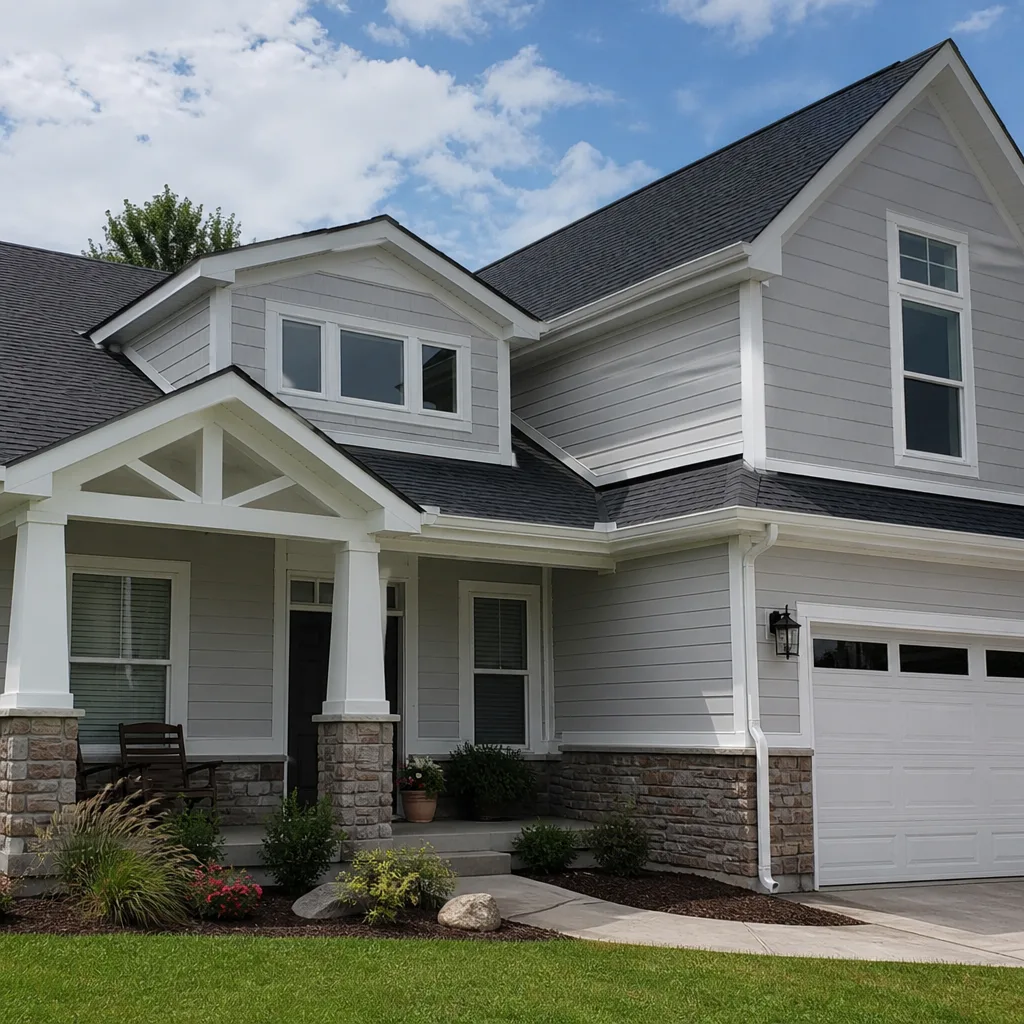 Storm response
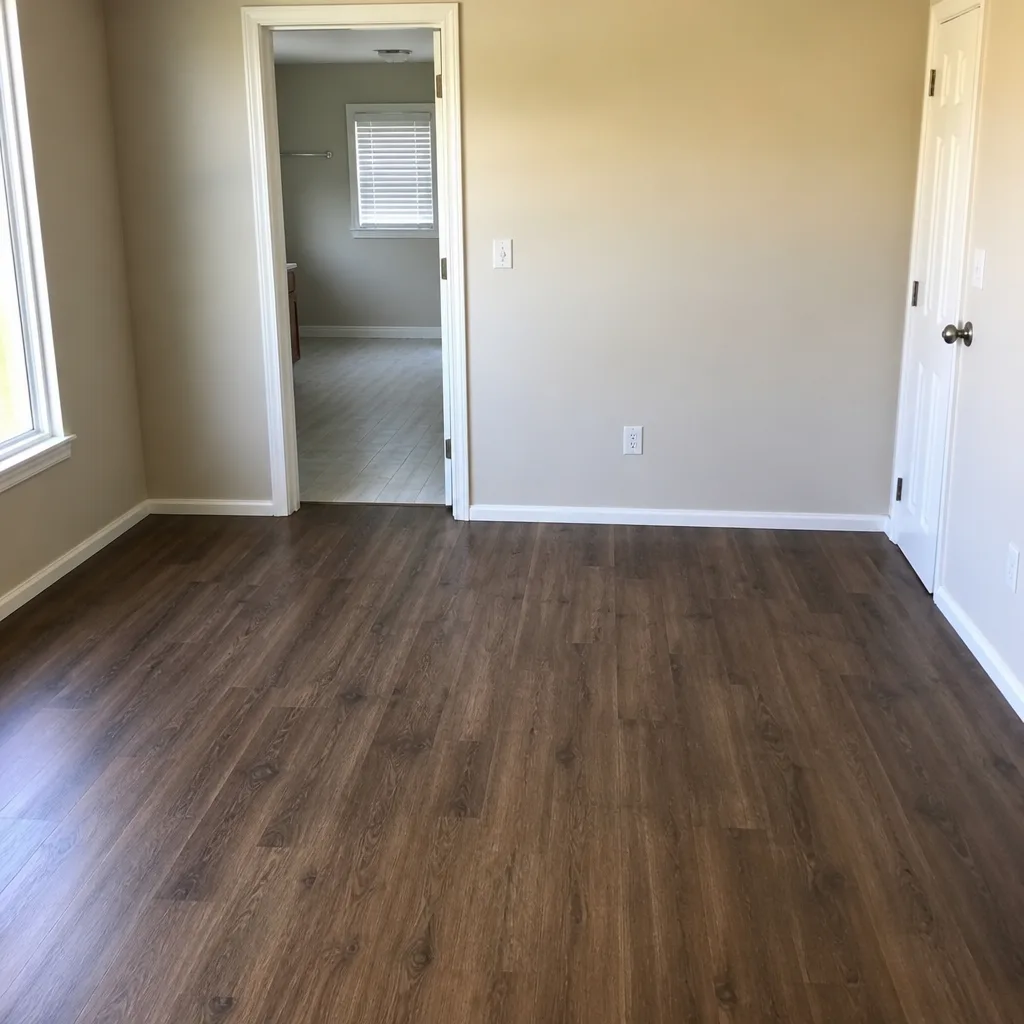 Sewage cleanup
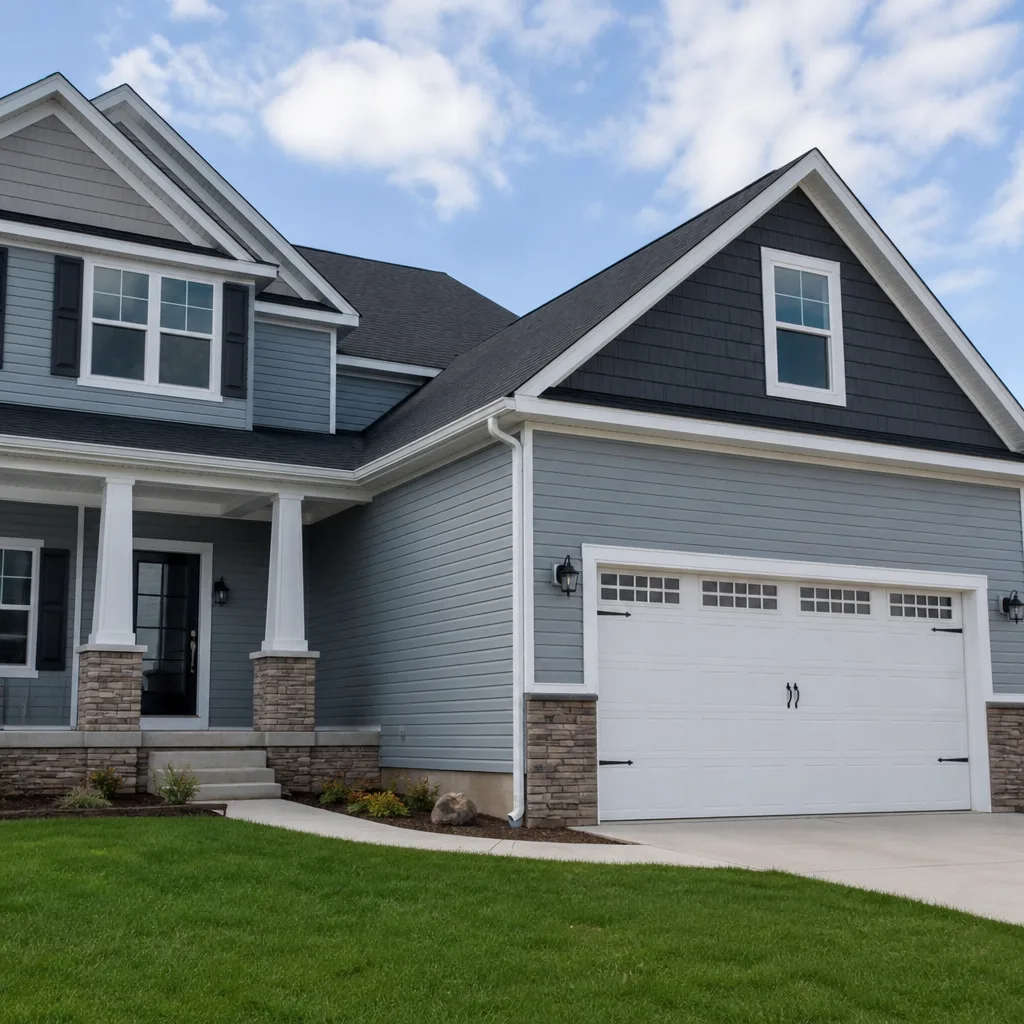 Reconstruction
Free visual inspection and a written scope of work before any mitigation begins - photos, moisture readings, and drying logs go in your claim file
The scope we write is the scope we bill. Anything new gets shown to you, in writing, before we touch it.
Get your free estimateFast, Reliable Water Damage Restoration Across Upland
Water damage in Upland moves fast. Water intrusion from a burst pipe, storm runoff, or a leaking slab line needs extraction and structural drying started within hours, not days. Our crews respond to Upland homes and acreage properties throughout the 91784, 91785, and 91786 ZIP codes from our Corona base. Allen Burkhart leads an IICRC-certified team that runs commercial-grade extraction and drying equipment, and we can typically be on site in Upland within an hour or two of your call. If you’re standing in water right now, call (833) 589-7005.
Upland’s position at the base of the San Gabriel Mountains creates damage profiles most restoration companies never see. We know the difference between Category 1 supply-line failures and the silt-laden Category 2 or 3 water that pours off foothill washes after a post-fire rain. That matters for what we extract first, how we dry the structure, and what gets disposed of rather than dried in place.
Why OC Restoration Co Is Upland’s Preferred Water Damage Restoration Company
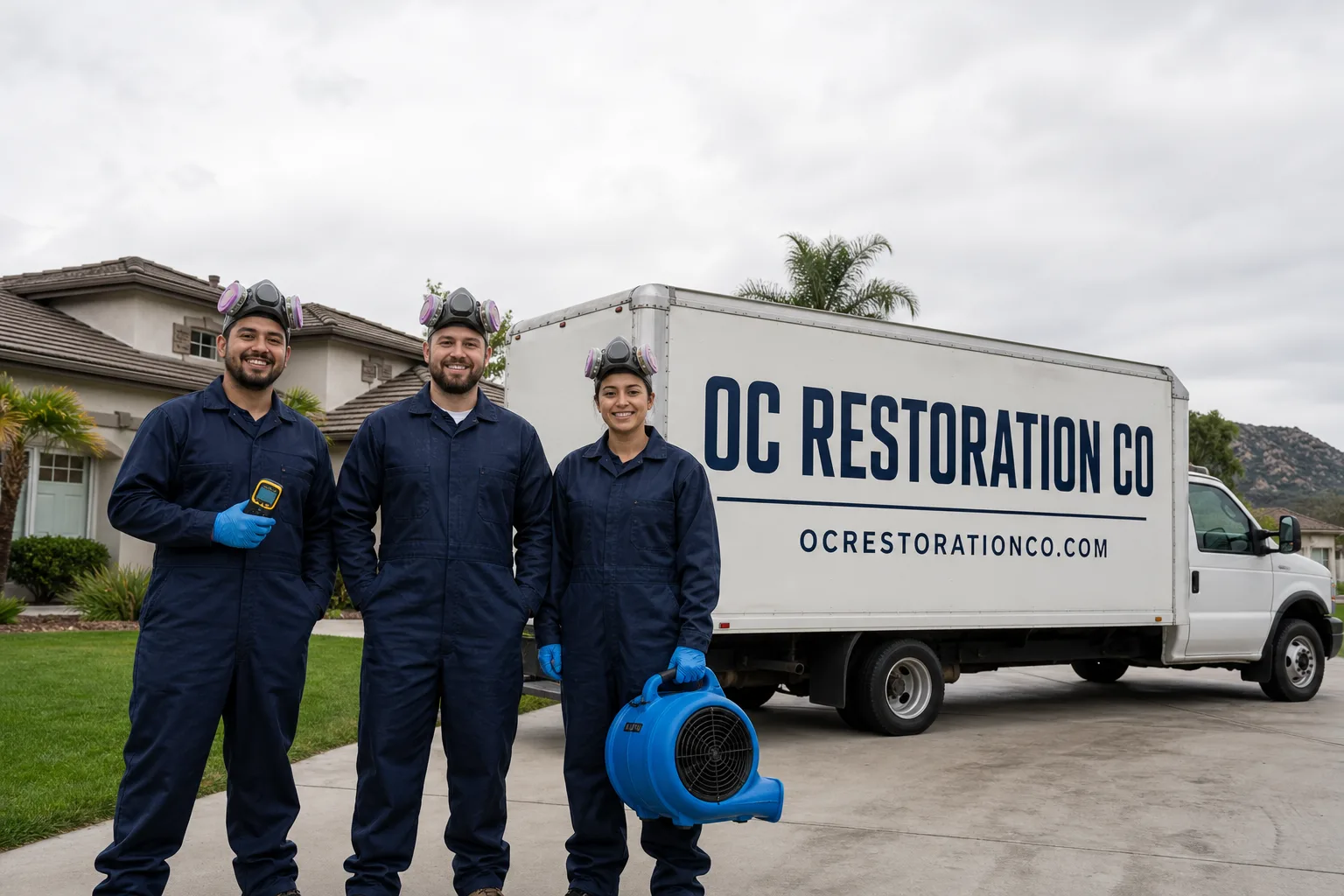
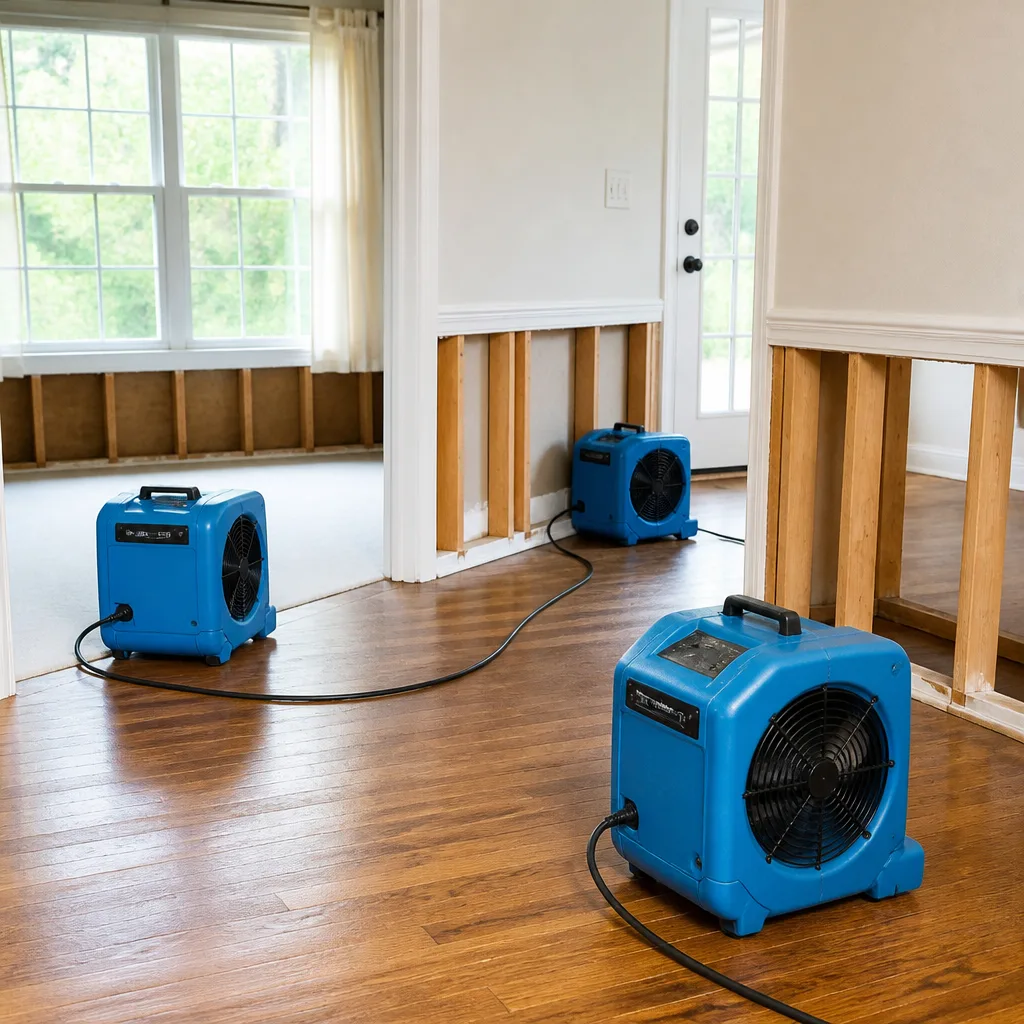
Upland homeowners and property managers keep calling us back because we treat every job as a documented, protocol-driven process, not a mop-and-fan operation. The crew that shows up to a home off Euclid Avenue or a ranch property in 91784 carries Dri-Eaz dehumidifiers, Phoenix air movers, and XPOWER extraction units. That’s the same equipment national restoration firms run, and it means we dry Upland structures to documented moisture-content targets rather than guessing when the walls are dry.
Our IICRC certification is the restoration industry’s most recognized credentialing body. Technicians train to documented standards, not informal company practices. We’re also an active member of the Restoration Industry Association (RIA) and affiliated with IFA, which means continuing education and a professional code of ethics sit behind every Upland job.
For Upland specifically, that means we understand what slab-on-grade mid-century ranch homes in 91786 need when an under-slab line corrodes, and we know that the 91784 foothill streets flood with sediment-laden runoff that carries a different contamination profile than a clean water leak. Property managers with multiple units near Foothill Boulevard trust us because we document everything with photos and moisture logs their adjusters can use directly. Allen Burkhart built OC Restoration Co to give insurance professionals and homeowners the same thing: a certified team that follows the protocol from extraction to final clearance.
Get in touch with our Water Damage Restoration team for emergency response across Upland.
Restoration work we handle
Water Extraction in Upland
Water Extraction in Upland is the first mechanical step after any standing water event, and in our market it frequently involves two very different water types. In the mid-century ranch core of 91785 and 91786, extraction usually follows a corroded under-slab supply line that has flooded a living room or kitchen. In 91784, up against the foothills, the call is often standing water and mud that pushed in from a canyon-mouth wash after a winter storm. The extraction approach differs because the debris load is different. Sediment gets extracted and disposed of first; clean water gets extracted and the remaining moisture handled through controlled structural drying.
Our crews arrive in Upland with truck-mounted and portable extraction units sized for the property. A 1,200-square-foot ranch off San Antonio Avenue needs a different setup than a 4,000-square-foot custom home with a detached workshop on a long service drive. We size the extraction package to the square footage and the water category, not to whatever unit happens to be on the truck.
Slab Homes and Under-Slab Line Breaks
Upland’s older ranch homes sit on slab foundations, and when the copper supply lines under the slab corrode and fail, water comes up through the flooring and spreads fast. Extraction means pulling what’s reachable, then setting up drying protocols that address the slab and the wall cavities above it. Skipping the cavity work here is exactly how hidden Category 2 water keeps feeding mold behind stucco for months after the visible puddle is gone.
Foothill Runoff and Sediment Extraction
The 91784 hills are a different job. When post-fire rain events send muddy runoff down canyon-mouth streets, the water enters garages, workshops, and lower-level rooms carrying silt, ash, and organic debris. This water is not Category 1. We extract the sediment first, remove it from the property, then run the drying program. Drying silt in place is a recipe for long-term odor and microbial issues.
In Upland, water extraction averages $400 to $900 for a typical single-room event when the water is clean and reachable. Sediment-laden foothill intrusion runs higher, usually $700 to $1,400, because of the additional labor and disposal involved. Exact numbers depend on square footage and how far the water traveled through the structure.
Emergency Water Removal in Upland
Emergency Water Removal in Upland is what we do when a supply line lets go at 2 a.m. or a storm surge sends water into a downhill-facing garage door on a 91784 acreage lot. The job starts the same way every time: stop the source if possible, extract standing water immediately, and deploy drying equipment that can handle the structure’s actual size. In Upland, that means we often bring the heavy-duty drying package on the first trip because properties with detached workshops and long service drives cannot wait on a second dispatch run.
You need emergency water removal when the water is actively spreading, when it’s seeping into walls or under cabinets, or when the source cannot be identified quickly. Waiting even 24 hours in Upland’s inland climate gives water time to wick up through drywall, saturate insulation, and reach the subfloor. That’s when remediation scope and cost multiply.
One-Trip Response for Acreage Properties
Upland acreage parcels with detached workshops, horse facilities, or oversized garages need real equipment volume on the first visit. Our crews bring Dri-Eaz dehumidification, Phoenix air movers, and extraction capacity sized for the entire damage profile, including the secondary structure. The homeowner gets the heavy-duty package in one trip: extraction, drying setup, moisture mapping, and antimicrobial treatment on the affected materials.
Category 2 and 3 Water Events
Not all emergency water is clean. Storm runoff from Upland’s foothill washes, sewage backups, and sump failures fall into Category 2 or 3 classification. These jobs require containment, personal protective equipment, and source-specific disposal before drying begins. We handle the full sequence under one certified team, so a Upland homeowner doesn’t coordinate between an extraction crew and a separate drying contractor.
Emergency water removal in Upland runs $650 to $1,250 for a typical clean-water event. Category 2 or 3 jobs that include sediment, sewage, or contaminated runoff run $1,200 to $2,400 on average. Every job gets a written scope before work starts, so you know what’s being done and why.
Trusted Brands We Service in Upland
Upland homes carry equipment and fixtures from brands like Rheem water heaters, Uponor and PEX repipe systems, Kohler fixtures, and Bradford White tanks, and our technicians service damage events tied to all of them. We also stock common local replacement parts and matching materials for Upland jobs, which cuts turnaround time when a supply line failure or a water heater rupture damages a mid-century ranch or a newer 91784 custom build. That local parts access means fewer delays between extraction and the rebuild phase, and it’s one reason Upland customers see us finish drying programs on schedule.
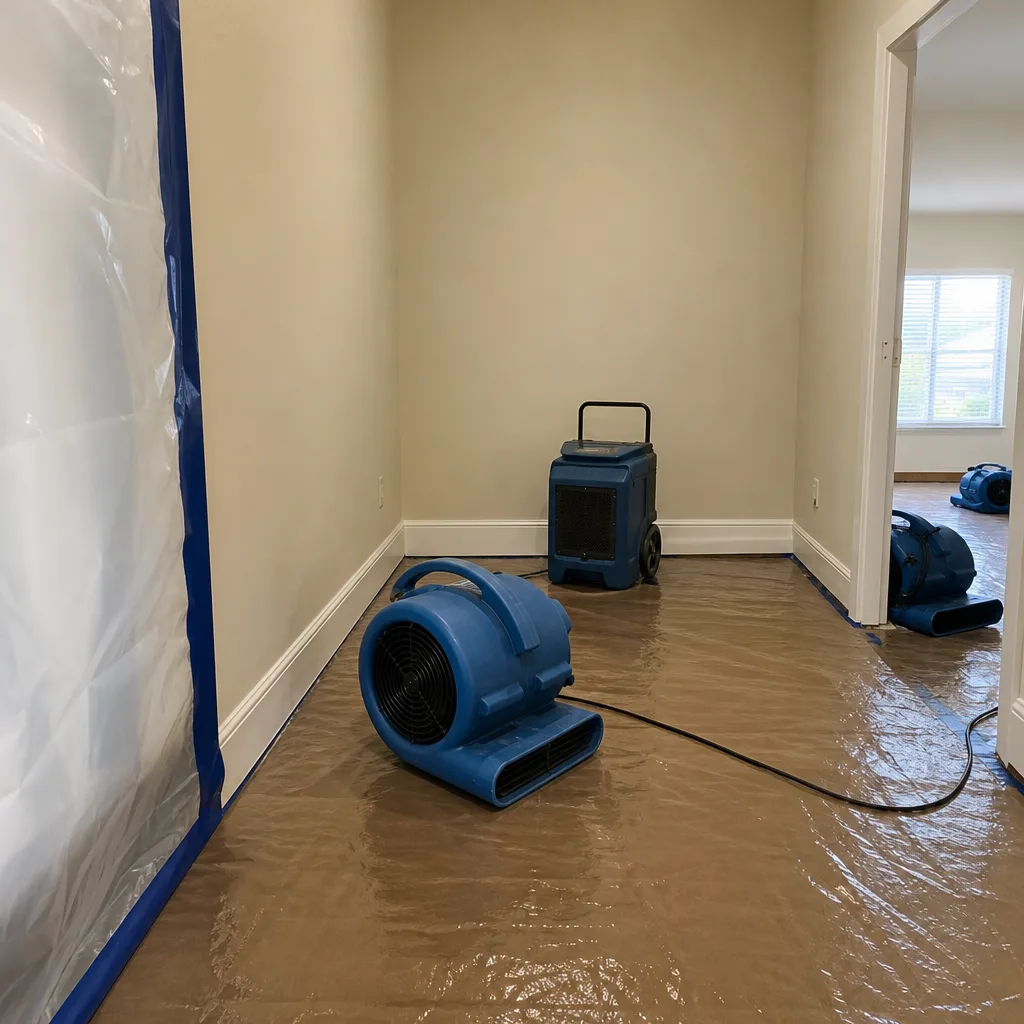
See the difference
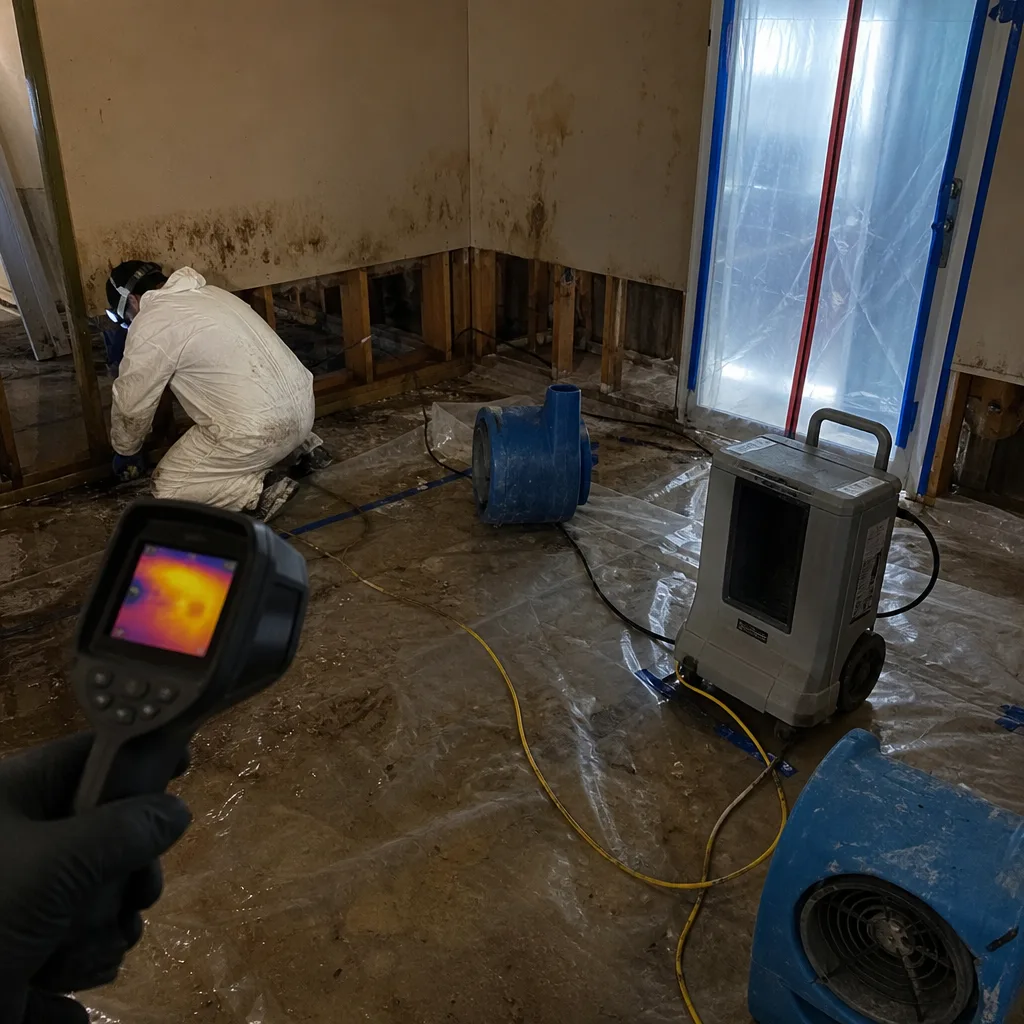 Before
 After
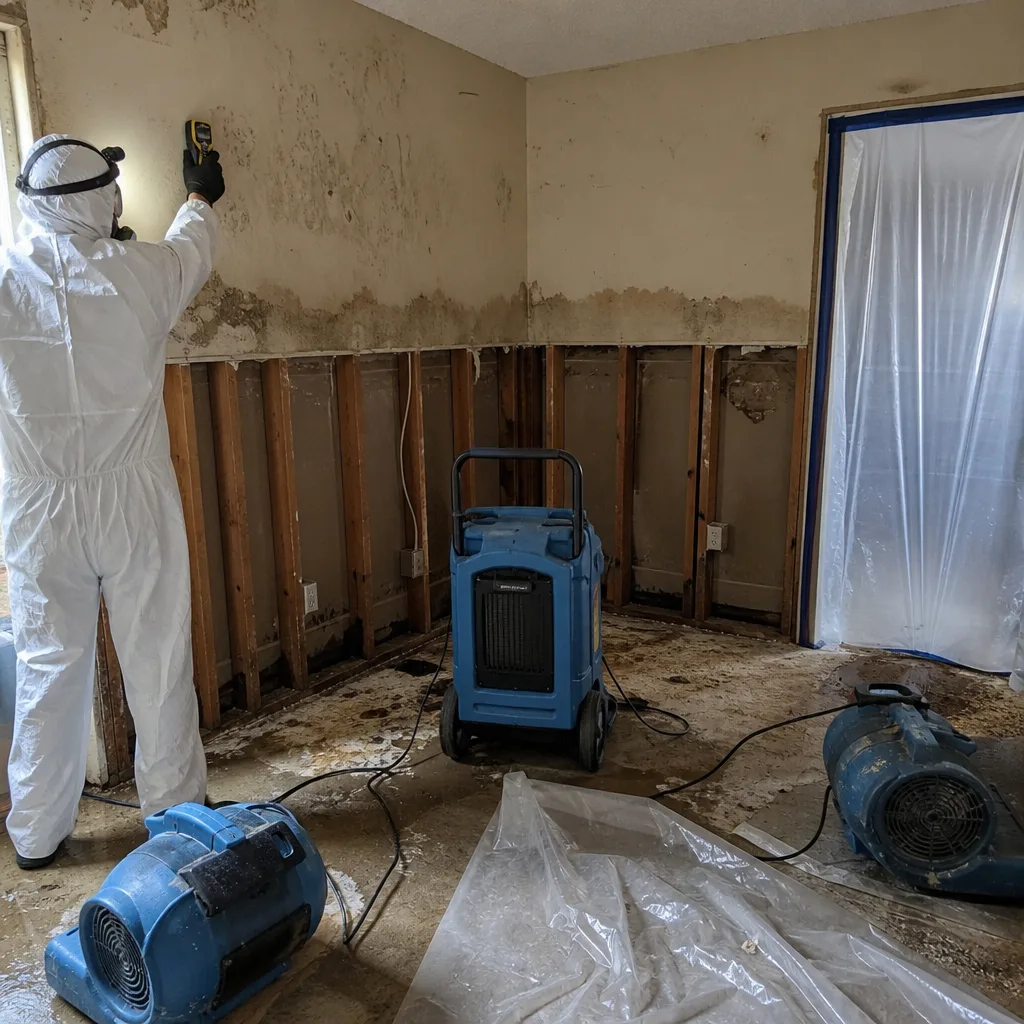 Before
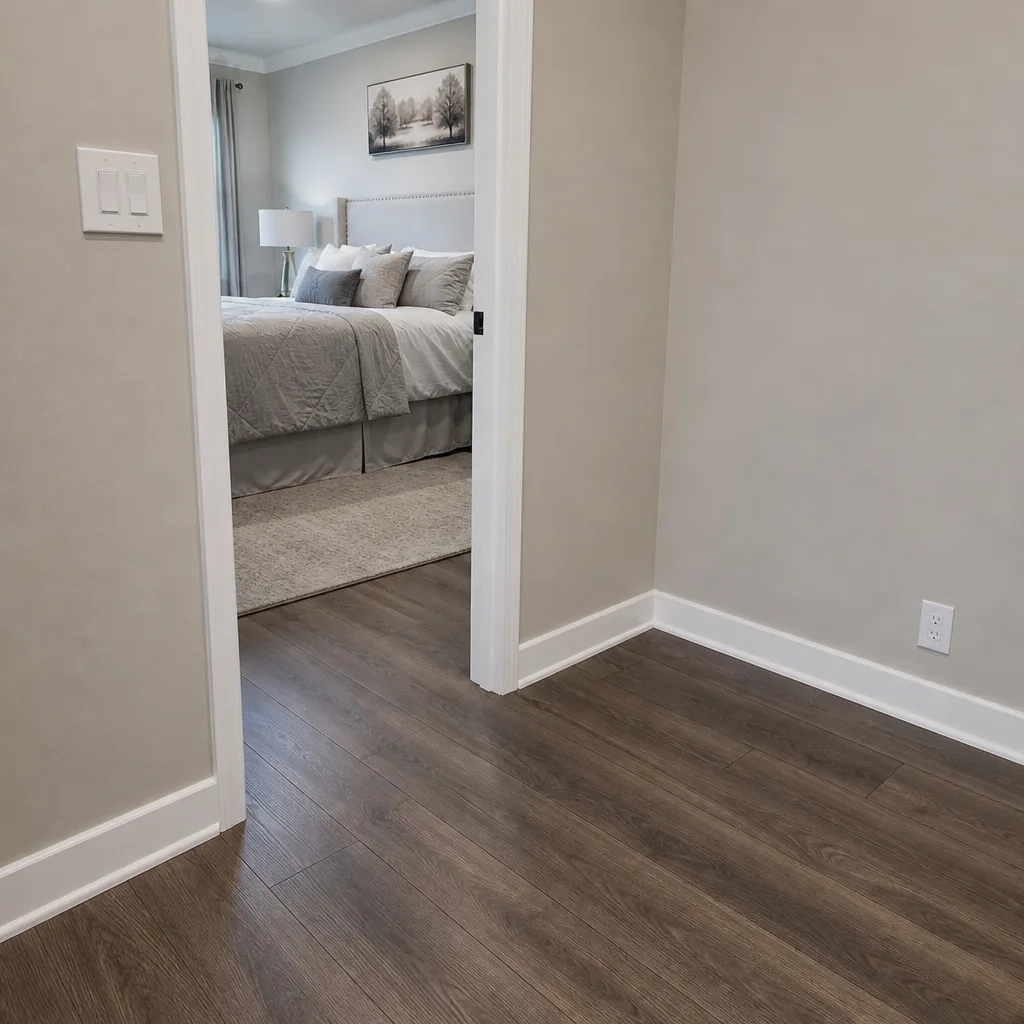 After
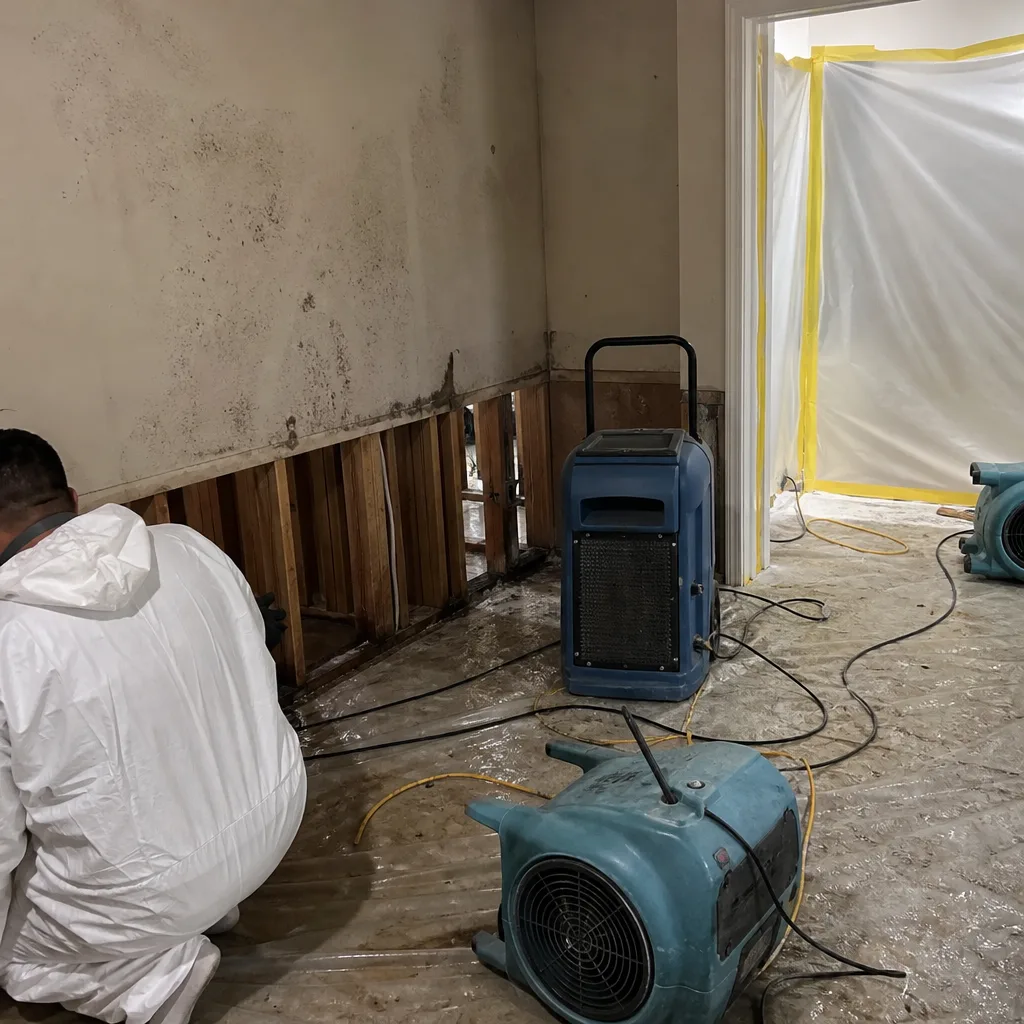 Before
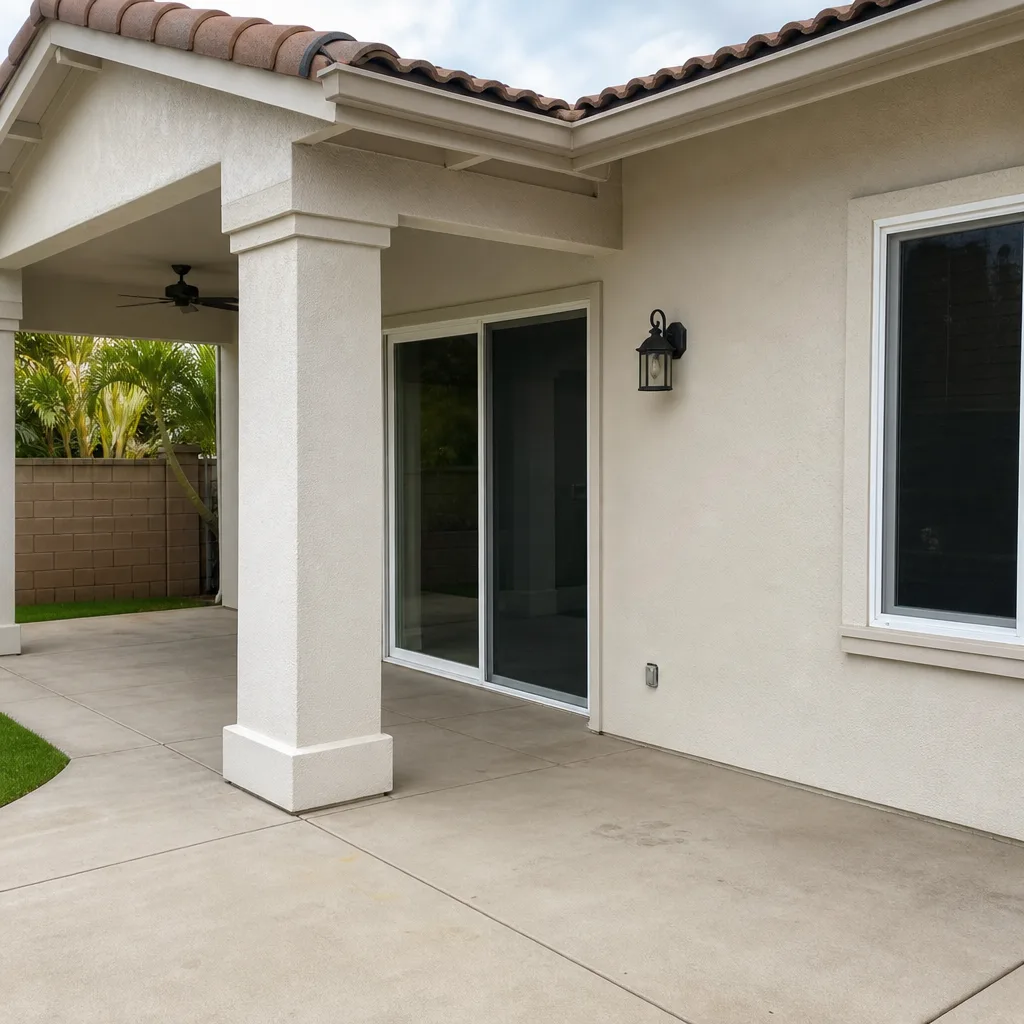 After
Common Water Damage Restoration Problems We See in Upland Homes
Upland’s housing stock and geography produce a recurring set of damage patterns. These are the ones our crews deal with most often:
- Corroded under-slab copper supply lines in 1960s and 1970s ranch homes. The original copper in Upland’s mid-century core is reaching end of life, and when it fails it floods the slab from below. The water travels under flooring and into wall cavities before you ever see it.
- Foothill debris-flow intrusion in 91784 after post-fire rain events. The same streets that flood with silt at the canyon mouths also carry the sedimentation that blocks drainage and forces muddy water into garages and lower rooms.
- Stucco wall cavity saturation that never gets mapped or dried. Upland’s stucco exteriors hide moisture beautifully, which is the problem. Water from a roof leak or window flashing failure sits inside the wall cavity and feeds mold for months.
- Undersized drying on acreage properties with detached structures. Workshops and detached garages trap humidity and stay wet past the drying logs window when the drying package isn’t sized for the entire property, not just the main house.
Pricing for Water Damage Restoration in Upland, CA
Water damage restoration in Upland, CA typically ranges from $2,800 to $7,500 for a complete extraction and structural drying program on a single interior room. A whole-home event on a larger 91784 property with a detached workshop can run $8,000 to $18,000 depending on how far water traveled and whether the event is Category 2 or 3. Sediment cleanup from foothill runoff adds $1,200 to $3,500 on top of drying costs because of the disposal and containment labor involved. Insurers in Upland typically reimburse documented restoration according to the scope we photograph and log, and we coordinate with adjusters directly using the photo and moisture data we collect. Call (833) 589-7005 for a free estimate on your Upland property.
For more on local coverage, see Water Damage Restoration in Upland and the neighborhoods our certified team serves.
We Also Serve Cities Near Upland
Beyond Upland, we run regular restoration routes into Upland‘s neighboring communities. San Antonio Heights comes up often for acreage and hillside runoff work. Claremont, Montclair, and Rancho Cucamonga all sit within short response range of our Corona base, and we bring the same certified crews and heavy-duty drying packages to every one of them.
Serving Upland, CA — Our Local Coverage Area
We’re based in the Upland area and know this community well. Use the map below to see our service coverage — if you’re nearby, we can almost certainly help.
FAQs About Water Damage Restoration in Upland
Foothill runoff in 91784 carries silt, ash, and organic debris from the San Gabriel Mountain watershed, which classifies the water as Category 2 or 3 rather than clean Category 1. Sediment must be physically extracted and disposed of before drying begins because drying it in place leaves odors, microbial growth, and a future remediation problem inside the structure.
Yes. Under-slab line failures are one of the most common restoration triggers we see in Upland’s 91785 and 91786 ranch core. The job involves shutting off the water, extracting what’s reachable, moisture mapping the slab and wall cavities, and running drying logs until the structure hits documented targets. We coordinate directly with your plumber and your adjuster if insurance is involved.
In Upland’s warm inland climate, mold can begin colonizing wet drywall and insulation within 48 to 72 hours, especially in the summer months. That’s why extraction and drying should start the same day as the water event. Our IICRC-certified crew prioritizes immediate response to Upland calls and gets equipment running before the 48-hour window closes.
Yes. We size our Upland acreage jobs for the full property, including detached workshops and garages, and we bring the heavy-duty drying package on the first dispatch. That means Dri-Eaz dehumidifiers and Phoenix air movers sized for the entire affected square footage, not just the main house, so the secondary structure dries inside the drying logs window.
Category 1 is clean water from a supply line or faucet. Category 2 contains some contamination from soil, detergent, or minor sewage contact. Category 3 is grossly contaminated from sewage backup, flooding, or foothill runoff with organic and chemical debris. Each category has different extraction, disposal, and drying protocols, and we follow IICRC standards for every classification. Call us at (833) 589-7005 and we’ll classify your water event on the first visit.
Written by Allen Burkhart, Owner at OC Restoration Co, serving Upland and the Inland Empire since day one.