
 Water damage drying
 Fire & smoke cleanup
 Mold remediation
 Storm response
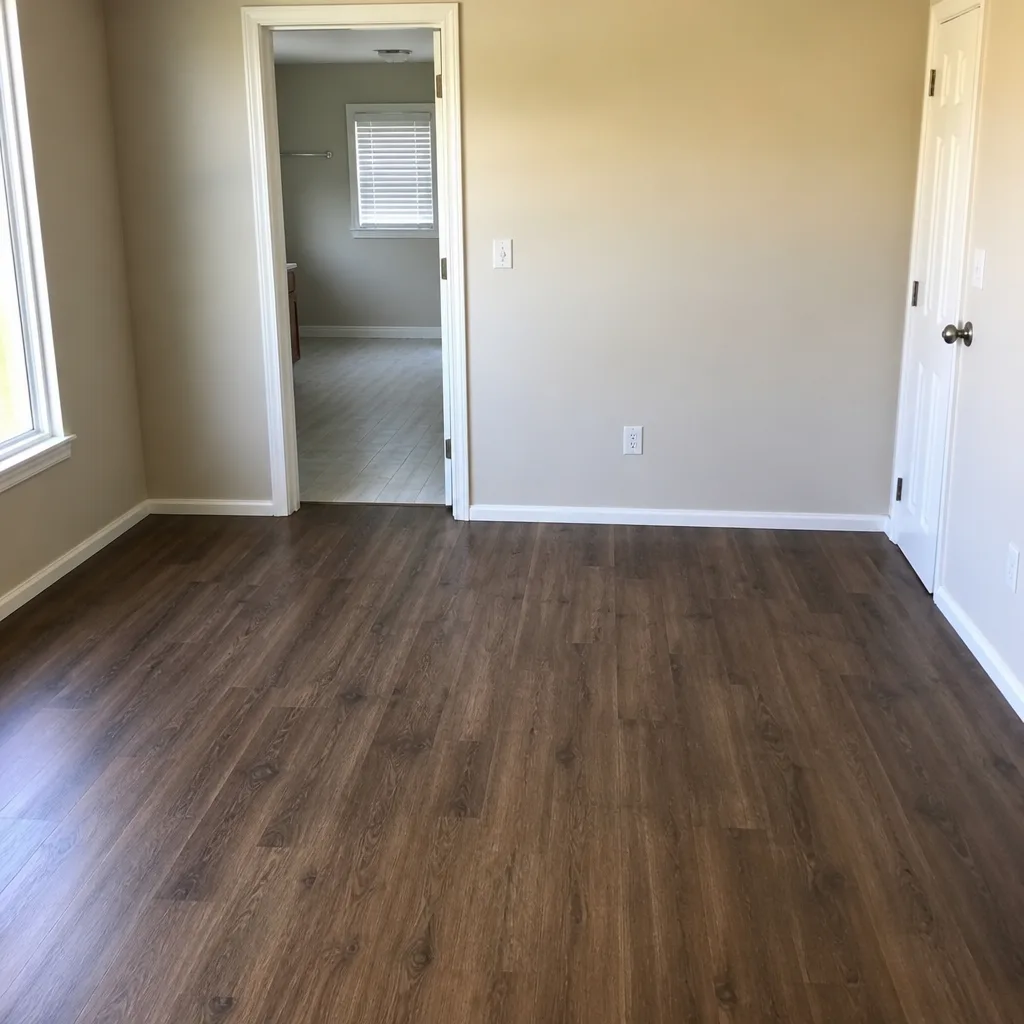 Sewage cleanup
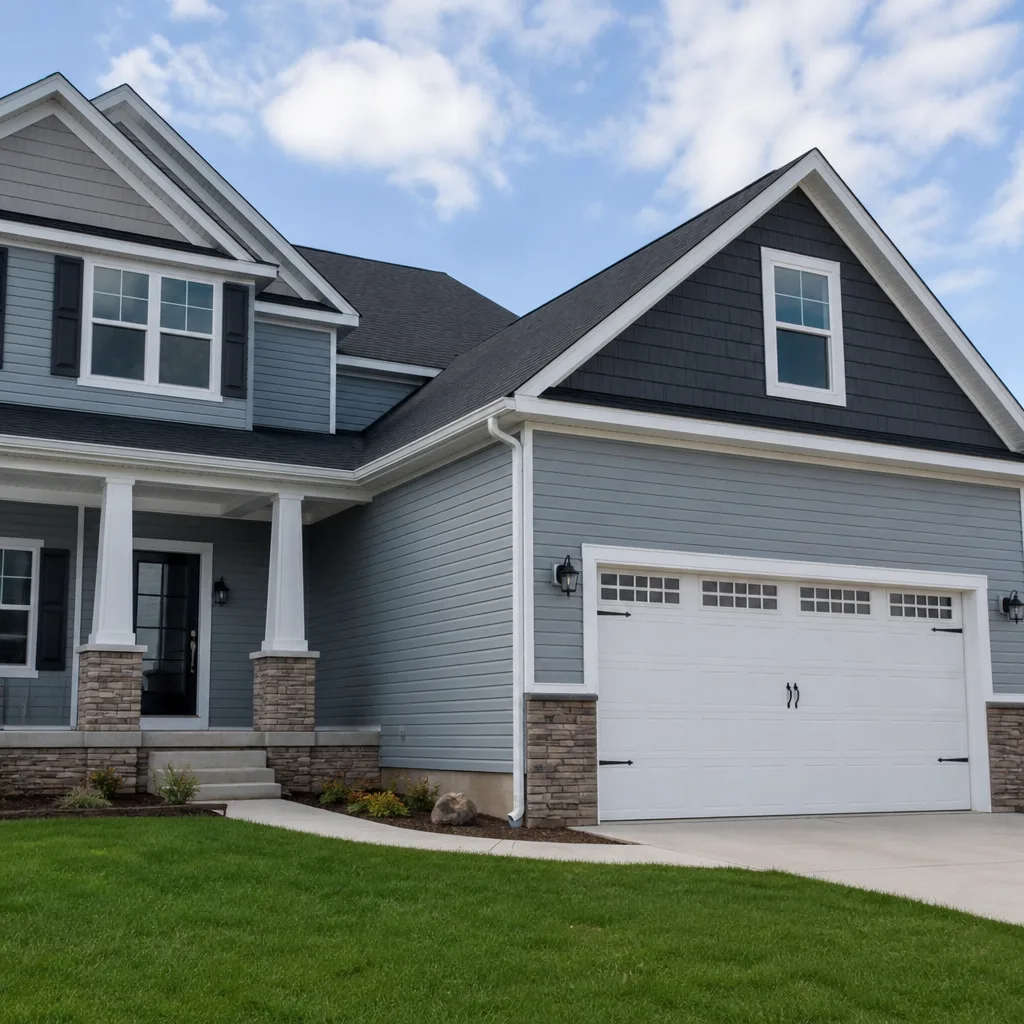 Reconstruction
Free visual inspection and a written scope of work before any mitigation begins - photos, moisture readings, and drying logs go in your claim file
The scope we write is the scope we bill. Anything new gets shown to you, in writing, before we touch it.
Get your free estimateFast, Reliable Water Damage Restoration Across San Antonio Heights
Water damage in San Antonio Heights rarely looks like it does in the flatland cities below. Here, a winter rain on burned slopes can send muddy water down Euclid Avenue and into ranch homes off 24th Street within hours. We respond to San Antonio Heights with commercial extraction and drying equipment already staged for the foothill conditions that define this community. If you’re standing in water right now, call (833) 589-7005. If you’re assessing the damage after the fact, read on and we’ll walk through what restoration actually involves up here.
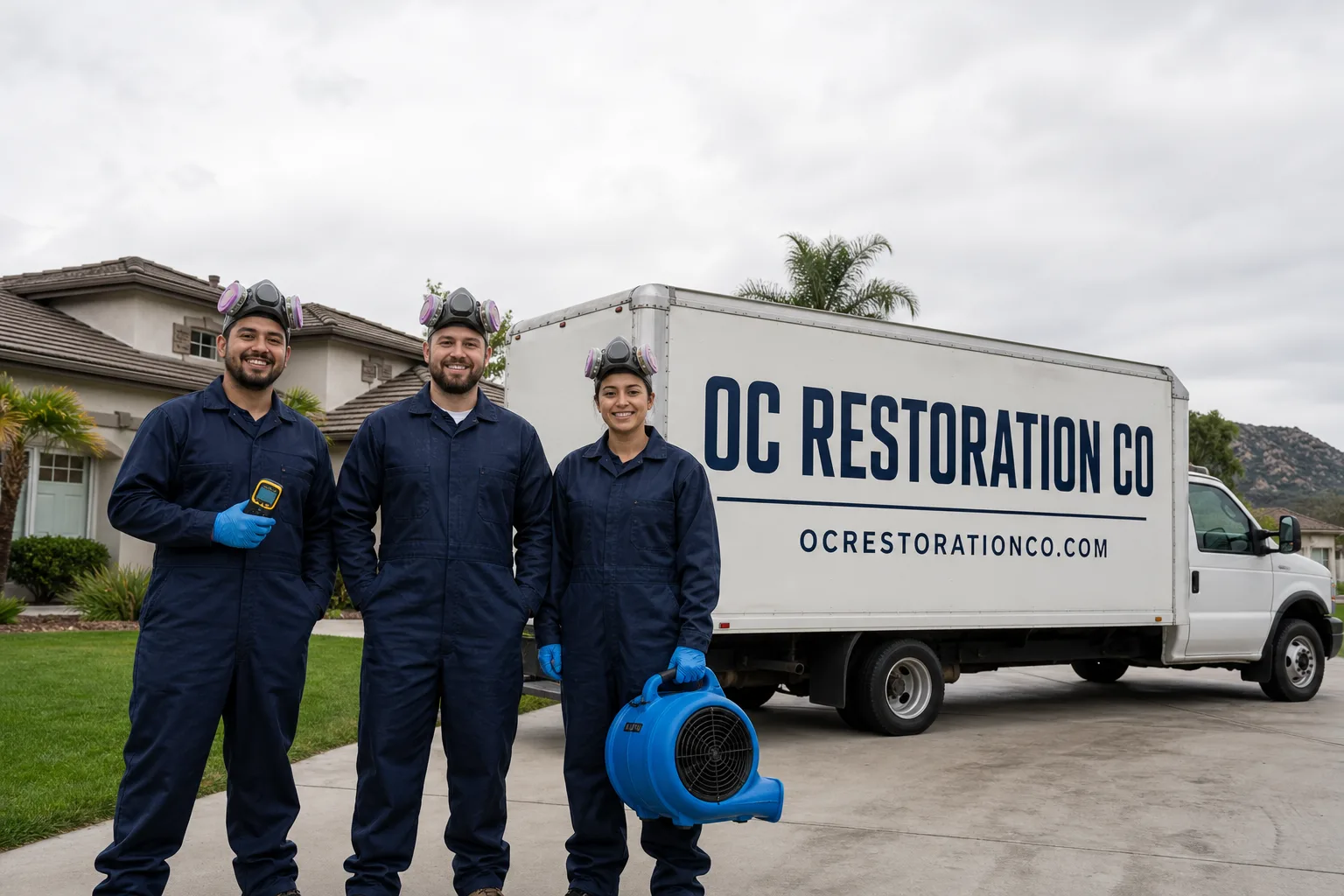
OC Restoration Co handles water extraction, structural drying, and the mold issues that follow when water sits too long. We’re IICRC-certified, we run Dri-Eaz and Phoenix equipment, and we know the difference between a plumbing leak and a debris flow feeding into your garage. That distinction matters more in San Antonio Heights than almost anywhere else in the Inland Empire.
Why OC Restoration Co Is San Antonio Heights’s Preferred Water Damage Restoration Company
San Antonio Heights homeowners tend to be self-reliant. Many handle their own maintenance, drive their own flood cleanup, and don’t call a contractor until the problem outgrows a shop vac. By the time we arrive, the water has usually been sitting for a day or two, and the damage has moved into drywall, subfloor, or the framing behind original mid-century plaster. We’re built for that. Our crews arrive with moisture meters, thermal imaging, and enough air movement to dry a 4,000-square-foot ranch addition in days, not weeks.
We’ve worked homes along the canyon-mouth streets below the San Gabriel burn scars, and we’ve seen what happens when a debris flow channels against a sloped-lot foundation. That local experience changes how we scope the job. We check the drainage path first, not just the visible water. Allen Burkhart, who leads OC Restoration Co, insists on that order of operations. It’s saved homeowners from repeat intrusion more than once.
Our response to San Antonio Heights is typically within 90 minutes for emergency extraction. Crews drive up from our base in Corona, which puts us closer than most restoration firms serving this foothill community. We stock consumables and drying equipment for the specific housing stock here: ranch homes, hillside custom builds, older wood-framed windows, and open-beam additions that need serious cubic-feet-per-minute airflow.
Restoration work we handle
Flood Damage Restoration in San Antonio Heights
Flood Damage Restoration in San Antonio Heights typically costs between $3,200 and $9,500 depending on the square footage affected, the water category, and whether demolition is required. That range reflects the reality of this community: sloped lots, canyon drainage, and homes where water doesn’t always come from where you’d expect. A clean water event from a burst supply line in a 1,200-square-foot room might run $3,200. A debris-flow intrusion carrying sediment and Category 2 or 3 water through a ranch home could push toward $9,500 once containment, antimicrobial treatment, and structural drying are factored in.
The first step here is always source control. In San Antonio Heights, that means checking whether the water came from inside the home or from hillside runoff. If the canyon mouth above you is carrying sediment, we address that before extraction, or you’ll be doing this again next storm.
Flash Flood and Debris Flow Response
After the 2022 Sheep Fire, a ranch home off one of San Antonio Heights’ canyon-mouth streets took in six inches of muddy runoff when a winter storm hit the burned slope above. Our crew used Dri-Eaz air movers and Phoenix dehumidifiers to dry the engineered hardwood, while moisture mapping revealed hidden saturation behind the original mid-century plaster. We extracted the Category 2 water, applied antimicrobial treatment to the studs, and provided drying logs showing the structure returned to pre-loss condition within five days, without a pack-out.
Sloped Lot Drainage and Foundation Intrusion
Hillside homes in the 91784 ZIP code face a specific failure mode: water channels against the uphill foundation wall and finds entry through cracks, vents, or old window wells. The fix isn’t just drying the interior. It’s documenting the drainage path and recommending the grading or diversion work needed to keep that water outside. We photograph everything for your insurance file.
Water Damage Cleanup in San Antonio Heights
Water Damage Cleanup in San Antonio Heights usually falls between $1,800 and $4,200 for a contained event like a dishwasher leak, a water heater failure, or a small roof leak. This is the work that happens before mold takes hold: extraction, removal of saturated baseboards or drywall, setting drying equipment, and monitoring moisture levels until the structure passes. In this climate, you have a narrow window. Hot, dry summers mean water evaporates fast, but it also pushes moisture into wall cavities where it lingers. Santa Ana winds complicate things further by spreading dust and spores into open rooms.
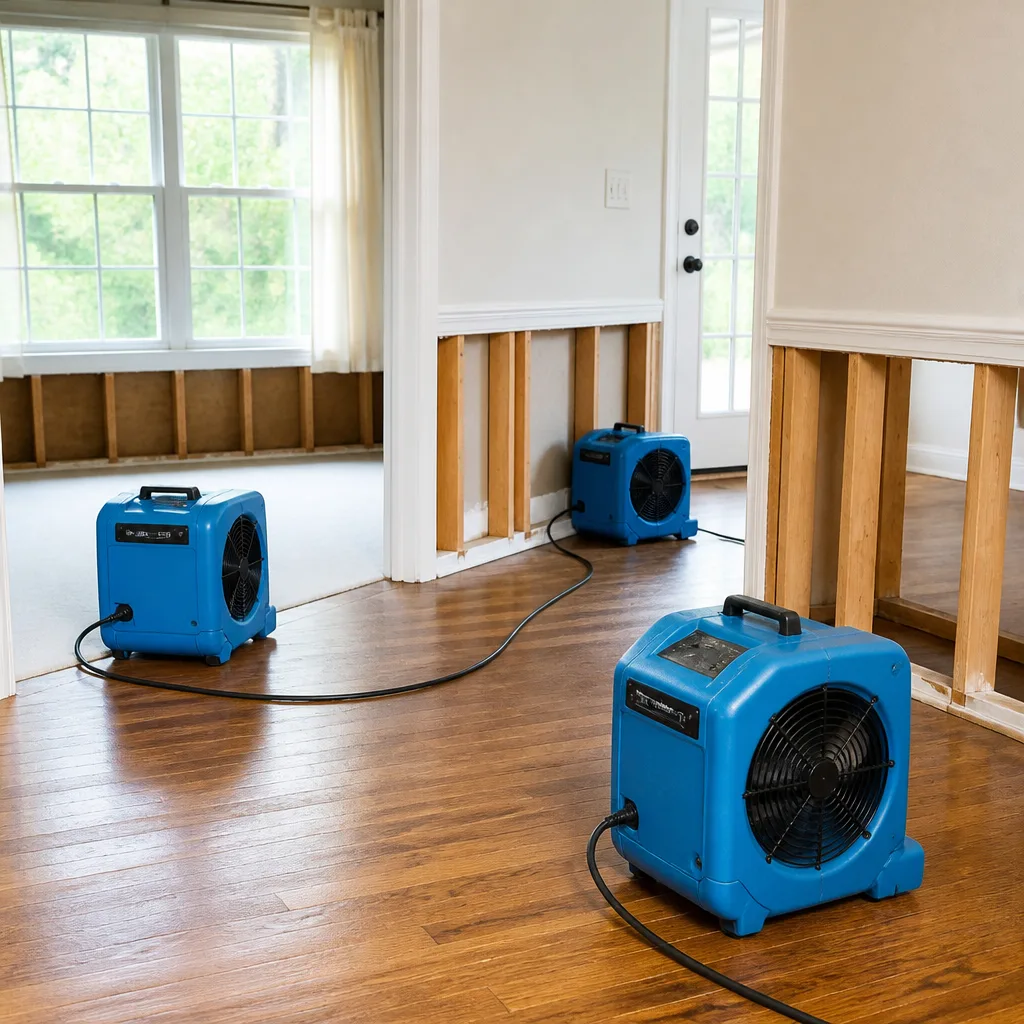
The cleanup phase is where our equipment matters. We run Phoenix dehumidifiers and Dri-Eaz air movers, the same units national restoration firms deploy. Not rental fans. Not box-store dehumidifiers. That’s the difference between a room that tests dry and a room that actually is dry.
Ranch Home and Addition Drying
San Antonio Heights has a lot of open-beam ranch additions with vaulted ceilings and large cubic footage. A consumer-grade air mover can’t move enough air to dry those spaces. Our Phoenix and Dri-Eaz units are sized for exactly this kind of construction, which is common across the foothill streets above Upland and Claremont. We calculate the drying chamber, set the equipment, and return daily until moisture meters confirm everything behind the walls and under the flooring is within range.
Older Home and Window Intrusion Cleanup
Many mid-century homes here still have original wood-framed windows that leak during wind-driven rain. When a Santa Ana blows rain sideways, those windows become entry points. We’ve seen water travel from a window sill down into a finished basement or crawlspace, saturating insulation and framing. Cleanup involves removing wet materials, treating any visible microbial growth, and drying the cavity before rehabilitation. The sooner we start, the less we cut out.
Trusted Brands We Service in San Antonio Heights
We maintain parts and equipment compatibility for the major brands found in San Antonio Heights homes and the restoration work we perform. Our drying fleet runs Dri-Eaz, Phoenix, and XPOWER. For structural drying inside walls and cavities, we use Injectidry systems, which let us dry framing without tearing out entire walls. It’s the same approach large national firms use, applied to the specific construction of foothill ranch homes and hillside custom builds. We keep a full stock of consumables so a San Antonio Heights job doesn’t stall waiting on filters, hoses, or antimicrobial treatments. IICRC-certified protocols guide every step, and our RIA and IFA affiliations keep us connected to industry standards and continuing education.
See the difference
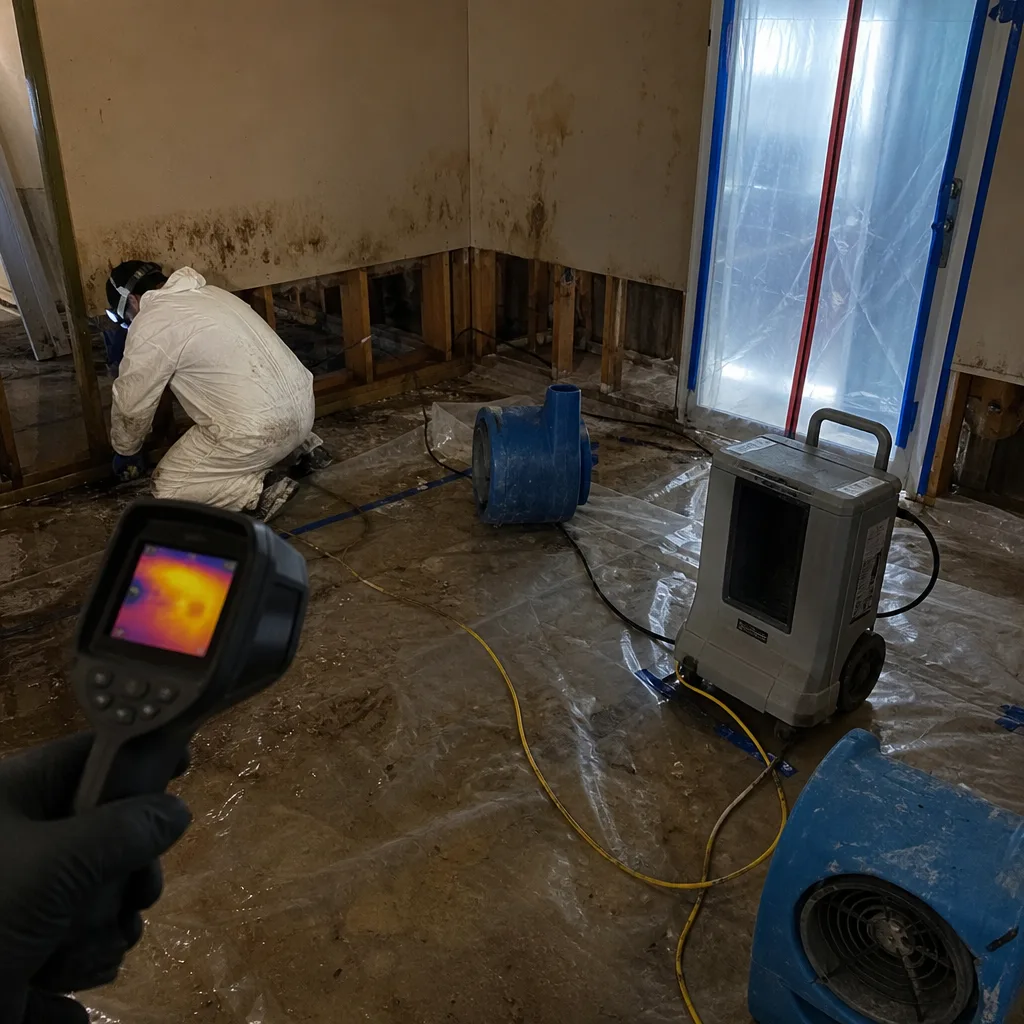 Before
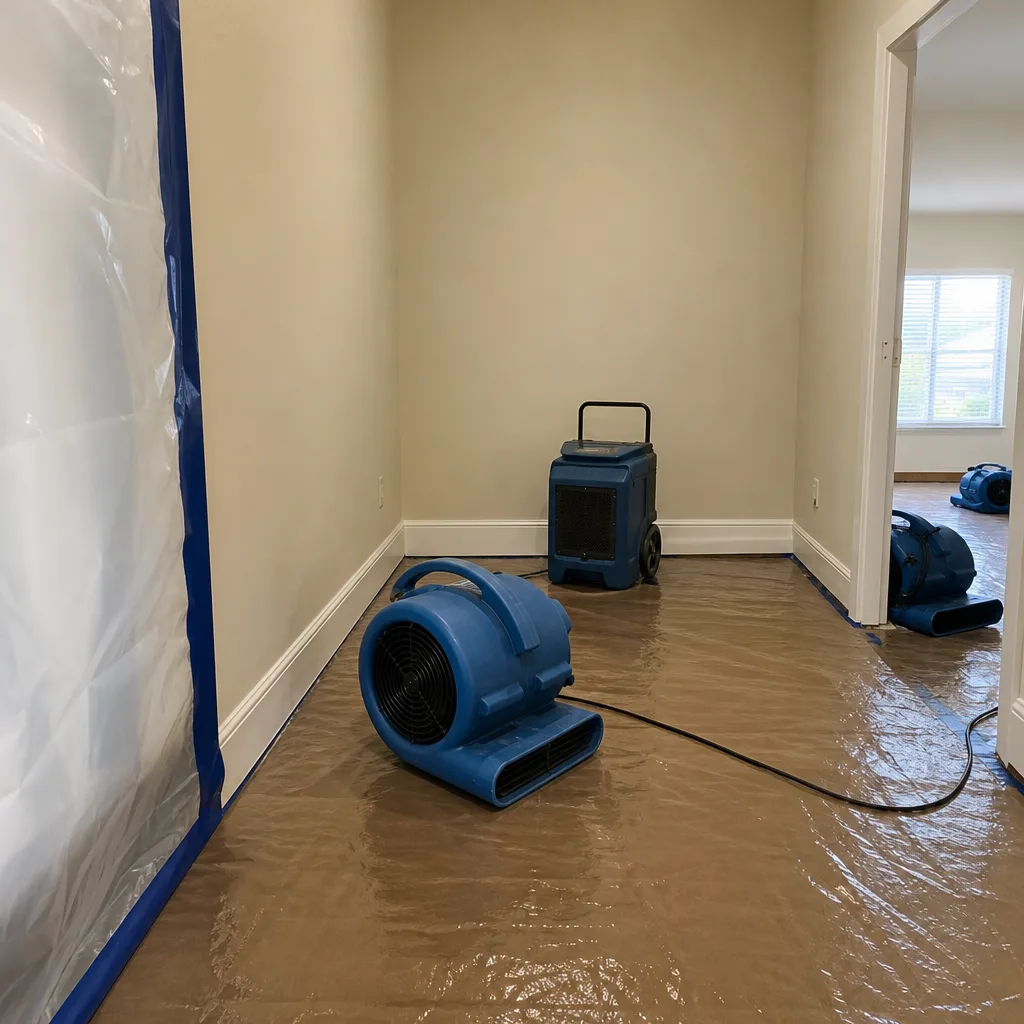 After
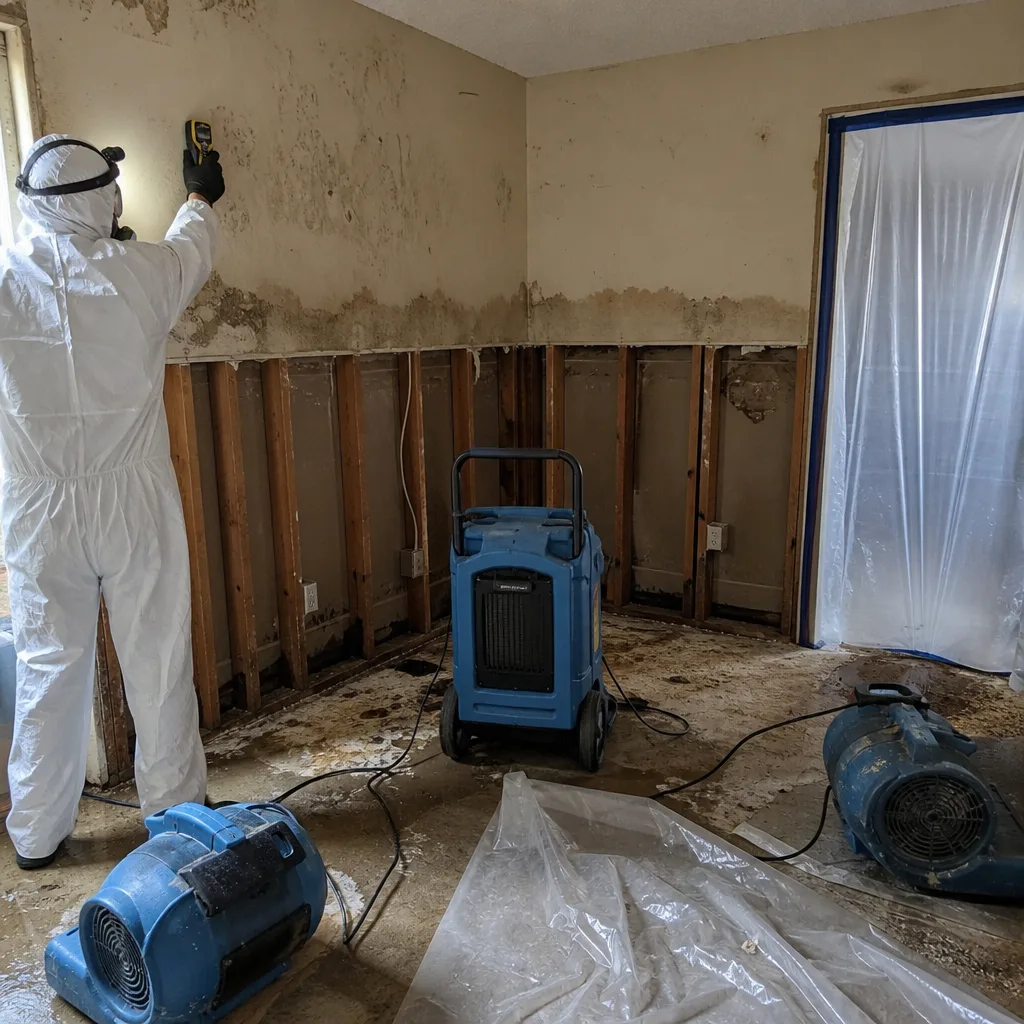 Before
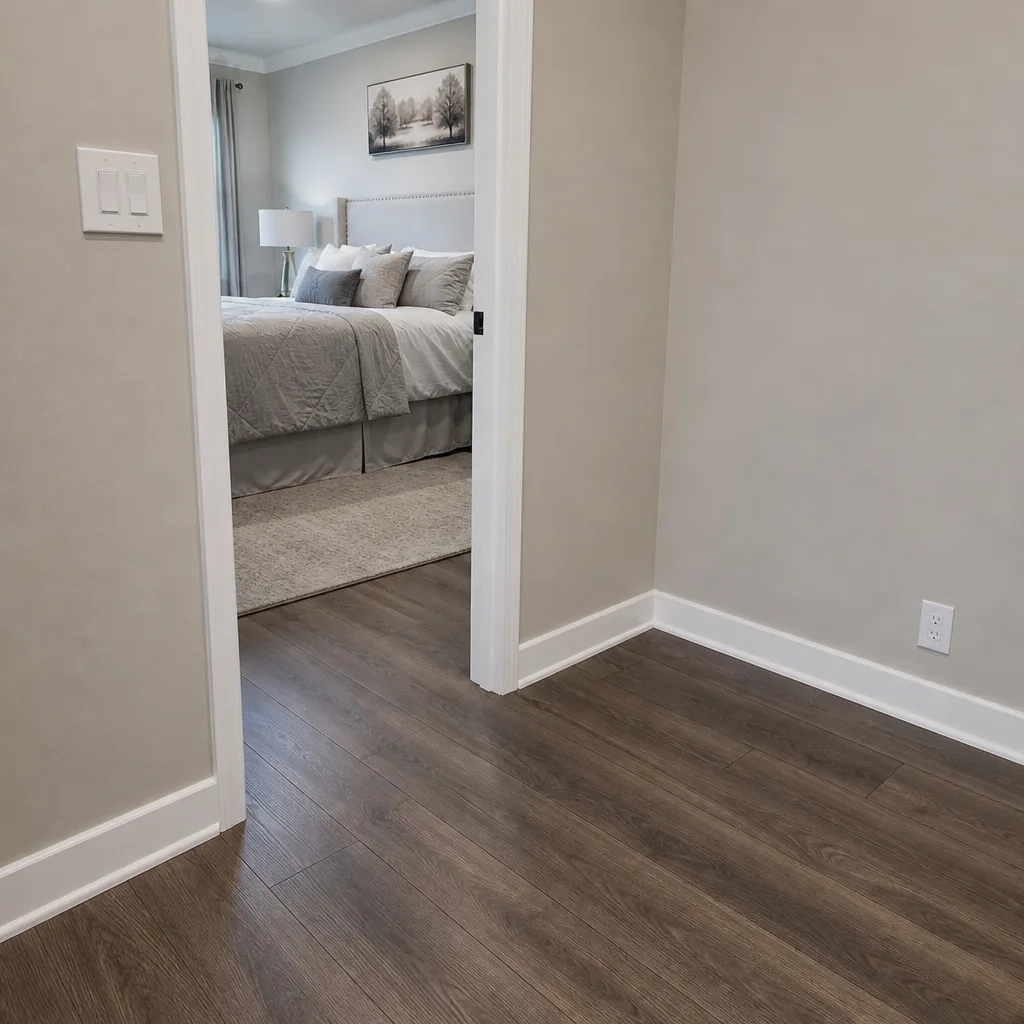 After
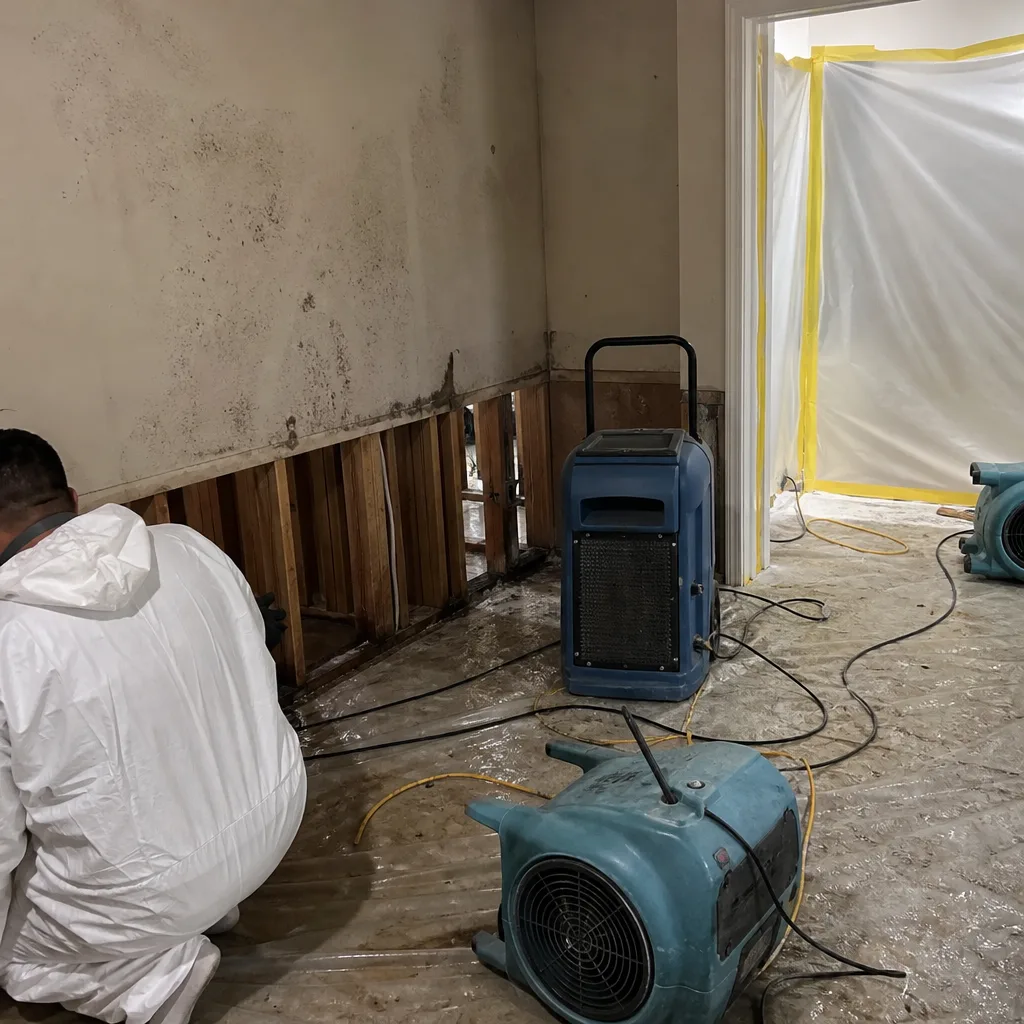 Before
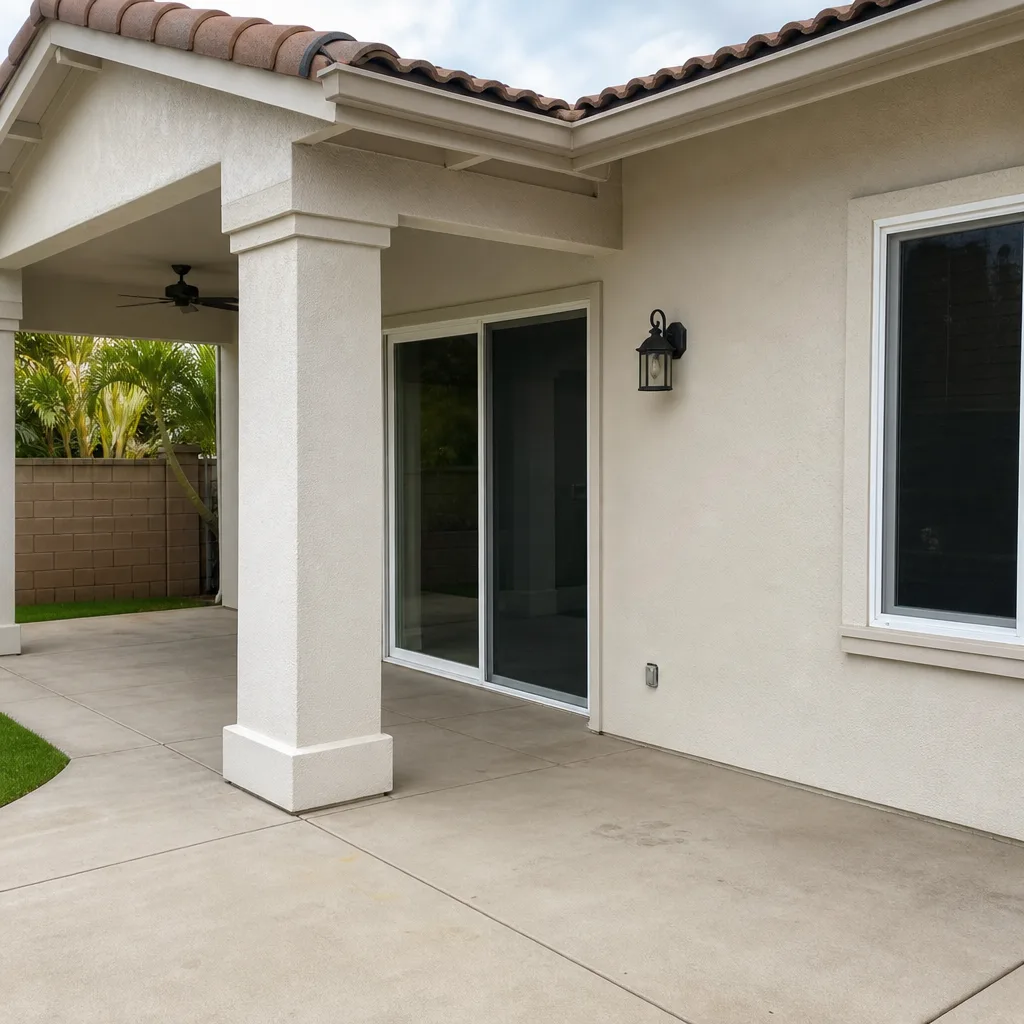 After
Common Water Damage Restoration Problems We See in San Antonio Heights Homes
- Hillside runoff channeling against foundations: Rain on burn scars above the community sends sediment-laden water down canyon mouths and against sloped-lot foundations. The water enters through cracks, vents, or old window wells, and the source is often misdiagnosed as a roof leak.
- Wood-framed windows leaking during Santa Ana-driven rain: Original mid-century windows on older ranch homes fail under wind-driven rain, letting water into wall cavities and finished spaces below. The damage hides behind plaster and drywall until mold or staining appears.
- Open-beam additions exceeding consumer-grade drying capacity: Vaulted ceilings and large open rooms hold cubic footage that box-store fans cannot dry. Homeowners lose days trying to dry these spaces themselves, and moisture readings stay elevated in concealed cavities until professional equipment arrives.
- Post-fire debris flows introducing Category 2 or 3 water: After the Sheep Fire, winter storms turned burned slopes above San Antonio Heights into muddy runoff that inundated homes near the canyon mouths. That water carries sediment, ash, and contaminants requiring antimicrobial treatment and full containment, not just extraction.
Pricing for Water Damage Restoration in San Antonio Heights, CA
Every job gets a written scope and a line-item estimate before we start. No handshake pricing. A typical emergency water extraction in San Antonio Heights runs $800 to $1,600. Structural drying with commercial equipment typically adds $1,200 to $3,000 depending on the square footage and the number of affected rooms. Antimicrobial treatment and containment, when needed after Category 2 or 3 water, falls between $600 and $2,000. Debris-flow cleanup with sediment removal can push higher, and we scope that work after seeing the extent of the intrusion. Estimates are free. Call (833) 589-7005 and we’ll come out, assess the damage, and put the numbers in writing.
We Also Serve Cities Near San Antonio Heights
If you’re in San Antonio Heights or any of the surrounding foothill and valley communities, we can help. OC Restoration Co provides Water Damage Restoration across Upland, Claremont, Rancho Cucamonga, and Montclair. Same protocols, same equipment, same documented process.
Serving San Antonio Heights, CA — Our Local Coverage Area
We’re based in the San Antonio Heights area and know this community well. Use the map below to see our service coverage — if you’re nearby, we can almost certainly help.
FAQs About Water Damage Restoration in San Antonio Heights
The burn scars in the San Gabriel Mountains above San Antonio Heights create a fire-then-flood cycle that changes how we approach every water job. When rain hits burned slopes, it generates debris flows and muddy runoff that carries ash and sediment into homes near the canyon mouths. That water is almost always Category 2 or 3, meaning it requires containment, antimicrobial treatment, and full drying documentation. We check the drainage path and canyon conditions before extraction, because missing the debris-flow source leads to repeat intrusion. If your home took on water after a storm, call (833) 589-7005 and we’ll assess the actual source, not just the visible damage.
Category 1 is clean water from a supply line or water heater. Category 2 contains significant contamination, like washing machine overflow or water that has sat long enough to grow bacteria. Category 3 is grossly contaminated, like sewage backup or debris-flow runoff carrying ash, soil, and animal waste. In San Antonio Heights, the post-fire debris flows that come down Euclid Avenue and other canyon-mouth streets are almost always Category 2 or 3. Those jobs require different protocols: fuller containment, antimicrobial treatment, and more aggressive material removal. We document the category on every job for your insurance file.
Mold can establish within 24 to 48 hours on wet drywall, insulation, or wood in San Antonio Heights. The semi-arid climate actually works against you here: surface water evaporates fast, but the moisture pushes into cavities and concealed spaces where mold grows undisturbed. Older wood-framed homes with original plaster and large windows are especially vulnerable. If water has been sitting for more than a day, we recommend professional assessment with moisture meters and thermal imaging. If you see staining or smell something musty, call (833) 589-7005 for a free evaluation. We can tell you whether you’re dealing with contained water damage or the early stages of a mold problem.
Yes, and sloped lots are actually one of the most common conditions we work on in San Antonio Heights. The challenge with hillside construction is that water channels against the uphill foundation and enters through cracks, vents, or old window wells. We map the drainage path, extract the water, dry the structure with commercial equipment sized for the cubic footage, and document the intrusion source. In some cases we recommend grading or diversion work to prevent recurrence. We’ve restored water damage in hillside homes throughout the 91784 ZIP code, and every job gets a written scope before we start.
Yes. Every San Antonio Heights restoration job includes daily moisture readings, drying logs, photo documentation, and a final report showing the structure returned to pre-loss condition. Insurance adjusters and property managers rely on that documentation to process claims accurately. We work directly with your adjuster, share our readings transparently, and document every step from extraction through antimicrobial treatment to final clearance. If you’re mid-claim and need a restoration partner who can hand your adjuster a complete file, call (833) 589-7005. We’ll walk you through what documentation your specific claim will require and start the process today.
Written by Allen Burkhart, Owner at OC Restoration Co, serving San Antonio Heights and surrounding foothill communities with IICRC-certified water damage restoration.