Last updated October 31, 2026
 Water damage drying
 Fire & smoke cleanup
 Mold remediation
 Storm response
 Sewage cleanup
 Reconstruction
Free visual inspection and a written scope of work before any mitigation begins - photos, moisture readings, and drying logs go in your claim file
The scope we write is the scope we bill. Anything new gets shown to you, in writing, before we touch it.
Get your free estimateDamage Restoration Warning Signs: A Corona Homeowner’s Reference Guide
Most Corona homeowners don’t miss the warning signs of water, fire, or mold damage. They see them, shrug, and file them under “old house stuff” or “that’s just how it is.” The musty smell most people associate with mold typically doesn’t appear until a colony is already 10-21 days old and well-established – by which point remediation costs have often doubled compared to what early intervention would have cost. Over hundreds of inspections across Corona, from the older ranch homes near downtown to newer builds in Horsethief Canyon and Sycamore Creek, we’ve learned that damage rarely announces itself with a bang. It whispers. This guide covers what to look for, what it means, and when a small tell becomes a structural problem.
Restoration work we handle
Quick Answer
The clearest warning signs of active or recent damage in a Corona home are: persistent musty or sulfurous odors, white mineral deposits (efflorescence) on concrete or block walls, hardwood floors that cup, crown, or buckle, unexplained spikes in your water bill, and hairline cracks that widen or change direction. Any of these, alone or combined with visible staining or peeling paint, warrants a professional assessment within days – not months – because Corona’s expansive clay soil and hot, dry summers accelerate the damage cycle once moisture is involved. If you’re weighing whether to handle it yourself, our DIY vs Professional Damage Restoration: The Corona Homeowner’s Decision Guide can help.
Table of Contents
- Settling Cracks vs. Moisture-Driven Cracks: Reading Corona’s Clay Soil
- Efflorescence: The White Powder That Proves Water Has Been Moving
- The Six-Point Smell Map: What Each Odor Tells You
- Flooring Tells: Cupping, Crowning, and Buckling in Hardwood
- Sudden Water Bill Spikes and Pressure Drops: Structural Indicators in Disguise
- Hidden Mold: Where It Grows in Corona Homes and Why You Don’t See It
- Fire and Smoke Residue: The Damage You Can’t Paint Over
- Common Mistakes to Avoid
- When to Call a Professional
- Frequently Asked Questions
- The Bottom Line
Settling Cracks vs. Moisture-Driven Cracks: Reading Corona’s Clay Soil
Corona sits on some of the most expansive clay soil in Riverside County. This matters more than most homeowners realize. Expansive clay absorbs water and swells, then shrinks as it dries – and in Corona’s climate, with its long dry season punctuated by sudden winter rains, that cycle repeats every single year. Your foundation moves with it. Most of the time, the movement is uniform enough that you’ll never notice. But when moisture concentrates in one area – from a broken irrigation line, poor drainage, or a plumbing leak – the soil under one section of the slab swells while the rest stays put. That differential movement is what produces the cracks that should worry you.
Settling cracks are typically hairline (under 1/16 inch), vertical or near-vertical, and they appear at the corners of windows and doors. They don’t change much year to year. They’re the house stretching. In Corona’s older neighborhoods near Circle City, you’ll find these in nearly every home built before 1990, and they’re usually benign.
Moisture-driven cracks behave differently. Look for these warning signs:
- Diagonal cracks that run at roughly 30 to 45 degrees from the corner of a door or window frame, wider than a hairline
- Stair-step cracking along mortar joints in block walls or brick veneer, where cracks follow the grout line instead of cutting through the brick itself
- Cracks that widen at the top or bottom, indicating the slab is tilting rather than settling uniformly
- Cracks that reopen after you’ve patched and painted them within the same year
- Horizontal cracks in any stem wall or retaining wall, which indicate lateral soil pressure from saturated ground
The distinction matters because the fix is completely different. Settling cracks get caulk and paint. Moisture-driven cracks signal an active water problem that will continue moving the soil until the source is addressed. In our experience with Corona properties, the most common culprit is a slow supply-line leak under the slab or an irrigation valve that seeps water directly against the foundation. Neither is visible on the surface. The crack is the first physical clue, and by the time it appears, water has been tracking through the soil for weeks or sometimes months.
Efflorescence: The White Powder That Proves Water Has Been Moving
Efflorescence is that chalky white deposit you sometimes see on concrete floors, block walls, or exposed foundation. Most Corona homeowners mistake it for paint overspray or harmless dust. It’s neither. Efflorescence forms when water moves through concrete, block, or masonry, dissolving mineral salts inside the material. When that moisture reaches the surface and evaporates, it leaves the salts behind as a white crystalline crust. The deposit itself is not dangerous. What it proves is that water has been traveling through the material – and that’s the part that matters.
Think of efflorescence the way a doctor thinks of a low-grade fever. The fever isn’t the disease. It’s evidence that something is wrong beneath the surface. The white powder on your garage floor isn’t the problem. The moisture source pushing through the concrete is. We see this regularly in Corona garages, especially after the winter rainy season, when groundwater rises against slabs and wicks upward through the concrete. But we also see it around interior block walls in split-level homes where a plumbing line inside the wall cavity has been seeping undetected.
Here’s what the appearance and location can tell you:
- Fine, powdery, bright white deposits on a concrete floor usually indicate capillary action – moisture wicking up from below the slab. This is common in Corona homes built on lower-lying lots or near seasonal drainage channels.
- Crusty, thick, crystalline growth on a block wall suggests a more consistent moisture source, often a plumbing leak inside the wall or ground saturation against the exterior.
- Efflorescence that returns after you clean it is the strongest indicator of an active, ongoing water problem. One-time deposits may be historical. Recurring deposits prove active moisture movement.
- Efflorescence paired with paint bubbling or coating failure on the same wall means the moisture is persistent enough to compromise finishes, not just evaporate.
The diagnostic move is not to scrub the powder and hope. It’s to find where the water is coming from before it damages what you can’t see. The right professional moisture survey will include a moisture meter reading on the affected surface and a plan to trace the source, whether that’s a leaking pipe, rising ground moisture, or exterior grading issues. You can learn more about how this fits into the broader service picture on the Water Damage Restoration in Fallbrook page, which covers the same diagnostic approach we apply throughout the region.
The Six-Point Smell Map: What Each Odor Tells You
Smell is the most underused diagnostic tool in home maintenance. Odors don’t lie. They don’t require tools. And they’re almost always the first sign of a problem that hasn’t produced visible damage yet. In Corona’s summer heat, which regularly pushes past 95 degrees in July and August, the elevated indoor temperature compounds the problem – volatile organic compounds from mold, bacteria, and even smoke residue release far more readily in warm air. What you’re smelling is amplified by the heat. Here’s a walk through the six distinct smells that signal damage, what each one means, and the rooms where you’re most likely to encounter them.
- Musty or earthy odor – Basement, ground-floor closet, bathroom, or anywhere with a history of water intrusion. This is the classic mold and mildew signature. If you smell it consistently (not just occasionally), an active colony is almost certainly present. The smell is from microbial volatile organic compounds (MVOCs) released as mold grows. By the time your nose registers it, the colony has been growing for at least ten days.
- Sulfur or rotten-egg odor – Bathroom, kitchen, laundry room, or near floor drains. This is sewer gas, which means a drain trap has run dry, a vent line is blocked, or there’s a break in a waste pipe. Sewer gas is not just unpleasant; it can contain hydrogen sulfide, which is harmful at sustained concentrations. This is a plumbing and potential water damage issue, especially if the pipe break is inside a wall cavity.
- Sharp, chemical, or ammonia-like smell – Anywhere with recent water damage that was dried slowly. This is often bacteria breaking down organic matter – the beginning of microbial growth that precedes visible mold. If you smell this in a room that had a leak three weeks ago, assume the drying was incomplete.
- Charred or smoky odor that persists – Living room, kitchen, or garage after a fire event, even a small one. Smoke particles are microscopic and embed in porous materials: drywall, carpet, upholstery, wood framing. If you can smell it weeks after a kitchen fire or candle mishap, the residue has penetrated surfaces and can’t be cleaned by ordinary means. It requires professional fire damage restoration – which is exactly what we cover on our Fire Damage Restoration in Fallbrook page.
- Hot, acrid, or fishy smell near outlets or the panel – Any electrical area. This indicates overheating components, failing insulation, or an electrical arc. The smell may be intermittent. Never ignore it. It’s a fire hazard, and it’s the one odor on this list that calls for an electrician before a restoration contractor.
- Damp basement or crawlspace smell that worsens in summer – Crawlspace, attic, or any unconditioned space. This is humidity-driven microbial growth on structural wood. Corona’s dry-season humidity is low, but any enclosed space with a moisture source (a leaking pipe, poor ventilation) creates its own microclimate. What you’re smelling is wood framing slowly accumulating moisture and microbial buildup.
One smell map alone covers more diagnostic ground than any single visual inspection. Learn your home’s baseline smell – the way it smells when clean and dry – so you notice deviations early.
Flooring Tells: Cupping, Crowning, and Buckling in Hardwood
Hardwood floors are excellent moisture reporters. They expand and contract with changes in humidity, and when moisture is introduced unevenly, the wood deforms in predictable, readable ways. Most Corona homeowners notice a floor issue and think “old house” or “bad installation.” But the pattern of the deformation tells you exactly where the moisture is coming from and roughly how long it’s been active. Here’s how to read the three most common tells:
Cupping is when the edges of individual floorboards rise higher than the center, creating a concave shape across each board. The wood has absorbed moisture from below – the underside of the board is more swollen than the top. In Corona, we see cupping most often on ground-floor wood over slab when groundwater is wicking through the concrete, or after a supply-line leak underneath the floor. It can also appear when the indoor humidity is high and the underside of the floor (over a crawlspace) is pulling moisture from the soil. Cupping indicates a moisture source below the floor. It may flatten out partially once the moisture is resolved, but severe cupping is often permanent.
Crowning is the opposite: the center of each board rises higher than the edges, creating a convex curve. This usually appears after someone has tried to fix cupping by sanding the floor too soon – before the moisture content in the wood has equalized. The boards cup first, get sanded flat while still swollen, and then crown when the edges dry out and shrink below the newly flat top surface. If you see crowning, someone has already attempted a repair. The moisture issue may or may not be fully resolved.
Buckling is the most severe. The boards physically lift off the subfloor, creating raised ridges or even detached floor sections. This happens when the expansion pressure exceeds what the fasteners can hold, and it almost always means a significant water event: a slab leak, a foundation saturation from poor exterior drainage, or a major spill that went undetected. By the time a floor buckles, the water problem has been active for days, not hours. We’ve seen buckling in Corona homes weeks after the original leak, as the wood slowly absorbed moisture until it reached its expansion limit.
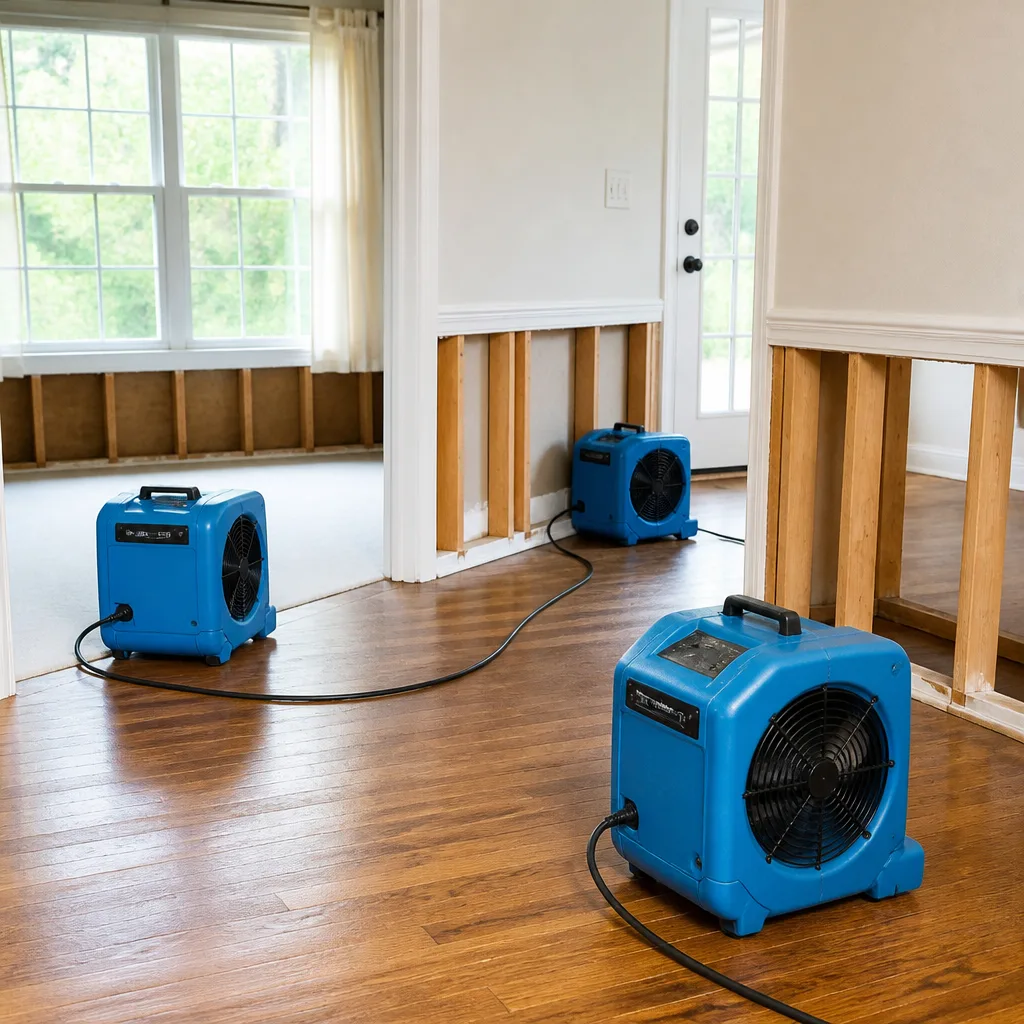
The diagnostic move when any of these appear is a moisture meter reading on the floor and the subfloor. That tells you whether the moisture source is still active or historical. If the meter reads elevated, the water problem is ongoing and needs to be found and stopped before any floor repair makes sense. This is where professional-grade equipment matters. A consumer moisture meter reads surface and near-surface moisture. The meters we use – paired with the broader drying approach of professional restoration, rather than a homeowner guessing – distinguish between surface moisture and deep subfloor saturation, which tells you where the water is and whether the floor can be dried or must be replaced. For a deeper look at how we approach these situations, the OC Restoration Co home page outlines our full diagnostic and restoration process.
Sudden Water Bill Spikes and Pressure Drops: Structural Indicators in Disguise
Most Corona homeowners treat a high water bill as a budgeting annoyance and a pressure drop as a plumbing inconvenience. We treat both as structural damage indicators, because a leak that shows up in your bill or pressure is a leak that’s been running long enough to affect the system. The question isn’t whether the leak exists. It’s where it’s been going while you were unaware. If you’re seeing a bill spike of 20% or more with no corresponding change in usage, or a pressure drop in multiple fixtures, you may already have hidden water damage.
Why a bill spike means structural risk. A leak inside a wall cavity, under a slab, or in a crawlspace can run for weeks or months before it becomes visible. Every day it runs, it’s saturating whatever surrounds it. If the leak is under a slab foundation, it’s changing the moisture content of the expansive clay soil beneath your home – which in Corona’s soil conditions can trigger the differential movement described above. If it’s inside a wall cavity, it’s feeding mold growth and rotting framing. A running toilet in the guest bathroom is a nuisance. In Corona, a 30% bill increase over two consecutive months has, in our experience, more often than not traced back to a slow leak in a wall or under the floor.
Why pressure drops matter. A sudden, persistent pressure drop across multiple fixtures usually indicates a breach somewhere in the supply line. That breach is leaking water somewhere – possibly under pressure and possibly into a building cavity. If you notice both a pressure drop and a higher bill, the leak is substantial. If you notice a pressure drop but a normal bill, it may mean the leak is small or on the hot side only.
What to do if you spot either indicator:
- Check your water meter when no water is running in the house. If the low-flow dial is turning, you have a leak.
- Compare your last six months of bills. Corona’s winter usage is normally lower than summer. A winter spike is a stronger signal than a summer one.
- Check exterior hose bibs and irrigation lines for visible dampness. These are the most common leak points in Corona’s dry climate because UV and heat degrade washers faster.
- If the meter is turning and nothing is visible, the leak is hidden – inside a wall, under a slab, or in the crawlspace. Call for a professional moisture assessment rather than waiting for visible damage.
A hidden leak is a structural problem wearing a plumbing costume. By the time it becomes visible as a stain or a crack, the damage has already spread. The bill spike is your early warning.
Hidden Mold: Where It Grows in Corona Homes and Why You Don’t See It
Visible mold is never the whole story. When you see mold on a surface, there is almost always more behind it – in the wall cavity, under the baseboard, beneath the flooring. Mold grows where moisture and organic material coexist in a dark, low-airflow environment, which is exactly what the inside of a wall cavity provides. In Corona, the specific risk profile is shaped by two local factors: the dry exterior climate, which concentrates any moisture intrusion into enclosed spaces rather than allowing it to evaporate, and the age and construction style of the housing stock, which includes many slab-on-grade homes where moisture can rise unseen.
The most common hidden mold locations we find in Corona homes include:
- Behind baseboards and drywall after any plumbing leak, even one that was “minor” and dried quickly. The visible patch may have dried, but the wall cavity may not have.
- Inside wall cavities beneath windows, especially older single-pane windows in Corona’s pre-1990 homes, where failed flashing or worn seals channel rainwater into the wall.
- Under vinyl or laminate flooring over concrete slabs. Moisture wicking through the slab has nowhere to go when it’s trapped under non-breathable flooring, and the result is a mold colony concealed under your feet.
- In the attic on the underside of roof sheathing, particularly in homes where bathroom fans vent into the attic instead of to the exterior. That’s a code violation, but we still see it in older Corona neighborhoods.
- Inside HVAC ducts and air handlers, especially in unconditioned attics where condensation forms in the summer heat.
- On the back side of drywall that shares a wall with a shower or tub, where failed grout or a failed waterproofing membrane has allowed water to penetrate behind the tile.
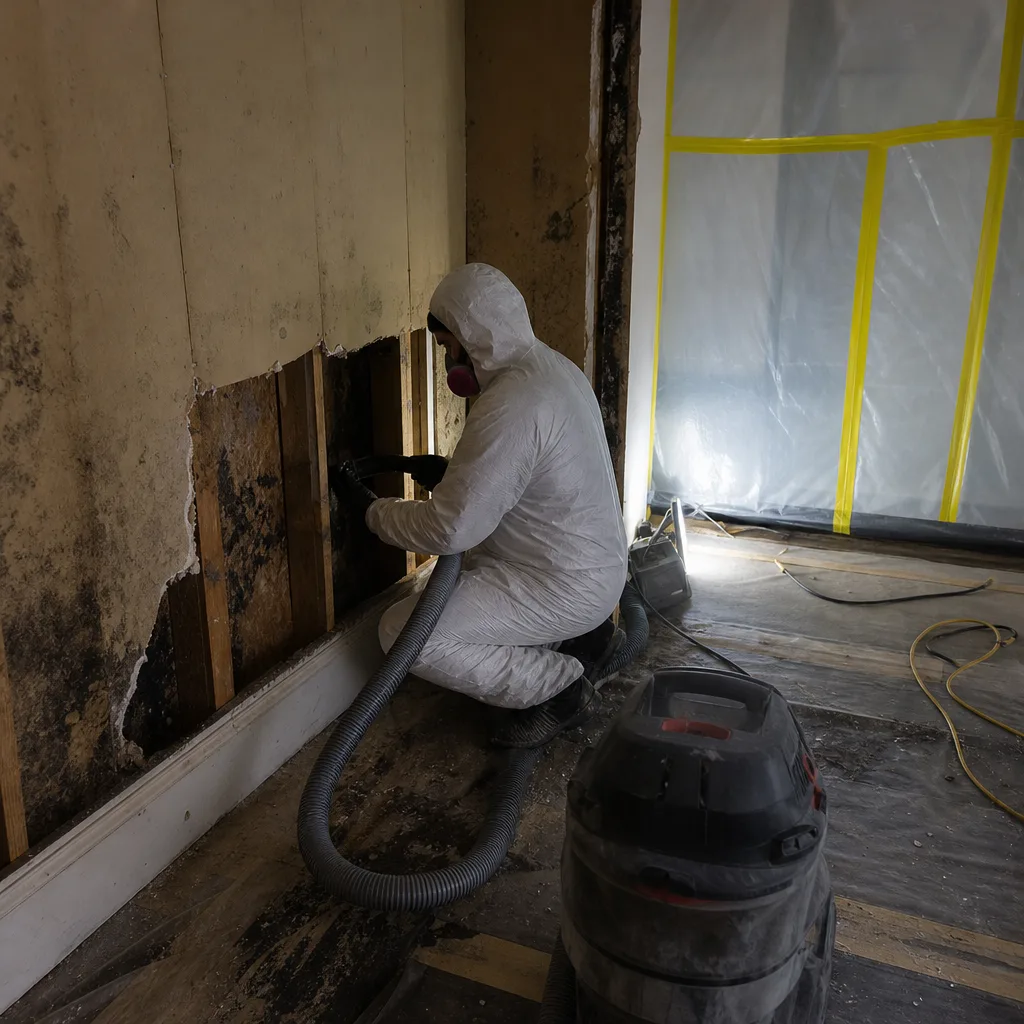
The telltale signs of hidden mold are smell (the musty odor described in the smell map above), persistent allergy symptoms that improve when you leave the house, visible staining on drywall or ceilings with no obvious source, and condensation that never seems to clear despite running the AC. If you smell mold but can’t see it, do not tear into the wall yourself. Disturbing a hidden colony releases a concentrated burst of spores that can make the air quality worse than the original problem. A professional assessment with moisture meters and, where appropriate, air sampling is the safe diagnostic path. The Mold Remediation in Fallbrook page describes our full remediation protocol, which is the same approach we take in Corona: find the moisture source, contain the affected area, remove the contaminated material, and verify clearance with post-remediation testing.
Fire and Smoke Residue: The Damage You Can’t Paint Over
Even a small kitchen fire or a fire that was mostly contained to one room produces smoke residue that extends far beyond the visible burn area. Smoke particles are microscopic, electrically charged, and capable of penetrating deep into porous materials: drywall, wood framing, carpet padding, fabric, insulation. What most homeowners discover weeks after a fire is that the smell comes back. Fresh paint, new drywall on the damaged area, a thorough cleaning – and the odor still returns when the house warms up or when humidity changes. That’s because the residue has been sealed into materials you couldn’t see or reach.
Smoke residue is not just a smell problem. It’s a chemical contamination problem. The residue is acidic, and left in place, it corrodes metal fixtures, etches glass, and permanently discolors paint and finishes. On drywall and porous wood, it bonds with the surface. Cleaning it properly requires the right chemistry and equipment, and in many cases, removal of the most saturated materials. This is not a do-it-yourself repaint situation. In fact, painting over smoke-damaged drywall without sealing or removing the contaminated layer is one of the most common mistakes we correct. The paint fails within months because the residue underneath prevents proper adhesion.
In Corona’s warm climate, the issue is amplified. Heat causes thermal expansion in building materials, which opens microscopic pores and releases trapped smoke odor molecules. A house that smelled fine after a February fire will often start to smell again in July, not because the cleaning failed, but because the heat unlocked residue that had been dormant in the walls. If you’ve had a fire – even a small one – and the smell returns in warm weather, the cleaning was incomplete.
The professional restoration path involves: identifying all affected materials, not just the visibly burned ones; using professional-grade equipment for air scrubbing and odor removal; cleaning or removing contaminated porous materials; and verifying odor elimination with a third-party or post-remediation assessment. Our Fire Damage Restoration in Fallbrook approach applies the same IICRC-based protocols we use in Corona – documented, methodical, and designed for adjuster review.
Common Mistakes to Avoid
- Painting over efflorescence or water stains. Paint seals in the problem, traps moisture in the wall or slab, and almost always fails within a year. The moisture source remains active beneath the fresh coat.
- Cleaning visible mold with bleach and calling it done. Bleach does not kill mold on porous surfaces; it bleaches the color while leaving the colony alive and feeding on the now-wetter material. The mold colony is larger behind the surface than what you’re seeing.
- Ignoring a crack because “it’s been there for years.” The question isn’t how long the crack has existed. It’s whether it’s changing. A crack that now widens, lengthens, or shows new staining was stable until it wasn’t.
- Assuming a small fire means a small cleanup. Smoke travels. The residue is in rooms you never entered during the fire. If you don’t address it comprehensively, the smell returns in Corona’s summer heat.
- Using a rental dehumidifier after a water leak and assuming the problem is solved. Rental-grade equipment is not designed for structural drying. The surface dries; the wall cavity does not. Hidden moisture remains, and mold follows.
- Calling a general contractor instead of a restoration specialist for water damage. A general contractor builds. A restoration contractor dries, remediates, and documents. The protocols are different, and the insurance claim process favors the documented, protocol-driven approach.
- Waiting to see if a problem “gets worse” before calling. By the time visible damage worsens, the invisible damage has already compounded. In Corona’s soil conditions, a small leak under the slab can become a foundation movement issue before you see a stain.
When to Call a Professional
Call a professional when the warning signs indicate active moisture, hidden growth, or structural movement – or when the damage is extensive enough that documentation matters for a future insurance claim. Specific triggers: a musty smell you can’t source, efflorescence that reappears after cleaning, cracks widening or changing direction, hardwood deformation, a water bill spike that doesn’t resolve after checking visible fixtures, or smoke odor that returns in warm weather. Call immediately if you see visible mold covering more than about ten square feet, if water has been running inside a wall or under a slab, or if water from a leak has wicked into drywall or flooring. These are not wait-and-see situations. If you need help choosing a contractor, read our How to Hire a Damage Restoration Contractor in Corona: A Step-by-Step Guide. OC Restoration Co offers free estimates in Corona – call (833) 589-7005 to schedule an assessment. The worst outcome is a small problem that became expensive because it was ignored for a few weeks.
Frequently Asked Questions
A crack is serious if it is wider than 1/8 inch, diagonal, or getting longer or wider over time. Hairline vertical cracks near door and window corners are usually settling and benign. Diagonal cracks, stair-step cracks in block, and horizontal cracks in stem walls indicate differential soil movement from moisture – which is an active water problem, not a cosmetic one. Corona’s expansive clay soil makes this more common than in many other Southern California cities.
Efflorescence means water has been moving through your concrete slab and evaporating at the surface, leaving mineral salts behind. It proves a moisture source exists below or behind the concrete. Recurring efflorescence after cleaning indicates an active, ongoing moisture problem. Call (833) 589-7005 for a professional moisture assessment if you see recurring white deposits.
No. Bleach does not kill mold on porous surfaces like drywall and wood; it bleaches the surface color while leaving the colony alive beneath. The visible mold is almost always a fraction of the total colony. Disturbing it releases spores. Professional mold remediation follows containment, removal, and clearance testing protocols that protect your indoor air quality.
Heat releases volatile organic compounds from mold, bacteria, and smoke residue more readily. If you smell mustiness only when Corona temperatures rise, the microbial growth may be dormant and intermittently active, or the odor may be trapped in materials that release it under thermal expansion. Both point to an unresolved moisture or contamination issue that needs professional assessment.
Most homeowner policies cover sudden and accidental water damage, including hidden leaks that show themselves later. Some policies have exclusions for “long-term” or “gradual” damage, which is exactly why documentation matters. A professional restoration firm with a documented, protocol-driven process produces the moisture readings, photo records, and scope documents that adjusters need. That’s how restoration should work.
For water-related signs – bill spikes, efflorescence, flooring deformation, musty smell – act within days. Mold colonies establish within 10 to 21 days of a moisture event. For electrical smells, act immediately. For smoke odor returning months after a fire, schedule an assessment as soon as you notice it. Early intervention is the single biggest factor in controlling restoration costs.
The Bottom Line
Corona’s soil, climate, and housing stock create a specific damage profile. Expansive clay translates small leaks into big foundation movements. Hot, dry summers trap moisture inside wall cavities where it feeds mold you can’t see. Warm weather releases smoke residue that a cold-weather paint job can’t contain. The warning signs are all readable if you know what each one means: the crack geometry, the white powder, the specific odor, the floor deformation, the water bill that doesn’t match your usage. None of them should be explained away. None of them improve with waiting. If you’ve spotted one or more of these tells in your Corona home, call (833) 589-7005 for a free estimate, or explore more guides & resources on our blog. We’re an IICRC-certified restoration firm, working with Dri-Eaz and Phoenix equipment, and we’ve been serving the Corona area since 2017.
Written by the team at OC Restoration Co, serving Corona since 2017.
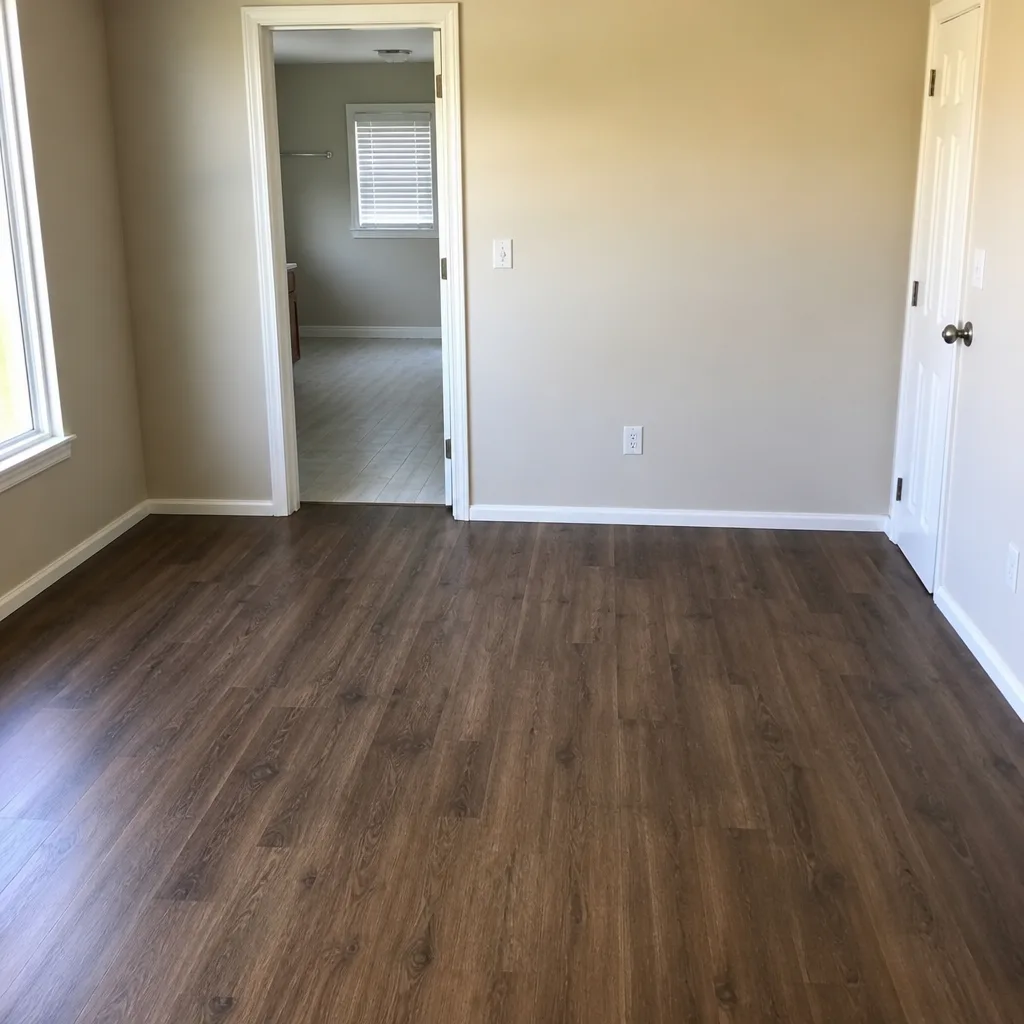
See the difference
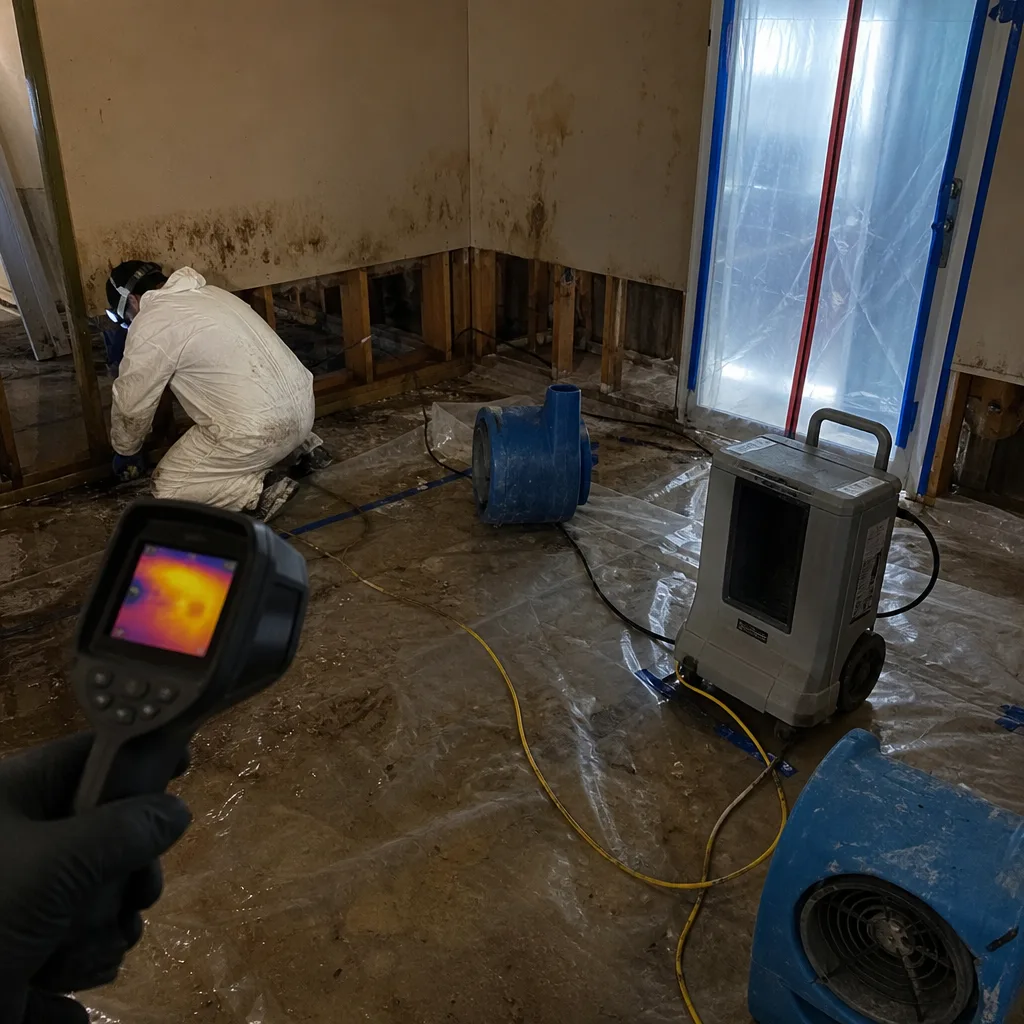 Before
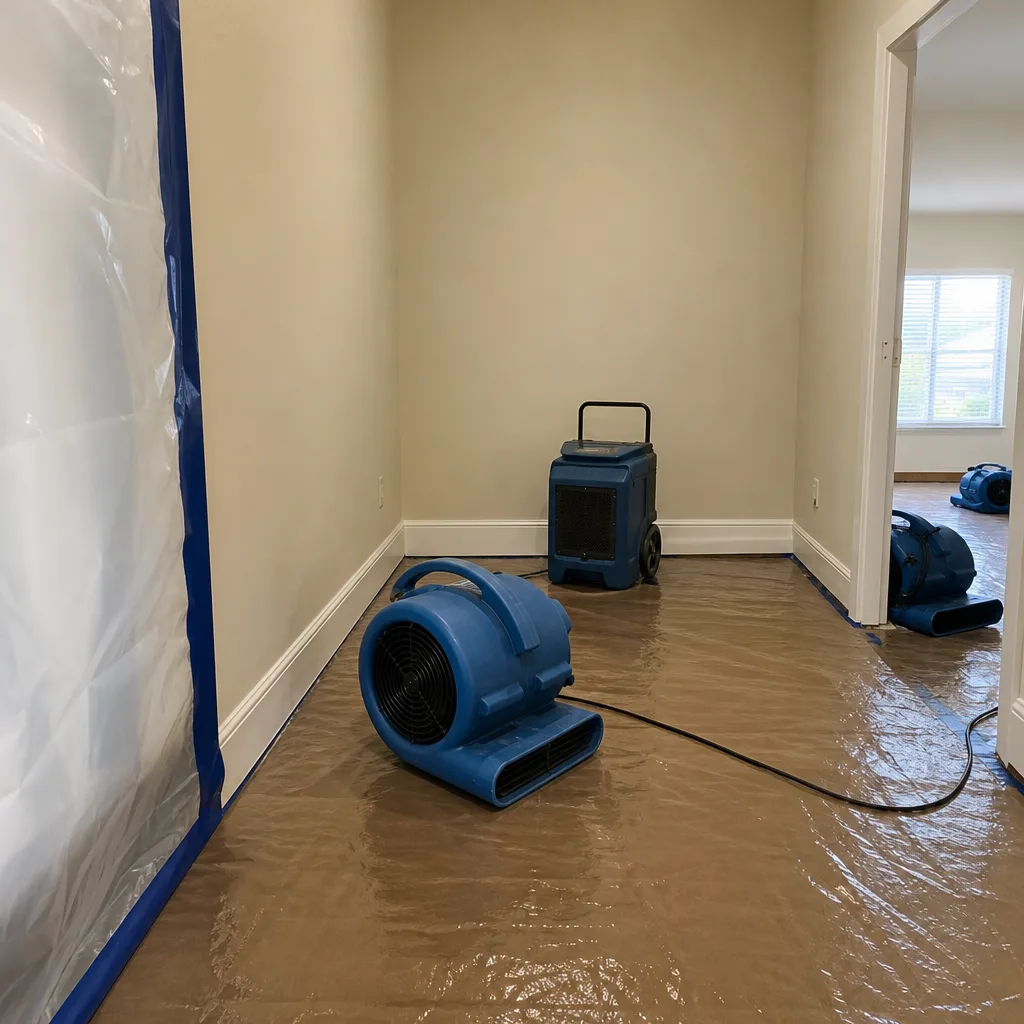 After
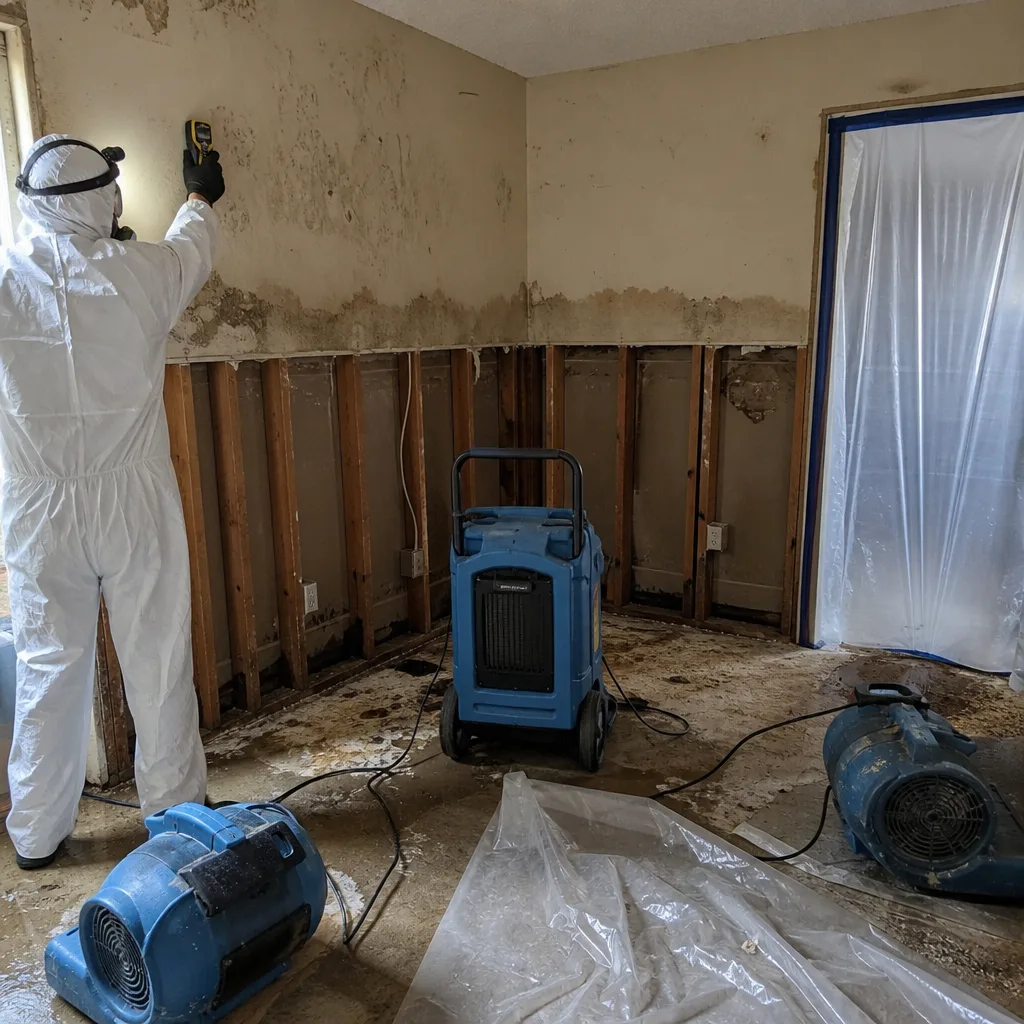 Before
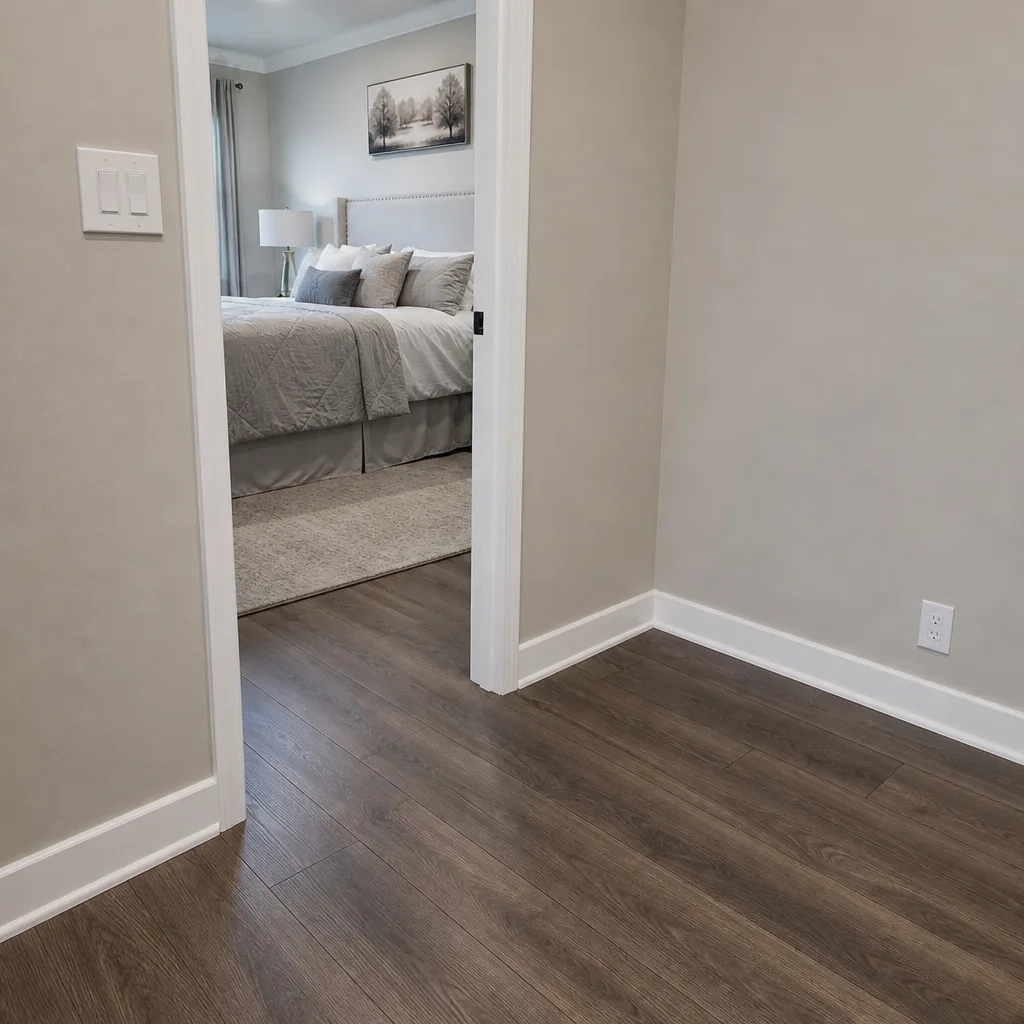 After
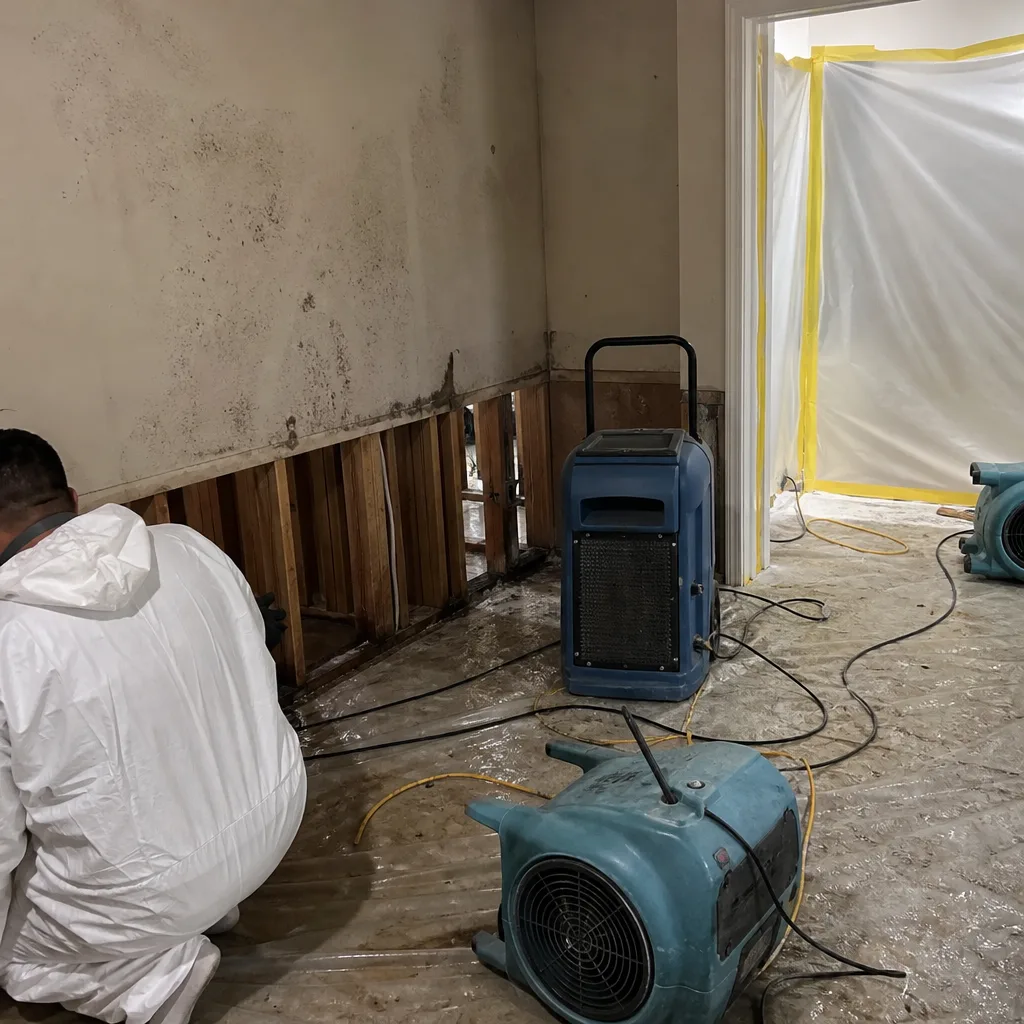 Before
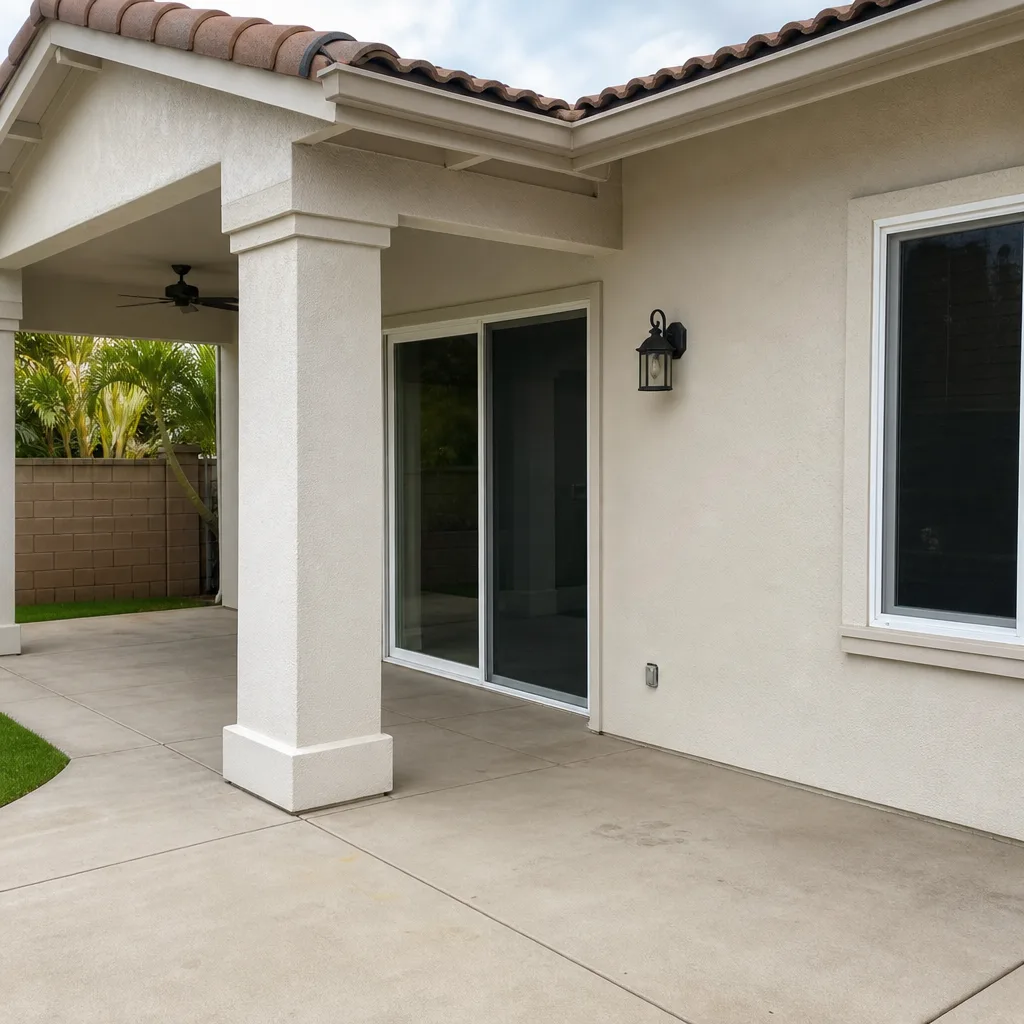 After