
Last updated October 31, 2026
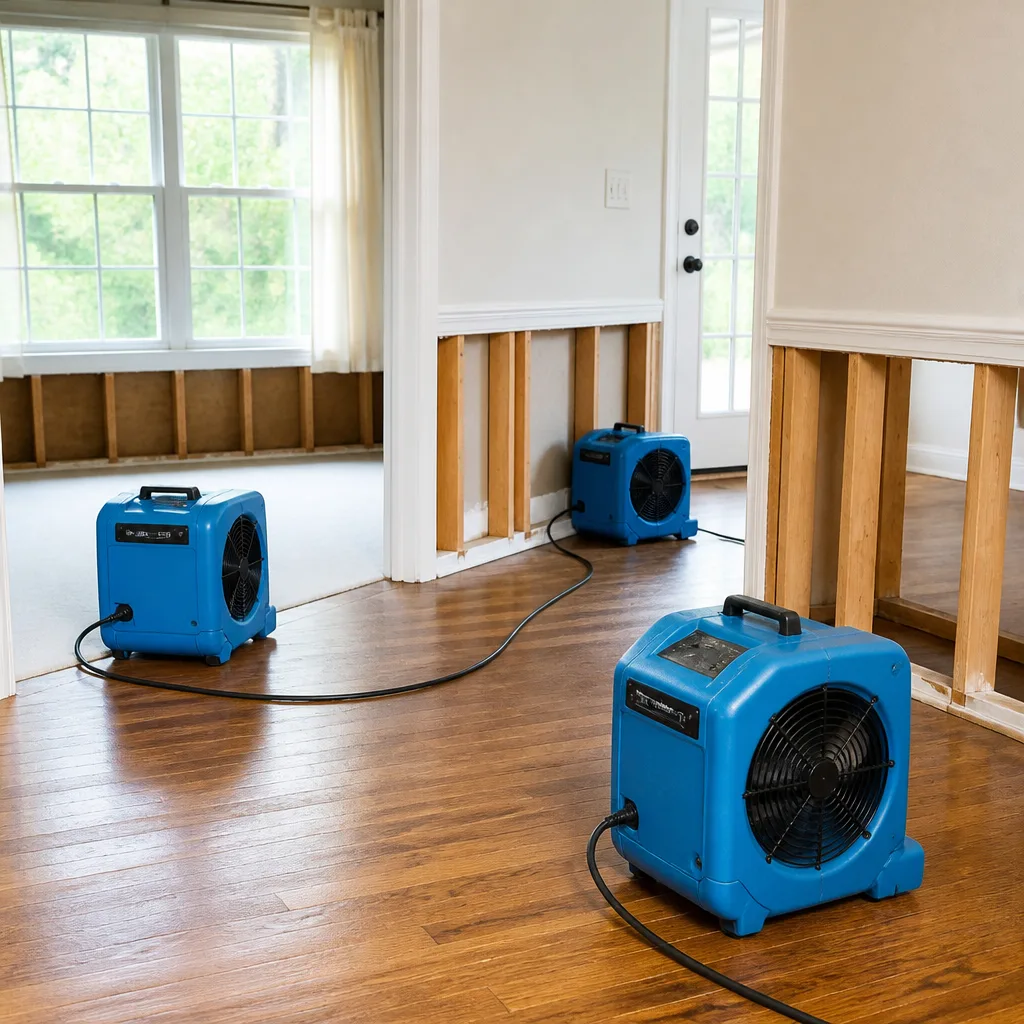 Water damage drying
 Fire & smoke cleanup
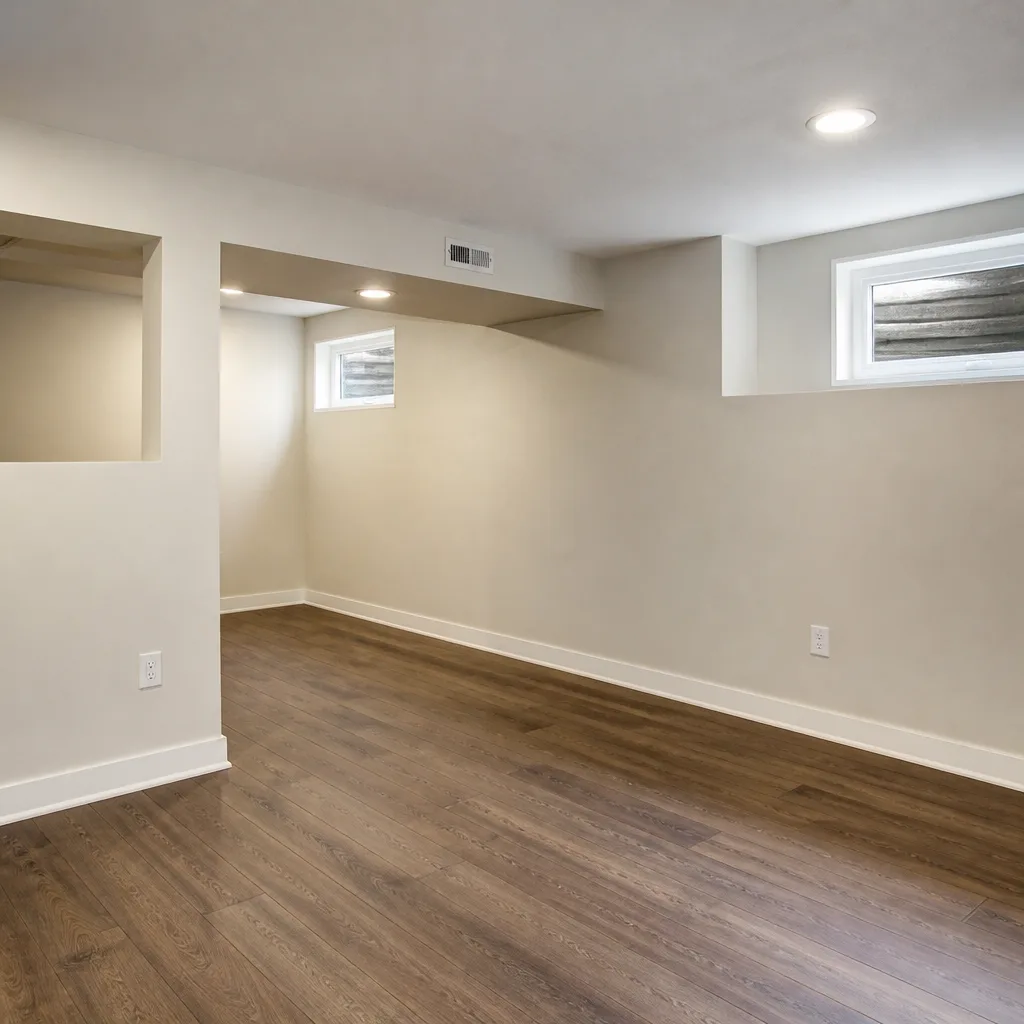 Mold remediation
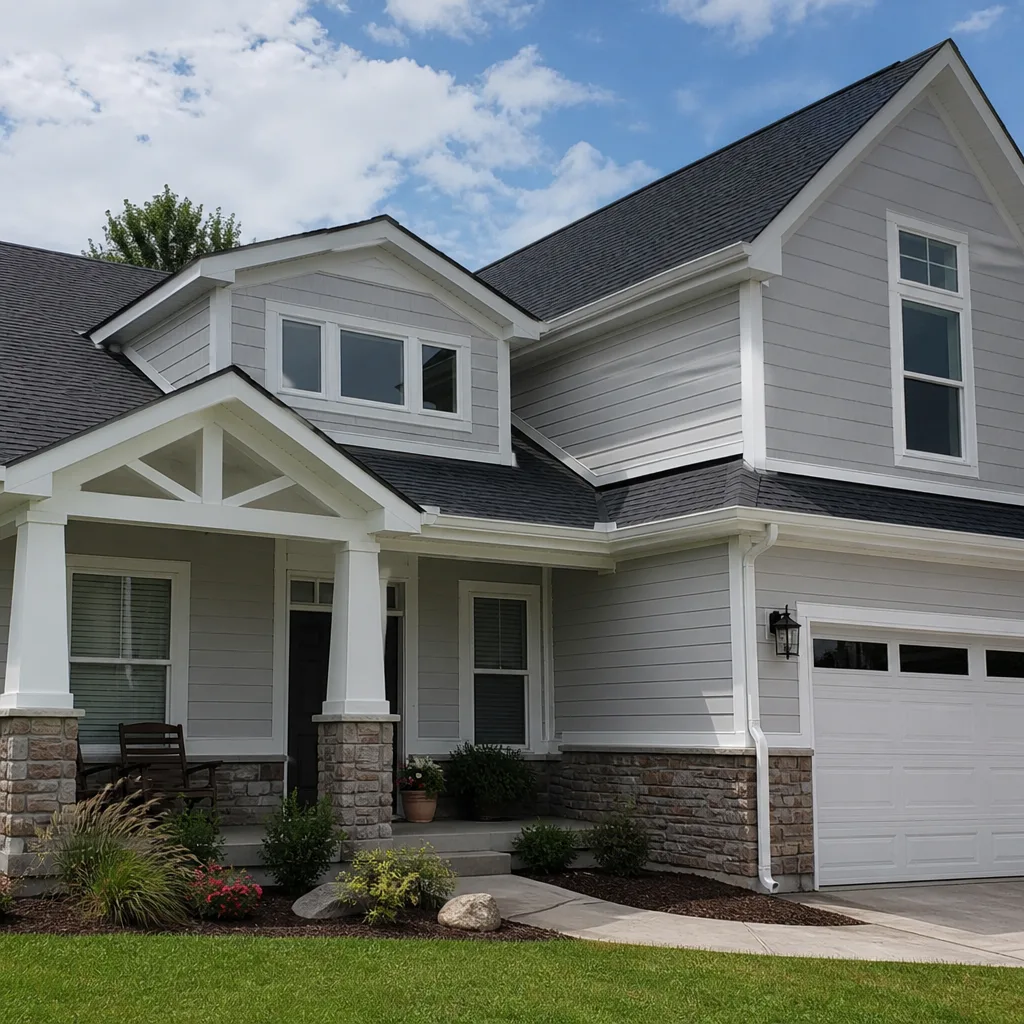 Storm response
 Sewage cleanup
 Reconstruction
Free visual inspection and a written scope of work before any mitigation begins - photos, moisture readings, and drying logs go in your claim file
The scope we write is the scope we bill. Anything new gets shown to you, in writing, before we touch it.
Get your free estimateHow to Hire a Damage Restoration Contractor in Corona: A Step-by-Step Guide
After a declared disaster, unlicensed contractors increase in targeted areas by an estimated 300%. Corona homeowners who can verify three specific credentials in under 10 minutes will never end up with one of them. This guide walks you through the exact hiring process we recommend to our neighbors and insurance partners: what to check before you sign anything, how to read an estimate line by line, the questions that expose a storm-chaser in 30 seconds, and the contract language that protects your claim rights in California. For more guides & resources, visit our blog. You’ll leave with a repeatable checklist you can use the next time you get a knock on the door from someone offering “free roof inspections” after a storm.
Quick Answer
To hire a damage restoration contractor in Corona, verify three credentials first: IICRC certification, an active California Contractor’s License (Class B or C-36/C-20), and liability insurance with a minimum threshold appropriate to the job. Then get a written, line-item estimate that matches the scope of your damage, ask the contractor to name their equipment brands, and check references specifically for insurance-claim jobs before signing any agreement. A legitimate firm will welcome all of these checks and complete them in a day; a storm-chaser will stall on at least one.
Restoration work we handle
Table of Contents
- Step 1: Verify the Three Credentials That Matter
- Step 2: Check the California Contractor’s License
- Step 3: Read the Estimate Line by Line
- Step 4: Ask What Equipment Is on the Truck
- Step 5: Review the Contract Before Signing
- Step 6: Check References for Insurance Claims
- Step 7: Understand How Insurance Claims Work in Corona
Step 1: Verify the Three Credentials That Matter
When a pipe bursts at 2 a.m. and water is spreading across your Corona living room floor, the temptation is to call the first number that answers. That instinct is exactly what storm-chasers and unlicensed operators count on. The good news: verifying the three credentials that separate a legitimate restoration firm from a fly-by-night takes about 10 minutes, and every credible contractor will hand them over without hesitation.
The first credential is IICRC certification. The Institute of Inspection, Cleaning and Restoration Certification is the restoration industry’s most recognized credentialing body. IICRC-certified technicians have been trained to documented standards – for water damage, those standards come from the S500 guide; for mold, the S520. When you ask a contractor whether their crew is IICRC-certified, the answer should be an unqualified “yes” followed by the name of the certified technician assigned to your job. Vague answers like “we follow industry best practices” or “our guys are trained in-house” are red flags. IICRC-certified restoration means the people setting up drying chambers and taking moisture readings have passed standardized exams on the exact protocols your insurance adjuster expects to see.
The second credential is an active California Contractor’s License. In Corona, as anywhere in California, any contractor performing work over $500 must hold a license issued by the Contractors State License Board (CSLB). For restoration work, you’re looking for a Class B General Building license or a specialty license such as C-36 (Plumbing) or C-20 (HVAC) depending on the scope. We’ll cover how to verify this in the next section.
The third credential is active liability insurance. A legitimate restoration contractor in Corona carries general liability coverage and, when workers are on your property, workers’ compensation insurance. Ask for a certificate of insurance (COI) with your name listed as the certificate holder. Call the insurer to confirm the policy is active. Any contractor who hesitates to provide a COI or tells you “you don’t need to worry about that” should be crossed off your list.
Here’s the in-our-experience reality: in 15 years of working in and around Corona, we’ve never seen a legitimate contractor fail these three checks. We’ve never seen a storm-chaser pass all three. Ten minutes of verification saves you from a crew that walks off mid-job, a lien on your property, or an insurance denial because the work wasn’t performed to documented standards.
Step 2: Check the California Contractor’s License
The CSLB makes license verification straightforward, and it’s the single highest-value check you can perform before hiring in Corona. Here’s the exact process:
- Go to the CSLB website and click “Check a License.”
- Enter the license number the contractor provided, or search by company name.
- Confirm the license status reads “Active.” An expired or suspended license is a hard no.
- Check the classification. For restoration work, look for Class B (General Building) or a relevant specialty classification like C-36 or C-20.
- Review the license history for citations, complaints, or disciplinary actions. The CSLB publishes these. A single resolved complaint years ago isn’t necessarily disqualifying, but a pattern of unresolved complaints is.
- Verify the license holder name matches the name on your contract and on their insurance certificate.
Corona sits in a unique spot for restoration work. The city spans Riverside County and has seen substantial residential growth over the past two decades, which means a steady stream of new homeowners who haven’t been through a damage event before. That inexperience is what unlicensed operators exploit. The 2018 and 2019 wildfire seasons brought a wave of restoration contractors to the Inland Empire, not all of them legitimate. The CSLB has documented increases in unlicensed activity after every major California wildfire season, and Corona’s position along the 15 and 91 corridors makes it accessible to operators working a wide territory.
One more point: the CSLB requires contractors to include their license number on all advertising, contracts, and proposals. If a contractor’s estimate or business card doesn’t show a license number, that’s not an oversight, it’s a signal. Walk away.
For a deeper look at how restoration work unfolds from the water side, see our guide to Water Damage Restoration in Fallbrook, which walks through the full process from initial assessment to structural drying.
Step 3: Read the Estimate Line by Line
Most homeowners read an estimate the way they read a restaurant bill: glance at the total, maybe check a couple of line items, sign. That’s a costly habit in restoration work. A properly scoped restoration estimate tells you exactly what work is planned, what equipment will be used, how long it will run, and what the contractor is – and isn’t – responsible for. Here’s how to read one line by line in Corona.
First, look for scope of work. A legitimate estimate describes the work in specific terms: “Extract standing water from 3 rooms totaling 420 square feet,” not “Water removal.” It lists the number of air movers, dehumidifiers, and days of drying time. It identifies affected materials: “Remove and dispose of carpet and pad in living room; cut drywall 24 inches from floor in hallway.” Vague scope language like “mitigate as needed” or “per industry standards” is an invitation to either under-work or over-bill.
Next, look for equipment line items. A legitimate estimate names the equipment and the rental period: “6 XPOWER air movers, 2 Phoenix 200 Max dehumidifiers, 7 days.” Why does this matter? Because equipment matters. Commercial-grade drying equipment moves 10 to 20 times more air than a consumer box fan, and commercial dehumidifiers pull liters of water from the air daily, not pints. If an estimate just says “drying equipment” with a flat dollar figure, you can’t tell whether you’re getting real drying or a few box fans and a promise.
Third, look for what’s missing. A complete water damage estimate includes: extraction, equipment setup and monitoring, demolition (if needed), cleaning and sanitizing, structural drying, and final moisture verification. Our Water Damage Restoration Maintenance Checklist for Corona Homeowners covers each step in detail. If any of those categories is absent, ask why. A complete mold remediation estimate includes: containment, air filtration, removal, cleaning, and clearance testing. If an estimate floats “mold removal” as a single line item, it’s probably not scoped to IICRC protocol.
Fourth, look for what’s padded. Common padding signals: multiple line items that describe the same work, equipment rental days that exceed the actual drying timeline, antimicrobial application priced per-room when the job notes only affect one room, and demolition line items that include materials you didn’t see damaged. In our experience reviewing estimates from other firms in the Corona area, the most common padding is redundant cleaning: separate charges for “sanitize,” “disinfect,” “anti-microbial application,” and “sealant,” when two of those describe the same pass with the same equipment.
Finally, look for the moisture verification plan. A legitimate water damage estimate includes a final moisture reading against a dry standard – typically measured with a moisture meter against an unaffected area of your home. If there’s no moisture verification step, the contractor is planning to walk away without proving the structure is actually dry. That’s how mold becomes a secondary claim six months later.
If you’re dealing with mold specifically, see our Mold Remediation in Fallbrook page for what a protocol-compliant mold job should include from containment to clearance. And if fire is the issue, our guide to Fire Damage Restoration in Fallbrook walks through the smoke and soot mitigation process.
Step 4: Ask What Equipment Is on the Truck
Here’s a question that separates professionals from pretenders in under 30 seconds: “What brand of dehumidifiers and air movers will you be bringing?” A professional restoration contractor answers instantly: Phoenix, Dri-Eaz, XPOWER, B-Air. A storm-chaser hesitates, says “commercial equipment,” or mentions a hardware-store brand.
Why does brand matter? Because restoration-grade equipment is not interchangeable with consumer or rental equipment. A Phoenix 200 Max dehumidifier pulls up to 20 gallons of water from the air per day in a saturated environment. A consumer dehumidifier pulls maybe 2 to 3. An XPOWER air mover moves 2,500 to 4,000 cubic feet of air per minute. A box fan moves about 1,800, and it doesn’t create the air pressure differentials that force water out of drywall and carpet backing. The physics of drying don’t change because you’re in Corona; they change based on whether the contractor is using professional equipment or rental substitutes.
You should also ask about moisture meters and thermal imaging. A legitimate restoration contractor uses moisture meters to map the affected area before starting and to document drying progress daily. If readings stay high, consult our Water Damage Restoration Troubleshooting: Common Problems and How to Fix Them. Thermal imaging or infrared cameras identify moisture that isn’t yet visible – behind walls, under flooring, inside ceilings. If a contractor doesn’t own moisture meters or doesn’t mention them, they’re guessing. Guessing in water restoration means either leaving moisture that later grows mold or demoing dry materials that could have been saved.
One specific capability worth asking about: targeted structural drying. Systems like Injectidry pump dry air into walls cavities and under flooring, drying from the inside rather than tearing everything out. Injectidry systems enable drying inside walls without removing drywall, which means less demolition, lower repair costs, and faster return to normal life. Not every job needs Injectidry, but a contractor who has it and knows when to use it is demonstrating real technical depth. We run Injectidry systems on Corona jobs regularly, and it’s the difference between a one-week dry-out and a three-week demolition-and-rebuild.
Ask the questions in sequence: What moisture meters do you use? What brand dehumidifiers? Do you use thermal imaging? Do you have Injectidry or an equivalent structural drying system? A professional answers all four in under a minute with specifics. A pretender deflects.
Step 5: Review the Contract Before Signing
This is where Corona homeowners get hurt most often. A contractor shows up, the water is spreading, the adjuster is on the phone, and someone pushes a work authorization form across the table saying “this just lets us get started.” That form is a contract, and in California it can have serious legal consequences.
The biggest trap is the assignment of benefits (AOB). In some states, AOB agreements allow a contractor to bill your insurance company directly by taking over your claim rights. Florida had a well-documented AOB crisis: contractors inflated invoices, insurance premiums rose, and homeowners got stuck in litigation. California restricts AOBs more heavily, but versions of the arrangement still appear in restoration contracts, especially after large storms. Read the contract language carefully. If you see a clause assigning “rights and benefits under the policy” or “authorization to negotiate directly with insurer on homeowner’s behalf,” stop and get legal advice before signing. You want the contractor to work with your adjuster, not replace your role in your own claim.
Here are the contract terms that should be non-negotiable before you sign with any restoration contractor in Corona:
- Scope of work attached. The contract should reference a written scope, not just say “perform restoration services.”
- Payment schedule tied to milestones. Avoid large upfront payments. In California, contractors cannot demand more than 10% or $1,000 (whichever is less) as a down payment on home improvement contracts. For restoration, be skeptical of any firm that asks for more.
- Change order process in writing. If the scope changes mid-job, the contract should require a written change order you approve before the additional work starts.
- No AOB clause. If there’s any language assigning your claim rights, don’t sign.
- Right to copies of documentation. You should be entitled to copies of moisture readings, photos, and daily logs.
- Recission period. California gives homeowners a three-day right to cancel many home improvement contracts. Confirm your contract honors it.
One more thing: never sign a blank or partially blank contract. Even with a legitimate contractor, an unfinished form creates ambiguity that always resolves against the homeowner. If the contractor is in too much of a hurry to complete the form, they’re in too much of a hurry to do the work properly.
Step 6: Check References for Insurance Claims
General reviews tell you whether a contractor was polite and showed up on time. They don’t tell you whether the contractor can navigate the insurance claims process. That’s a separate skill set, and it’s the one that determines whether your claim gets paid at full scope.
When you ask a restoration contractor for references in Corona, don’t ask for “recent customers.” Ask specifically: “Can you provide references from insurance-claim jobs – homeowners or adjusters you’ve worked with on water, mold, or fire claims?” The answers reveal more than any review platform:
- Did the contractor work with the adjuster productively? Restoration work on insurance claims requires documentation that meets carrier standards: photo logs, moisture maps, scope justifications in industry-standard language. A contractor who frustrates adjusters will slow your claim.
- Did the final scope get approved without a fight? When a contractor knows how to document to the IICRC standard, the scope approval process is mostly frictionless. When they don’t, you’re stuck negotiating line items for months.
- Did the contractor handle the full cascade? Water damage sometimes leads to mold. Fire damage always includes smoke. A contractor that can’t pivot from water to mold to fire means you’re coordinating multiple companies mid-claim.
- Would the reference hire them again for a claim job? This is the only question that really matters. Ask it directly.
You can also check references through the OC Restoration Co home page context: a legitimate firm will have a documented history of claim work in the Inland Empire, with references that include both homeowners and insurance professionals.
In our experience, the most common failure mode on insurance-claim restoration jobs in Corona isn’t untrustworthy contractors. It’s technically capable contractors who don’t understand how to document their work in the language insurance carriers require. They do the physical work correctly and still lose the documentation battle. That’s why the IICRC credential matters: it’s not about knowing how to run a dehumidifier, it’s about knowing how to document that you ran it correctly.
Step 7: Understand How Insurance Claims Work in Corona
Working with an insurance claim is different from paying out of pocket, and Corona homeowners who understand the mechanics make better hires. Here’s the process in plain terms:
- Mitigation first. Your policy requires you to mitigate damage – stop the water, begin drying, prevent secondary damage. You don’t need carrier approval to start mitigation; in fact, waiting for approval can violate your policy’s duty-to-mitigate clause. A restoration contractor who offers emergency mitigation response and documents it properly protects your claim.
- Documentation drives payment. The carrier pays based on documentation: initial photos, moisture readings, drying logs, scope descriptions. If the documentation is thin, the payment is thin. IICRC-certified restoration generates documentation built for this exact purpose.
- Your adjuster is your gatekeeper. The contractor works with your adjuster but doesn’t replace you. You stay in the loop. The contract terms from Step 5 keep it that way.
- Supplements are normal. Restoration jobs evolve. A wall that looked dry on day one reveals hidden moisture on day three. That requires a supplement: additional scope documented and submitted to the carrier. A contractor fluent in supplement documentation improves your claim outcome.
- Mold adds complexity. If a water claim turns moldy, the claim gets more complicated. Mold remediation follows different protocols, requires different documentation, and involves clearance testing. Having a single contractor handle both the water and the mold keeps your documentation coherent.
Corona’s climate plays a role here too. The city’s semi-arid conditions mean exterior surfaces dry quickly, but interior water intrusion – from a slab leak, a failed supply line, or a washing machine overflow – behaves the same as it does anywhere in California. See our Seasonal Damage Restoration Care for Corona: Year-Round Homeowner’s Guide for climate-specific maintenance timing. What changes is the temptation to skip professional drying because the air feels dry. Wall cavities don’t air-dry in Corona’s climate any better than they do in Norco or Riverside. Without commercial dehumidification, moisture lingers inside wall cavities and under flooring, and that’s where mold starts.
Common Mistakes to Avoid
- Hiring the first contractor who shows up. Storm-chasers move fast for a reason: they want your signature before you’ve had time to check credentials. Slow down. Ten minutes of verification beats months of claim disputes.
- Assuming insurance covers everything automatically. Your policy covers what it covers, and documentation determines what gets paid. A contractor who can’t document to carrier standards is a liability to your claim regardless of how well they run equipment.
- Signing an AOB clause. Never sign away your claim rights. Read the contract. If it assigns your benefits to the contractor, walk.
- Accepting vague scope language. “Mitigate as needed” means the contractor decides what’s needed, and you’ve pre-approved it. Demand written, line-item scope before work starts.
- Skimping on equipment verification. A contractor who shows up with box fans and consumer dehumidifiers is not doing restoration work. Ask for brand names.
- Skipping reference checks. General reviews don’t tell you whether a contractor can navigate an insurance claim. Ask for claim-specific references.
- Hiring separate contractors for water and mold. The coordination gap between a water mitigation firm and a mold remediation firm is where deadlines slip and documentation conflicts. Single-source coverage for the full damage cascade – water, resulting mold, fire and smoke – eliminates the finger-pointing that kills claims.
See the difference
 Before
 After
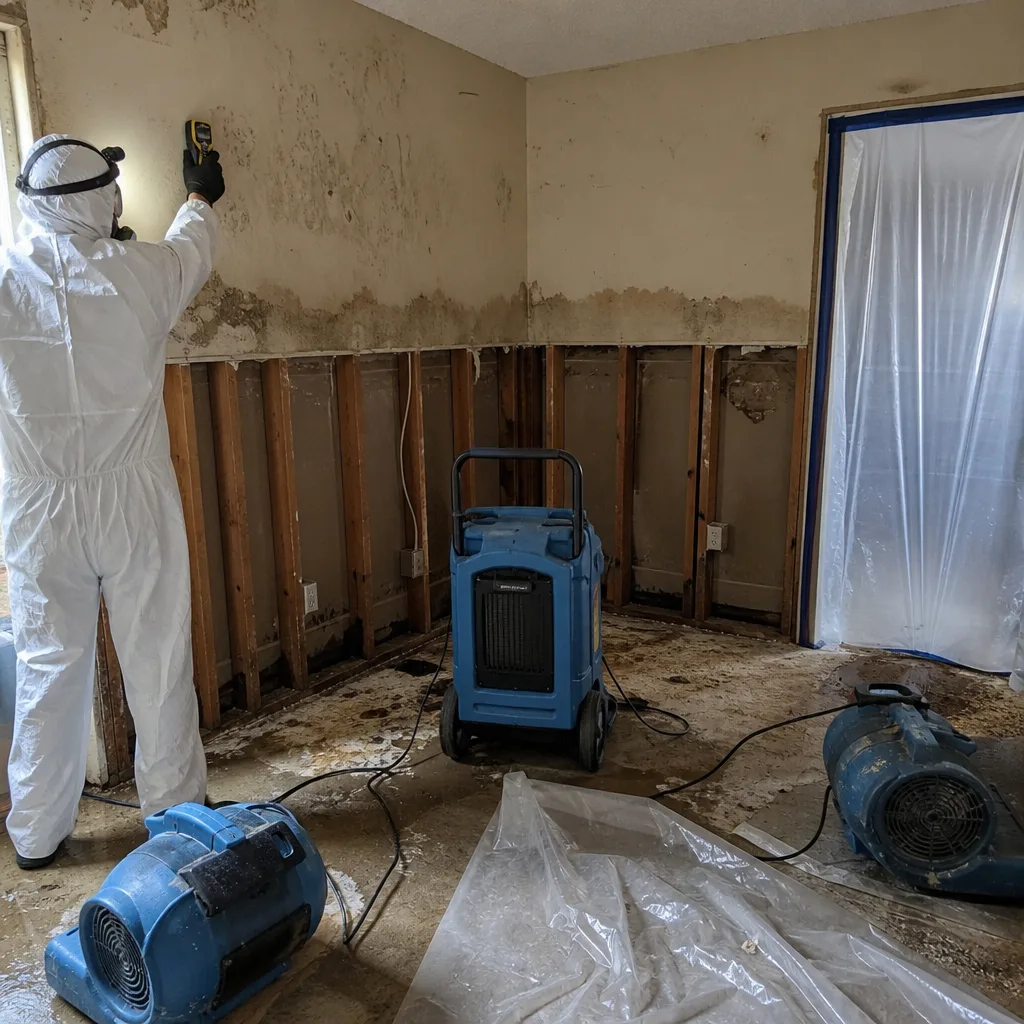 Before
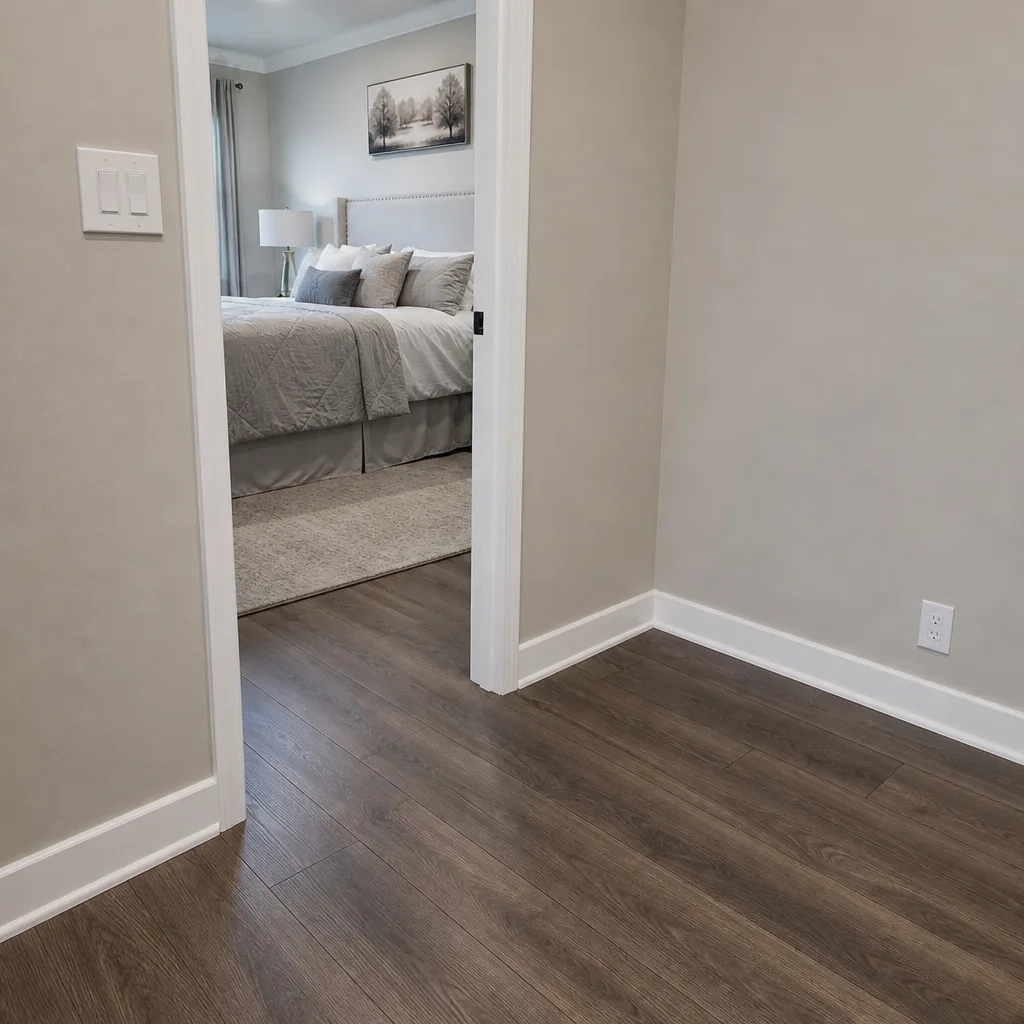 After
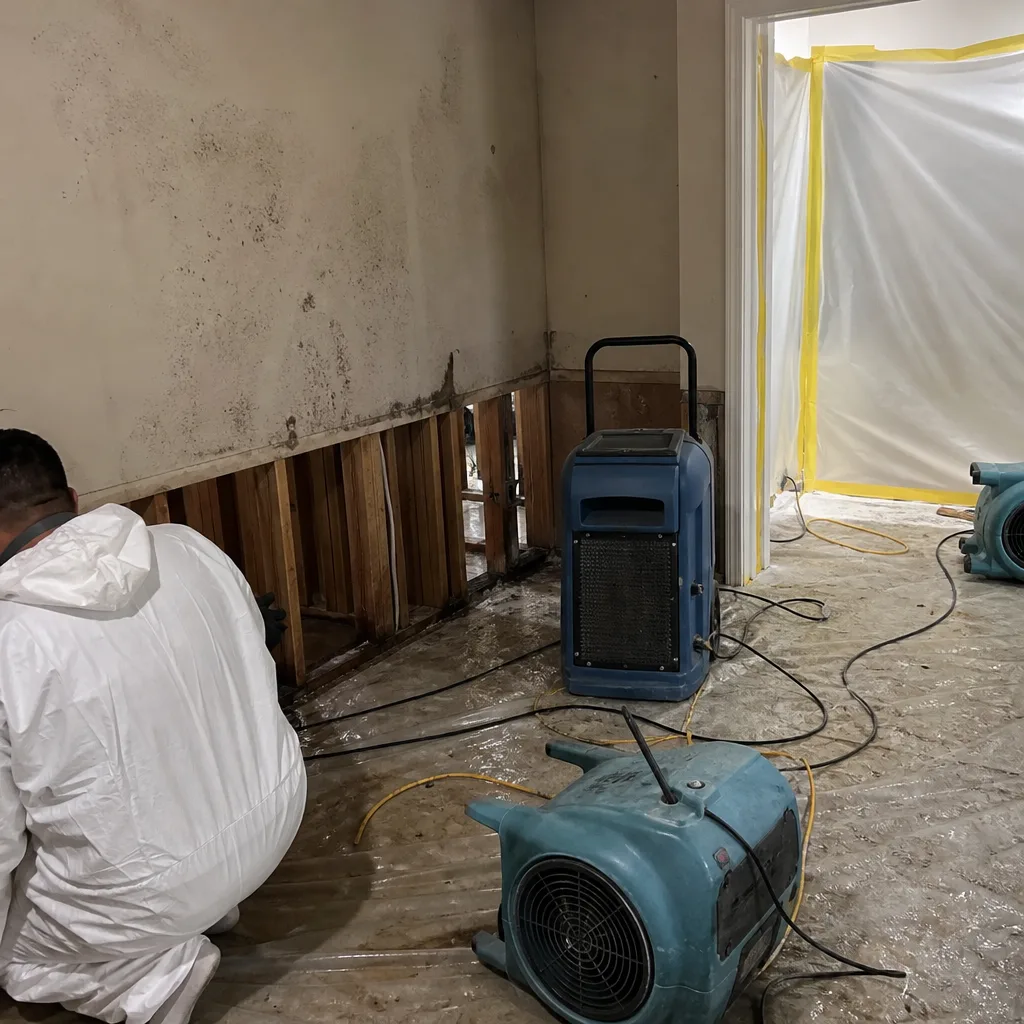 Before
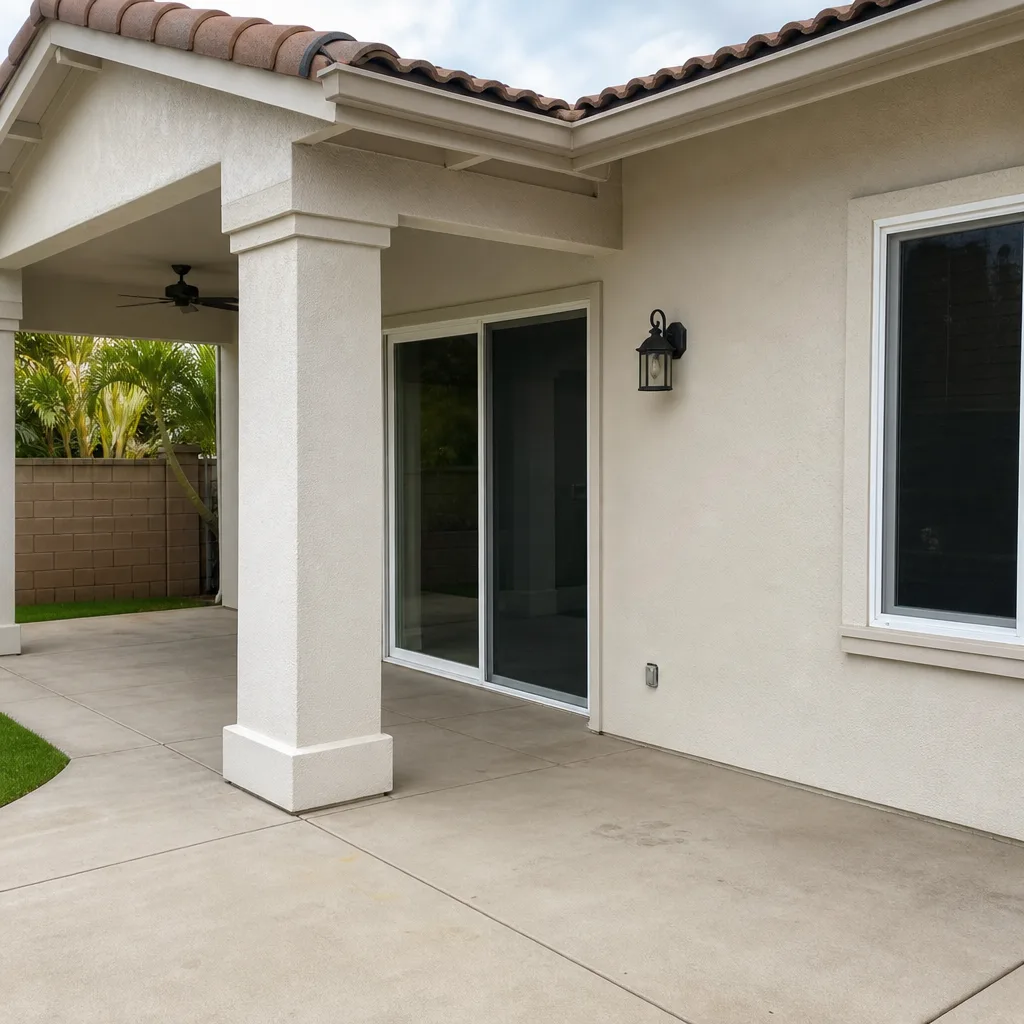 After
When to Call a Professional
Call a professional restoration contractor the moment you notice any of these: water actively entering your home from a leak, a visible pipe burst, or an appliance overflow; visible mold growth covering more than 10 square feet, or any mold growth accompanied by a musty odor anywhere in the house; fire or smoke damage from even a small kitchen fire, because smoke residue corrodes surfaces and penetrates porous materials within hours. Water that’s been standing more than 24 hours is already inside your walls and under your flooring. Corona’s warm climate accelerates mold growth in saturated materials – what takes a week in coastal humidity takes three days here. OC Restoration Co offers free estimates in Corona – call (833) 589-7005.
Frequently Asked Questions
Water damage restoration in Corona typically runs $2,500 to $8,000 for a moderate single-room event with professional drying, and $10,000 to $25,000 when demolition and rebuild are required for multi-room flooding. The variables are the square footage affected, whether the water was clean (supply line) or contaminated (sewage), how long it sat before extraction started, and whether structural drying prevents or requires demolition. Call (833) 589-7005 for an exact quote – estimates are free.
For active water intrusion, a restoration contractor in Corona should be able to get a crew on-site within hours, not days. Every hour of standing water increases the migration footprint and the likelihood of structural saturation. For mold remediation, the timeline is less compressed but should still start within a few days of discovery. For fire damage, board-up and smoke mitigation should begin immediately after the fire department releases the property.
Your insurance covers what your policy specifies, minus your deductible, and coverage depends entirely on documentation. The contractor’s ability to document the scope, justify the line items, and submit supplements directly affects what the carrier approves. A contractor who produces IICRC-standard documentation generically improves claim outcomes. A contractor who can’t will leave money on the table. Photo documentation and direct adjuster coordination are non-negotiable parts of the process – ask whether your contractor provides both.
No. California policies and standard homeowner coverage in Corona require you to mitigate damage promptly, and waiting for adjuster approval can violate your duty-to-mitigate clause. Call a restoration contractor first. Start the mitigation and documentation. The adjuster reviews the documentation afterward and approves the scope. The one exception: don’t sign any rehabilitative contract (scope beyond mitigation) until you’ve reviewed it with your adjuster or a trusted advisor.
Compare the estimate against the three checks from Step 3: is every line item specific, is the scope complete, and is anything duplicated? The most common padding in Corona restoration estimates is redundant cleaning charges, extended equipment rental days beyond the documented drying timeline, and antimicrobial application priced per-room when only part of one room was affected. A written scope agreed before work starts, with a change-order process for anything added mid-job, prevents most overcharges.
Water mitigation is the emergency phase: extraction, equipment setup, structural drying, and preventing secondary damage. Water restoration is the repair phase: replacing drywall, flooring, and materials that couldn’t be saved, and returning the home to pre-loss condition. Some Corona contractors do only mitigation and hand you off to a general contractor for restoration. That handoff is a coordination gap. Ask whether the contractor handles the full cascade from water extraction through final repair, or expect to manage two vendors and two scopes of work.
The Bottom Line
Hiring a damage restoration contractor in Corona is due diligence, not a gut decision. Verify the three credentials: IICRC certification, an active California Contractor’s License, and liability insurance. Read the estimate line by line, looking for specific scope, named equipment, and a moisture verification plan. Ask what equipment is on the truck and listen for brand names – Phoenix, XPOWER, Injectidry, Dri-Eaz. Check references for insurance-claim jobs specifically. And read the contract before signing, especially for any assignment of benefits language. Ninety minutes of verification saves months of claim disputes, incomplete work, and unnecessary demolition. If you’re facing water, mold, or fire damage in Corona and want a credentialed, equipment-serious restoration partner, call (833) 589-7005 for a free estimate.
Written by the team at OC Restoration Co, serving Corona since 2017.