
Last updated October 31, 2026
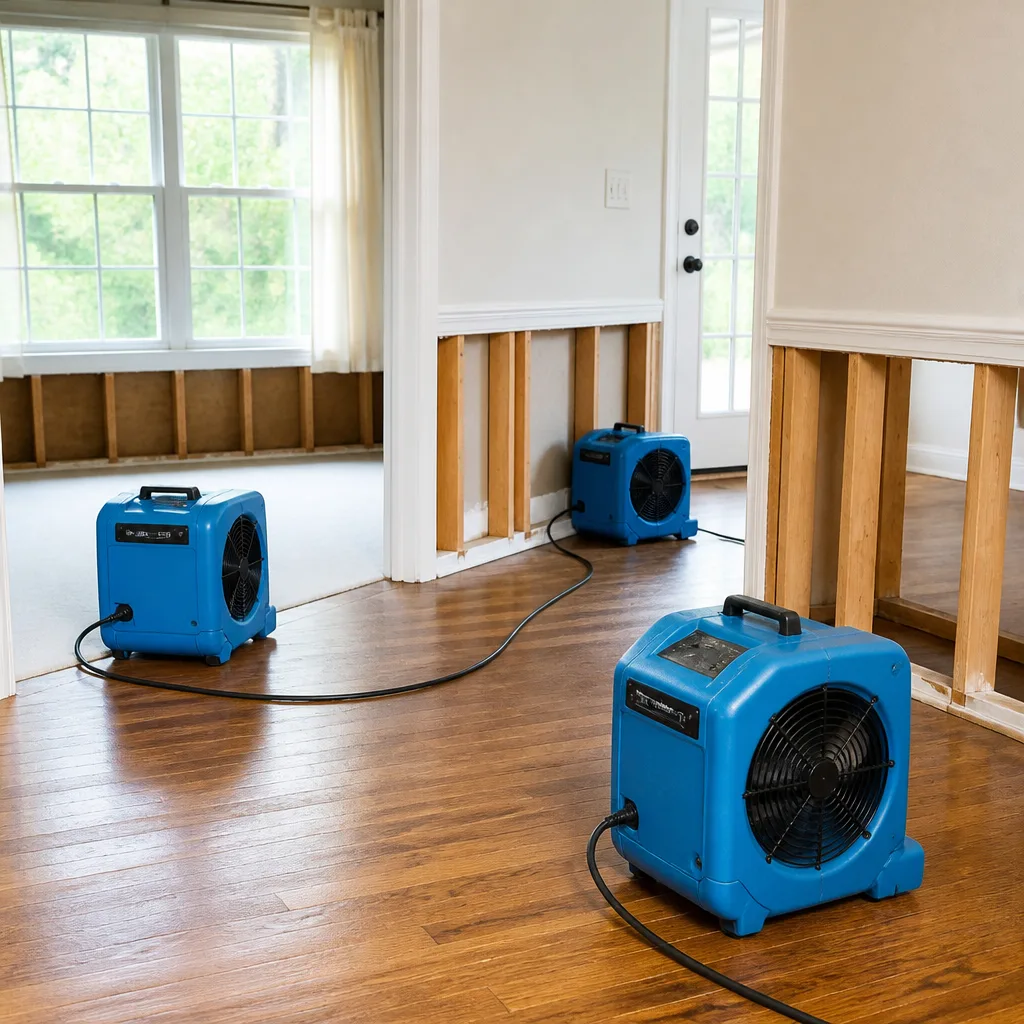 Water damage drying
 Fire & smoke cleanup
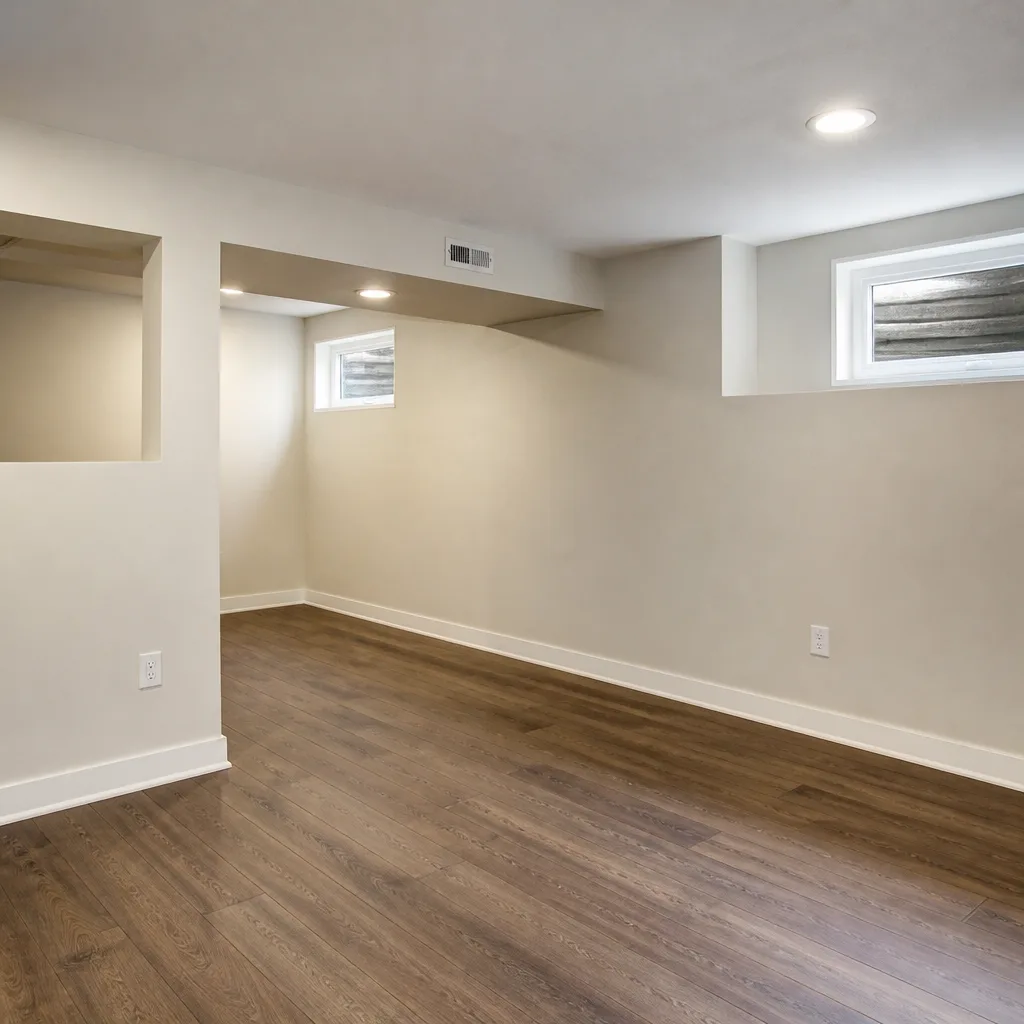 Mold remediation
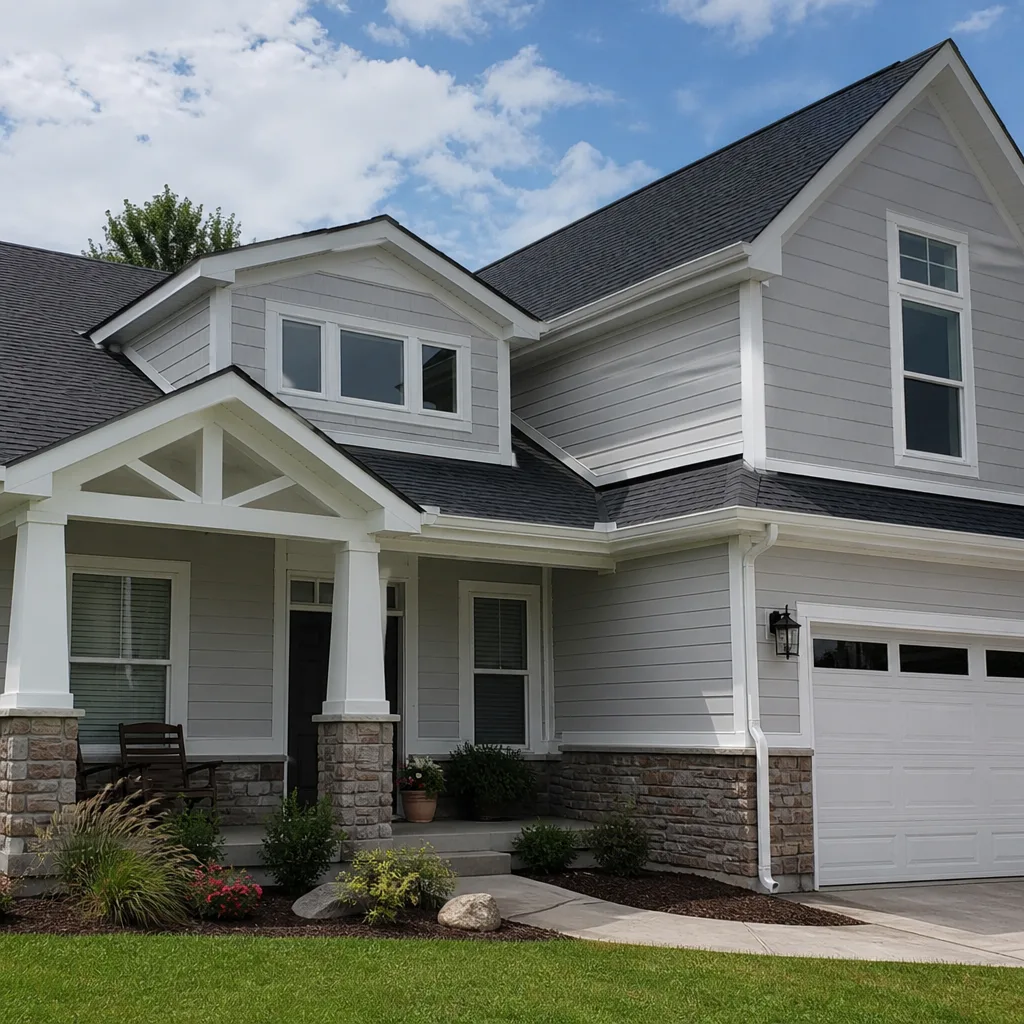 Storm response
 Sewage cleanup
 Reconstruction
Free visual inspection and a written scope of work before any mitigation begins - photos, moisture readings, and drying logs go in your claim file
The scope we write is the scope we bill. Anything new gets shown to you, in writing, before we touch it.
Get your free estimateDamage Restoration Emergency Preparedness Guide for Corona Homes
Here is a counterintuitive fact we’ve learned from years of restoration work in Corona: the most expensive mistake in the first hour after a water damage event isn’t failing to extract water. It’s failing to photograph the source before someone shuts off the supply valve. That one action, born of panic and good intentions, eliminates the only evidence of where the failure originated. This guide will not ask you to build a survival kit. It will ask you to build something far more valuable: a property-specific emergency response file that makes the first four hours after any damage event go right instead of wrong. We’ll cover documentation, action sequences, contractor pre-qualification, and the specific hazards that make Corona homes vulnerable in ways that generic preparedness checklists miss entirely.
Quick Answer
Damage restoration emergency preparedness for Corona homeowners means building a property file now (shutoff locations, panel diagrams, HVAC configuration, subfloor materials), knowing the exact 4-hour action sequence for water intrusion, pre-qualifying a restoration contractor before you need one, and organizing insurance documentation so it survives the event. The goal is not prevention, which is impossible. The goal is reducing the time between damage occurring and professional restoration beginning, because that gap determines how much of your home gets demolished versus dried. For a deeper look at when to call in professionals versus handling initial steps yourself, see our DIY vs Professional Damage Restoration: The Corona Homeowner’s Decision Guide.
Restoration work we handle
Table of Contents
- Building a Property Emergency File Before You Need One
- The 4-Hour Action Sequence for Water Intrusion in Corona
- How to Pre-Qualify a Restoration Contractor
- Corona-Specific Hazard Context: What Makes This City Different
- Insurance Readiness: Documents, Inventory, and Storage
- Fire Damage Preparedness in a WUI Zone
- Understanding the Mold Timeline and Why It Dictates Everything
- Common Mistakes to Avoid
- When to Call a Professional
- Frequently Asked Questions
Building a Property Emergency File Before You Need One
Most homeowners in Corona cannot tell you where their main water shutoff is without walking the property looking for it. That’s not a criticism. It’s an observation from hundreds of dispatch calls where the answer to “where is the shutoff?” was a long pause followed by guessing. The problem is that in a water damage event, the clock starts the moment the supply line fails, not the moment you find the valve.
Your property emergency file should be a physical folder and a digital copy stored in cloud storage that you can access from your phone. It should contain the following, documented now while there is no pressure:
- Main water shutoff location: Photograph the valve itself and the path to reach it. Mark it with a bright tag. In many Corona homes built before 1990, the shutoff is at the street level and requires a meter key. Buy the key now and store it somewhere family members know.
- Electrical panel diagram: A photo of the panel with each breaker labeled by room and appliance. In a water event that reaches electrical outlets, the restoration team needs to know which circuits to kill before extraction begins. Guessing at a breaker box during an emergency adds minutes that matter.
- HVAC configuration: Note whether you have a crawl space, attic, or slab foundation system, and where condensate drains run. Corona’s hot summers mean HVAC systems work hard, and condensate drain failures are a common cause of slow, unnoticed water damage that becomes a mold problem before anyone notices the damp.
- Subfloor material: Know whether your floors sit on a concrete slab or a raised wood subfloor. This single fact changes the entire drying protocol. Slab foundations channel water differently than wood-framed floors, and the restoration equipment required differs accordingly.
- Gas shutoff location: In earthquake-prone Southern California, knowing where and how to shut off natural gas is baseline preparedness. Corona sits close enough to the San Jacinto fault zone that this isn’t hypothetical.
- Water heater location and age: A water heater past its expected service life on a second floor or in an interior closet is a standing risk. Document the install date and photograph the unit. When it fails, you’ll know whether the damage is a slow leak or a full tank rupture, and the restoration scope depends on that distinction.
This file exists for one reason: when you call a restoration company at 2 a.m., the person on the phone asks questions. Where is the water coming from? Can you reach the shutoff? Is the panel accessible? What kind of flooring? Having answers immediately means the crew arrives with the right equipment on the first truck instead of returning to the shop for a second load. In our experience serving OC Restoration Co home customers across the Inland Empire, that first-truck-right-equipment difference is regularly worth two to three hours of drying time.
The 4-Hour Action Sequence for Water Intrusion in Corona
Water damage restoration follows a compressed timeline where the first four hours determine the scope of everything that comes after. Here is the sequence that produces the best outcomes, in the order that matters:
- Photograph the source first. Before anyone touches the shutoff valve, before buckets go down, before towels come out. Photograph the failing pipe, the bubbling supply line, the water heater connection, or wherever water is actively entering the structure. These photos are the primary evidence for your insurance claim and the restoration company’s scope documentation.
- Shut off the water. Now you may touch the valve. If it’s a localized failure, shut the fixture supply. If it’s a supply line or main failure, shut the main. If water is near electrical outlets or the panel, shut the affected circuits at the breaker before entering the standing water.
- Call your insurance company. Not after cleanup. While the water is still being addressed. Most policies require prompt notification, and waiting until the next morning weakens your claim position. Tell them the source, the time you noticed it, and that you’ve shut the supply.
- Call your restoration contractor. If you’ve pre-qualified one (which we cover in the next section), this call takes thirty seconds. If you haven’t, you’re now searching online while standing in water, comparing reviews, and losing drying time.
- Move valuables out of the affected area. Documents, electronics, and anything porous that isn’t bolted down. Water wicks upward through drywall and outward across flooring within the first hour. Moving items away from the perimeter reduces the salvage list.
- Do not attempt extraction yourself. Consumer wet-vacs and rental fans do not move enough air volume to prevent secondary damage. What you extract with a shop vac in an hour, professional extraction equipment removes in ten minutes, and the difference in remaining moisture determines whether your drywall gets dried or cut.
Corona’s climate adds a specific consideration. Temperatures above 90 degrees, common from June through October, accelerate evaporation inside a wet structure. That sounds helpful but is not. Faster evaporation without proper dehumidification means moisture moves into wall cavities and under flooring faster, where it condenses and collects. A water event in a Corona August afternoon requires dehumidification capacity that a January event does not.
How to Pre-Qualify a Restoration Contractor
The worst time to vet a restoration contractor is during an active emergency. You will be stressed, the damage will look worse than it is in some places and better than it is in others, and you will be vulnerable to whoever answers the phone first. Pre-qualification eliminates that risk. Here is what the process looks like and why it matters.
Call restoration companies now, before you need them, and ask three questions:
- What certifications do your technicians hold? The meaningful answer is IICRC certification, which is the restoration industry’s most recognized credentialing program. It means technicians are trained to documented standards, not informal company practices. In a world where anyone can buy a wet-vac and print business cards, this single credential separates restoration professionals from water-removal hobbyists.
- What equipment do you run? The answer tells you everything. Companies running Dri-Eaz, Phoenix, XPOWER, B-Air, and Injectidry are operating the same commercial-grade tools used by large national restoration firms. Companies running consumer or rental-grade equipment cannot achieve the drying results that insurance adjusters expect to see on a moisture log.
- Do you handle the full damage cascade? Water intrusion leads to mold growth. Fire damage includes water damage from suppression. Hiring one contractor for the entire sequence means one scope, one point of contact, and no coordination gap between a water-extraction company and a mold-remediation company two weeks later.
Pre-qualifying also means knowing who you’ll call for Water Damage Restoration in Fallbrook when the service area extends beyond Corona. The relationship cuts emergency response time roughly in half because the contractor already knows your property file, your insurance situation, and your expectations. When you call at 2 a.m., you’re not explaining anything. You’re confirming details and asking how fast the crew can arrive.
Corona-Specific Hazard Context: What Makes This City Different
Corona sits at a geographic intersection that creates three specific damage patterns we see repeatedly, none of which appear in generic preparedness guides written for a national audience. If you’re unsure whether your home is showing early indicators, review our Damage Restoration Warning Signs: A Corona Homeowner’s Reference Guide.
Wildland-Urban Interface fire risk. Corona’s eastern and southern edges push directly into the Santa Ana Mountains and Cleveland National Forest, placing thousands of homes in the WUI zone where wildfire risk is a constant seasonal reality. The Santa Ana winds that sweep through the Santa Ana Canyon push fire toward residential corridors with speeds that overwhelm municipal response. When fire threatens, restoration becomes a post-event reality, not a mid-event option. Homes that survive direct flames regularly sustain smoke damage that penetrates wall cavities, attic insulation, and HVAC ductwork. The restoration process for that type of smoke intrusion differs fundamentally from a kitchen fire: it’s not about char, it’s about particulate penetration throughout the entire structure.
Clay soil drainage failure. Large portions of Corona sit on expansive clay soils that shift dramatically with moisture changes. After heavy winter rain, the soil swells. When it dries in summer, it contracts. This cycle creates foundation movement that cracks supply lines, shifts drainage slopes, and in some cases, overwhelms French drains and sump systems. A water damage event in a Corona home is often not a plumbing failure at all, but a drainage failure caused by soil conditions the homeowner never knew affected their property.
Civic utility response timelines. Corona’s utility shutoff requests, particularly for gas and electricity during an active emergency, follow a municipal queue that can take hours during a city-wide event. When a neighborhood-wide water main break or a wind event causes multiple simultaneous incidents, utility crews triage by severity. A residential shutoff request during a multi-incident day is not the top priority. Your emergency file should include the direct phone numbers for these utilities and confirmation of whether your restoration contractor can begin mitigation work before utilities are fully shut down. In many cases, the answer is yes, with the right safety protocols.
This context matters because it changes the preparation calculus. A Corona homeowner preparing only for a plumbing leak is unprepared for the storm-drain failure that follows a week of heavy rain on clay soil. A Corona homeowner preparing only for interior water damage is unprepared for the smoke particulate remediation that follows a canyon fire.
Insurance Readiness: Documents, Inventory, and Storage
Insurance claims fail at the documentation stage more than any other point. The time to fix that is now, while there is no claim and no deadline. Here is what to pull together and how to store it so it survives the event itself.
Policy documents. Pull your full policy, not the summary page. You need the declarations page, the coverage limits section, and the exclusions section. Restoration companies and adjusters both work from the full policy language, and you should understand what “water damage” means in your specific policy. Some Corona policies exclude certain types of water intrusion, particularly groundwater or flood-related events, and that distinction determines whether a claim is covered or not before a single phone call happens. For details on regulatory requirements that may affect your project, read Damage Restoration Permits, Codes & Inspections in CA: What You Need to Know.
Personal property inventory. A restoration claim has two components: structural damage and contents damage. The structural component is documented by your restoration contractor and adjuster. The contents component is documented by you. Walk your home now and video-record every room, opening every drawer and closet. Narrate what you’re recording: brand names, purchase years, approximate values. Store this video in cloud storage, not on a hard drive that sits in the home that may be damaged. This fifteen-minute exercise is the difference between a contents claim that settles fairly and one that becomes a negotiation over what existed.
Storage that survives. The emergency file, the inventory video, and the policy documents all need to exist in at least two places: one physical copy in a fire-rated safe, and one digital copy in cloud storage. If the physical copy burns or floods, the digital copy remains. If the cloud provider has an outage, the physical copy remains. This redundancy costs nothing and protects everything.
We’ve seen homeowners arrive at a claim conversation with nothing but a memory of what their home contained. The settlement reflected that emptiness. We’ve also seen homeowners with a narrated video inventory settle contents claims quickly because the value was documented before the loss. The difference in outcomes is not luck. It is preparation.
Fire Damage Preparedness in a WUI Zone
Corona’s WUI designation is not a theory. The 2017 Canyon Fire and the 2018 Holy Fire both encroached on the city’s edges, and evacuation orders have touched Corona neighborhoods multiple times in the past decade. Fire damage restoration is a different discipline from water restoration, and the preparedness requirements differ accordingly.
What to understand before fire season:
- Defensible space affects restoration scope. Homes with maintained defensible space are more likely to survive a wildfire event with damage limited to smoke and ember intrusion. Homes without it face a higher probability of structural involvement. Your landscaping decisions today determine your restoration category tomorrow.
- Smoke penetration is the hidden damage. Even when flames miss a home, smoke penetrates every porous surface: drywall, insulation, carpeting, upholstery, clothing, and HVAC ductwork. A home that looks fine from the street can require full-duct cleaning, attic insulation replacement, and surface decontamination throughout. This is a larger restoration scope than most homeowners anticipate, and it is the scope most likely to be underestimated by an insurance adjuster working from photos alone.
- Fire suppression water damage is real. When firefighters do engage a structure fire, the water used to suppress it creates the same water damage categories as a plumbing failure. The restoration must address both fire and water damage simultaneously, which is why Fire Damage Restoration in Fallbrook work requires a contractor fluent in both disciplines.
Understanding the Mold Timeline and Why It Dictates Everything
Mold is not a separate problem that appears after water damage. It is a predictable biological response to the same moisture event, on a timeline that starts the moment water intrusion begins.
The timeline:
- 24-48 hours after water intrusion: Mold spores present in every home begin colonizing wet organic materials. Drywall, carpet pad, and wood framing are all food sources. At this stage, professional drying can stop the process entirely.
- 3-5 days after water intrusion: Visible mold growth begins in humid, dark cavities. Wall interiors, under-floor spaces, and behind baseboards are the first locations to show it. At this stage, drying alone will not suffice. Remediation is required alongside drying.
- 1-2 weeks after water intrusion: Established mold colonies release spores into the air, spreading the problem beyond the original wet area. At this stage, containment becomes mandatory, and the remediation scope expands significantly.
This timeline explains why the first four hours matter so much. Every hour of delay moves the event one step down this progression, and each step roughly doubles the restoration cost. The difference between calling a restoration company at hour one and calling them at hour twelve is often the difference between $4,000 of drying and $15,000 of Mold Remediation in Fallbrook plus reconstruction.
Corona’s climate amplifies this timeline. A home with standing water in August, when temperatures exceed 95 degrees and indoor humidity stays elevated, reaches the mold colonization threshold faster than a home with the same water event in January. The biological clock runs faster here, and the preparation needs to account for that acceleration.
Common Mistakes to Avoid
- Shutting off the water before photographing the source. This single action destroys the primary evidence for the insurance claim. Photograph first, shut off second, always. In our experience, this one mistake causes more claim disputes than any other homeowner action.
- Using rental fans and a shop vac, then waiting to see if it dries. Consumer-grade equipment cannot move enough air volume to dry wall cavities and subfloor material. By the time the homeowner realizes the drying attempt failed, the mold timeline has advanced beyond drying-only mitigation.
- Calling the insurance company before shutting off the water. The first call should be about stopping the damage, not documenting it. Shut the supply, then call. The insurance company does not dispatch mitigation crews. You do.
- Assuming a small visible stain means minor damage. Water travels. A stain on a ceiling in Corona is often the visible tip of a much larger intrusion behind the drywall, especially in homes with clay-soil foundation movement that shifted the water path.
- Waiting for the insurance adjuster before calling a restoration company. Adjusters arrive days after an event, not hours. Mitigation that waits for an adjuster visit has already lost the drying window. Restoration companies document everything for the adjuster, which is exactly what the claim requires.
- Storing the only copy of your inventory video on a device in the home. If the event is a fire, that device is gone. If it’s a flood, the device is damaged. Cloud storage exists for exactly this reason.
- Hiring a general contractor for restoration. Restoration is a specific discipline with specific equipment and protocols. A good general contractor is not a good restoration contractor, in the same way a good general practitioner is not a good surgeon. The IICRC credential exists to mark the difference.
When to Call a Professional
You need a professional restoration contractor when water has entered any porous building material: drywall, insulation, carpet pad, wood flooring, or cabinetry. You need one when you can smell mold but cannot see it, which in Corona’s heat often means mold is active inside a wall cavity. You need one after any fire event, including a small kitchen fire, because smoke particulate penetrates far beyond the visible char. And you need one after any event where the water source is unknown or unclear, because the restoration cannot be properly scoped until the full moisture path is understood. OC Restoration Co offers free estimates in Corona. Call (833) 589-7005 and we’ll walk you through what we’re seeing, what the timeline looks like, and what the next step should be, even if you decide to handle it another way.
Frequently Asked Questions
Photograph the source of the water before shutting off the supply valve. This documentation is the primary evidence for your insurance claim and the restoration scope determination. After photographing, shut the water off, then call your insurance company and your restoration contractor.
Mold colonization begins within 24-48 hours on wet organic materials, and Corona’s hot summer temperatures accelerate that timeline. Visible growth often appears within 3-5 days in wall cavities and under flooring. This is why professional drying needs to begin within the first day, not the first week.
Most homeowners policies cover sudden and accidental water damage from interior sources like burst pipes, failed supply lines, and water heater failures. Groundwater intrusion and flood events require separate flood insurance, which most Corona homeowners do not carry. Check your specific policy, because the distinctions between covered and excluded water events are precise.
Yes, for an assessment at minimum. Consumer-grade drying equipment cannot match the airflow and dehumidification capacity of professional equipment running Dri-Eaz, Phoenix, or XPOWER systems. A professional assessment tells you whether the moisture has entered wall cavities and subfloor areas that you cannot see or access, which is where the expensive damage happens.
Corona’s combination of WUI fire risk from the Santa Ana Mountains, expansive clay soils that create drainage failures after heavy rain, and temperatures that accelerate the mold timeline creates a hazard profile that differs meaningfully from coastal cities. A Corona-specific preparation file accounts for fire season evacuation, clay-soil drainage shifts, and accelerated biological growth that coastal homes do not face to the same degree.
Your restoration contractor documents everything: photos, moisture readings, equipment logs, and scope recommendations. That documentation goes directly to your adjuster. You do not need to mediate between the two parties. Choose a restoration contractor who works from documented, protocol-driven processes, because that documentation is what the insurance company requires to process the claim. Call (833) 589-7005 for guidance on how this coordination works for your specific policy.
The Bottom Line
Emergency preparedness for Corona homeowners is not about buying supplies. It’s about building a property file that answers every question a restoration team will ask, pre-qualifying a contractor who will arrive with the right equipment on the first truck, and organizing insurance documentation so it survives whatever event threatens the home. The first four hours after water intrusion determine the difference between drying and demolition. The first call after discovering damage determines whether professional mitigation begins today or tomorrow. Corona’s specific hazards (wildfire smoke penetration, clay-soil drainage failures, and summer-amplified mold timelines) mean that generic preparedness checklists leave real gaps. Close them now, while the property is dry and the phone is calm. The alternative is making decisions under pressure that you will pay for in restoration scope and insurance headaches. Explore more guides & resources to keep your preparation current.urance friction for months afterward.
Written by the team at OC Restoration Co, serving Corona since 2017.
See the difference
 Before
 After
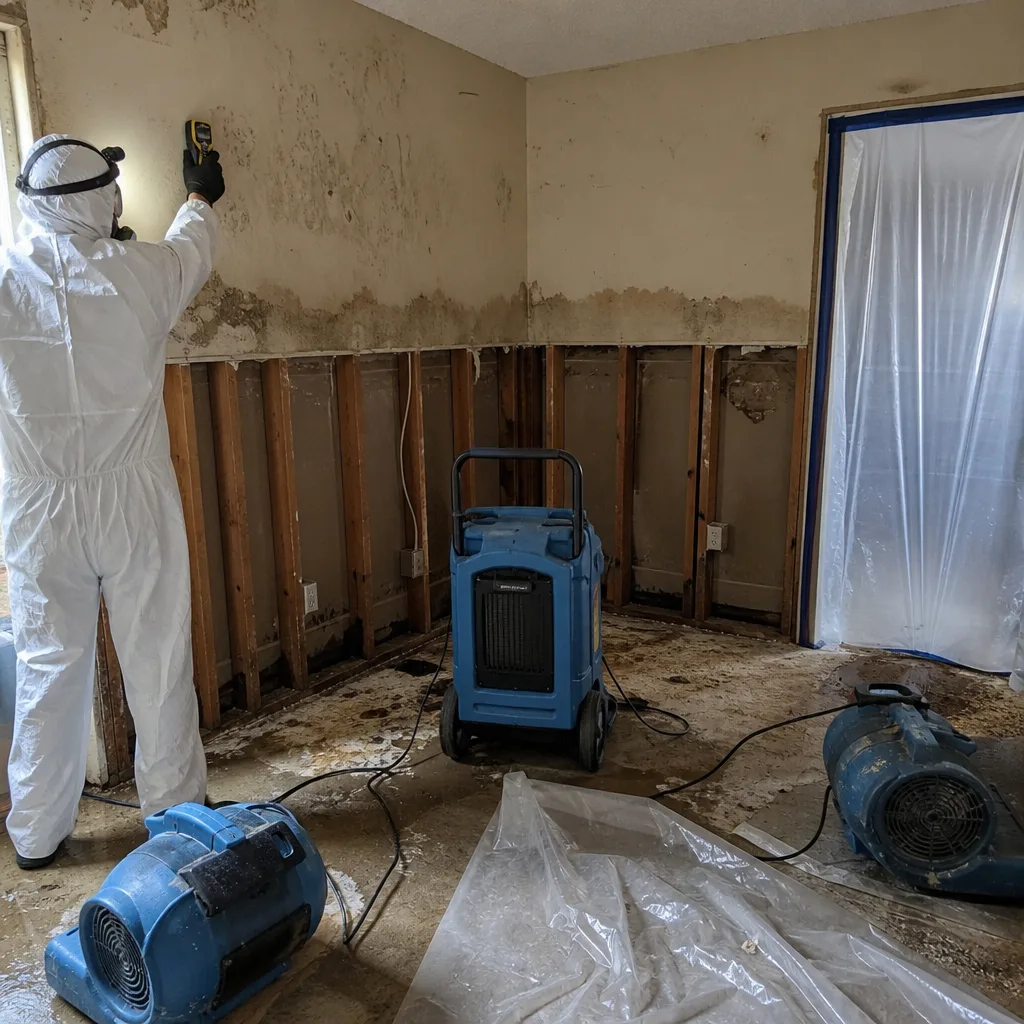 Before
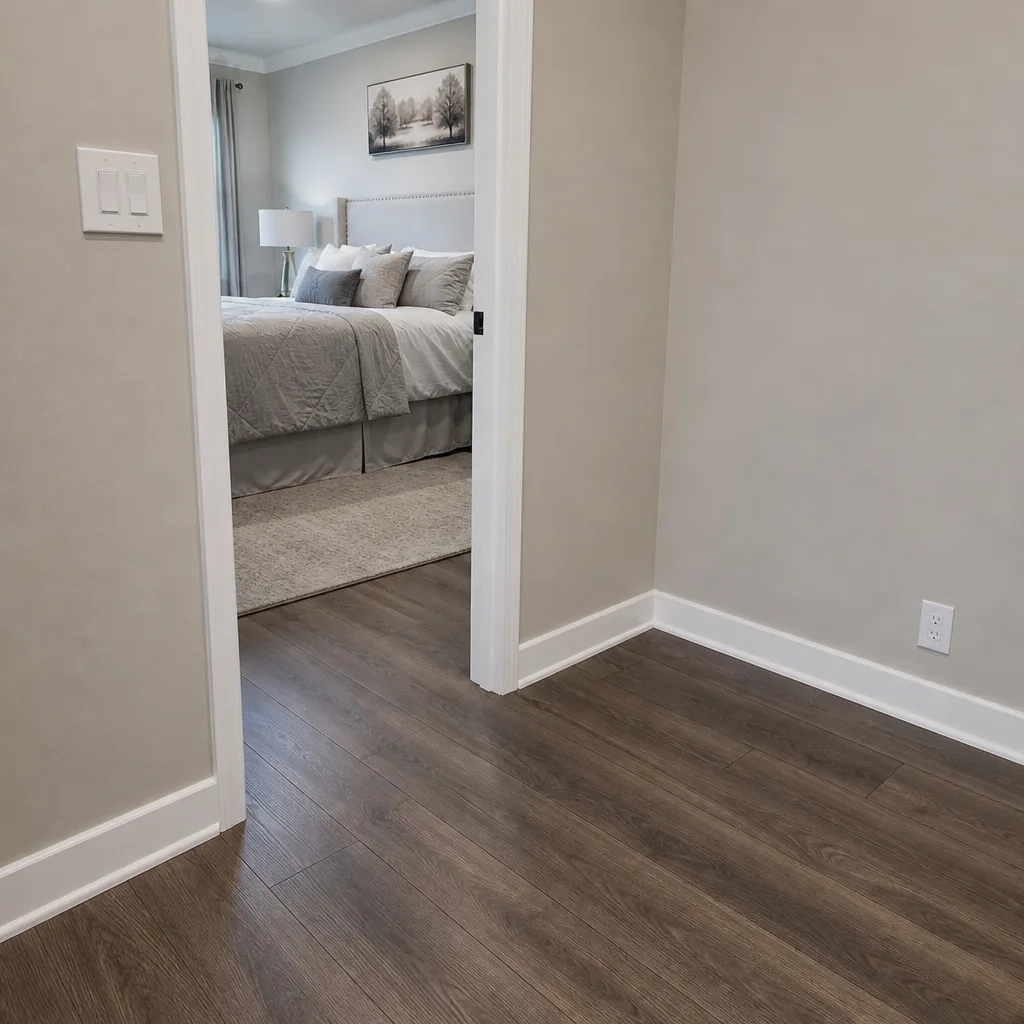 After
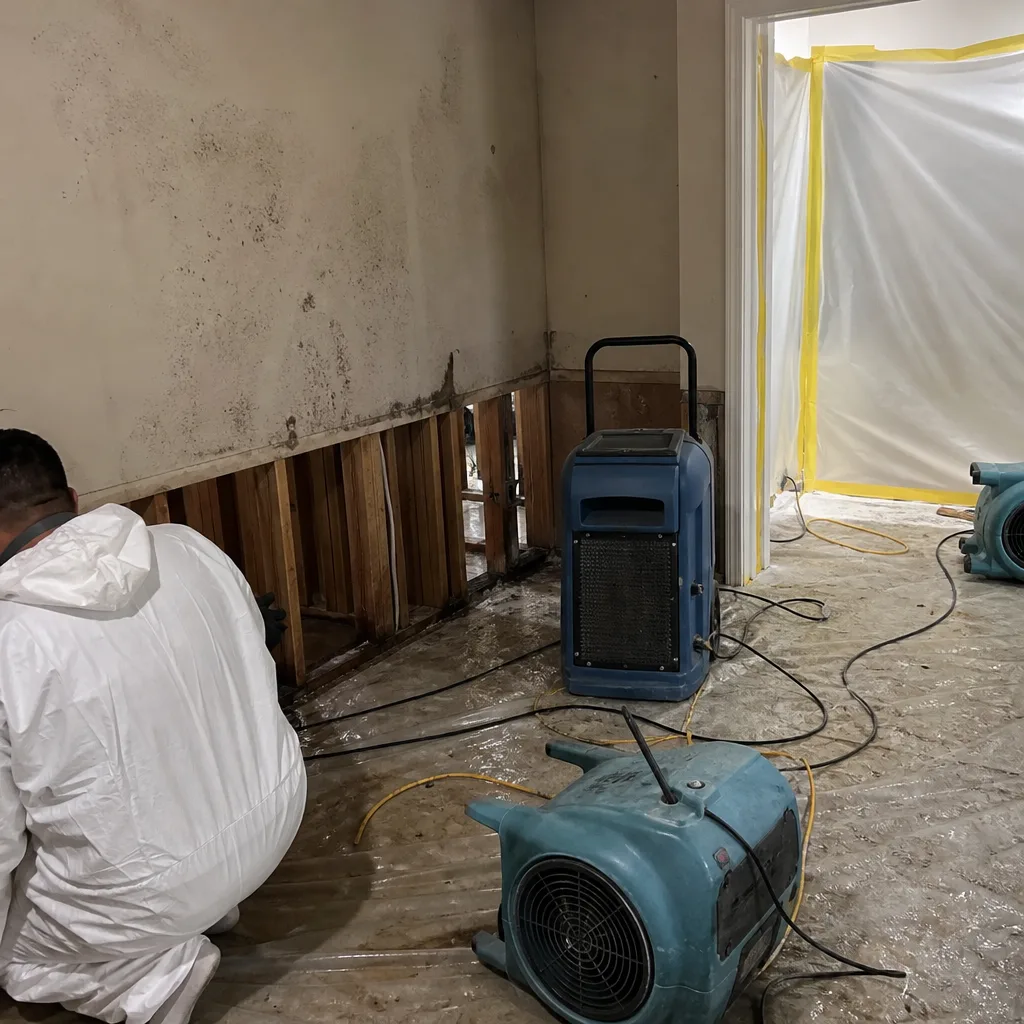 Before
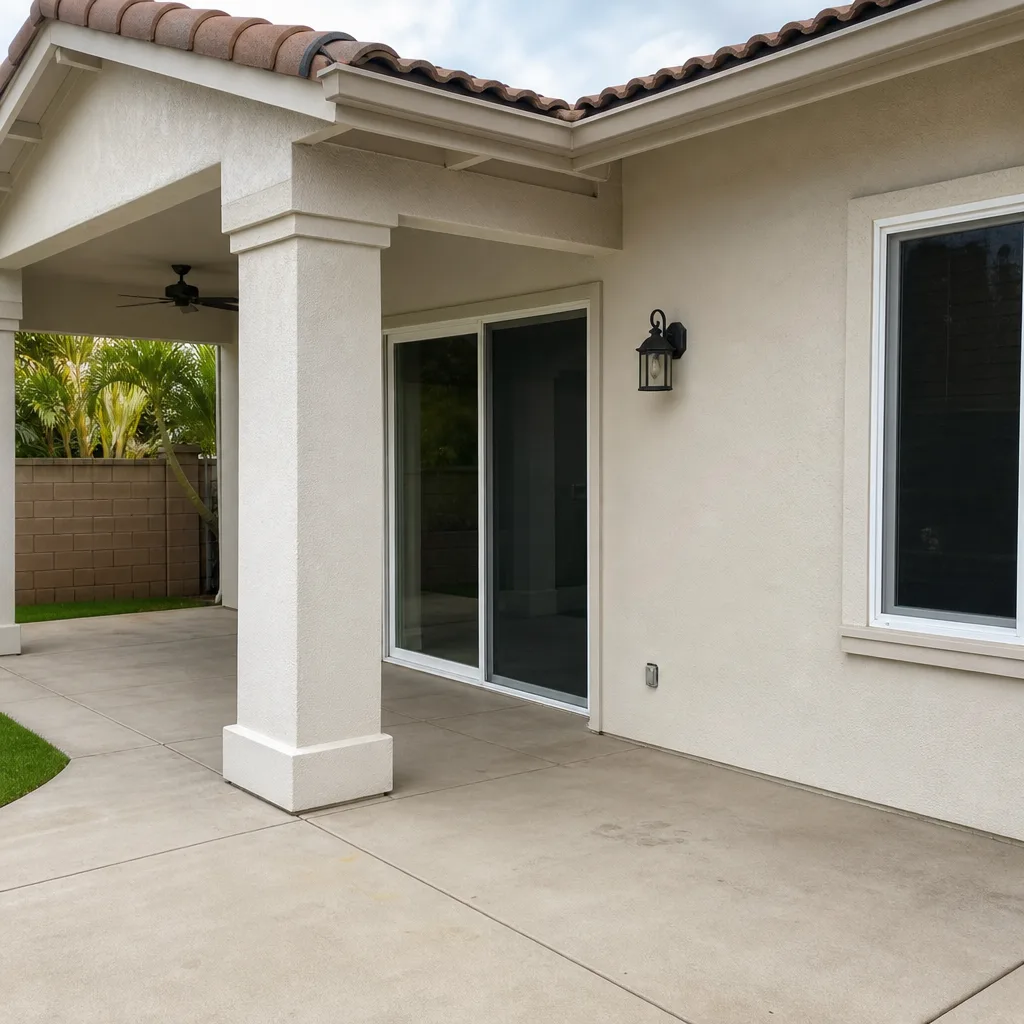 After