

Last updated October 31, 2026
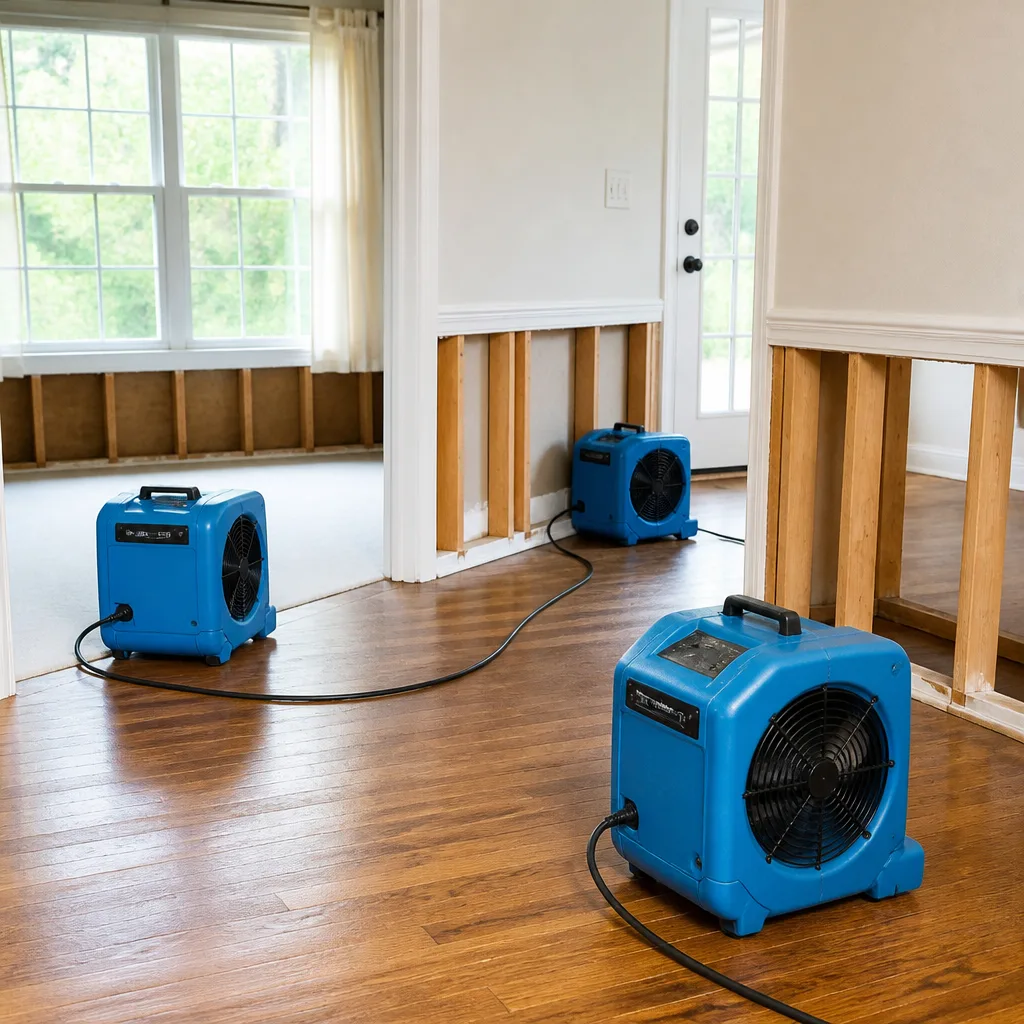 Water damage drying
 Fire & smoke cleanup
 Mold remediation
 Storm response
 Sewage cleanup
 Reconstruction
Free visual inspection and a written scope of work before any mitigation begins - photos, moisture readings, and drying logs go in your claim file
The scope we write is the scope we bill. Anything new gets shown to you, in writing, before we touch it.
Get your free estimateDamage Restoration Permits, Codes & Inspections in CA: What You Need to Know
In California, unpermitted restoration work on structural elements, electrical, or plumbing isn’t just a code violation. It’s a material fact you’re legally required to disclose to buyers, and it can reduce your home’s appraised value by the full cost of remediation. Most homeowners in Corona don’t discover this until escrow stalls or an appraiser flags the work. This guide covers exactly when California building codes require a permit for restoration work, how Riverside County’s building department processes emergency repair applications, who bears legal responsibility when a contractor skips permitting, and how to fix unpermitted work after the fact.
Quick Answer
California requires a building permit for restoration work that goes beyond cosmetic replacement, including structural sheathing, plumbing rerouting, electrical panel exposure, and any modification to load-bearing assemblies. In Corona and greater Riverside County, emergency repair permits can be obtained after hours for immediate life-safety hazards, but they cover stabilization only, not full reconstruction. Homeowners are ultimately liable for unpermitted work on their property, even when a contractor was hired, so adding a permitting clause to your restoration contract is the single most protective step you can take.
Restoration work we handle
Table of Contents
- When Is a Permit Required for Restoration Work?
- The Specific Scope Thresholds That Trigger Permits
- How Riverside County’s Emergency Permit Process Works
- Who Is Liable When a Contractor Skips Permitting?
- CalFire Defensible Space Inspections and WUI Requirements
- How to Retroactively Permit Completed Restoration Work
- Common Mistakes to Avoid
- When to Call a Professional
- Frequently Asked Questions
- The Bottom Line
When Is a Permit Required for Restoration Work?
California Building Code (CBC) Section 105.1 states that any building or structure erected, constructed, enlarged, altered, repaired, moved, improved, removed, converted, or demolished requires a permit. That word “repaired” catches a lot of homeowners off guard. Replacing drywall damaged by a water leak? Technically, yes, that’s an alteration. Replacing a water heater after a flood? That’s covered under the plumbing code and requires a permit. The distinction contractors often lean on is between “like-for-like replacement” and “alteration,” but that distinction is narrower than most realize.
In our experience restoring water-damaged and fire-damaged homes across Corona, we’ve seen the same pattern repeat: a homeowner hires a contractor who assures them the work is routine replacement and no permit is needed. The work gets done. Two years later, the home goes under contract and the buyer’s inspector flags missing permits. The seller then pays to retroactively permit the work, sometimes opening walls for inspection, sometimes paying double for what the original permit would have cost.
The practical rule: if the restoration work touches anything behind the drywall, it probably needs a permit. If it touches electrical wiring, plumbing lines, or structural framing, it definitely does.
The Specific Scope Thresholds That Trigger Permits
Most competitor guides on restoration permits stay vague. They say things like “significant work requires a permit” without defining significant. Here are the actual thresholds, drawn from California Building Code and standard Riverside County practice.
Structural Sheathing and Framing
If water damage or fire damage requires replacing any structural sheathing (plywood or OSB panels that brace the frame), a permit is required. The same applies to cutting or repairing any load-bearing wall studs, floor joists, ceiling rafters, or roof trusses. You cannot replace a charred roof rafter without a permit, and any contractor who tells you otherwise is taking a shortcut you’ll pay for later. This matters in Corona’s older housing stock, where post-war homes in neighborhoods like the Chase Ranch area and parts of central Corona have framing members that don’t always match modern lumber dimensions, often requiring a structural engineer’s letter alongside the permit application.
Electrical Panel Exposure and Wiring
If fire, water, or smoke damage exposes your electrical panel or requires any conductor to be replaced, rerouted, or extended, the California Electrical Code requires a permit and an electrical inspection. Water that reaches an electrical panel typically mandates panel replacement, not just drying. In Corona, where our fire season intersects with older neighborhoods that still have Zinsco or Federal Pacific panels, a fire damage restoration project often triggers a panel replacement that would need to happen anyway for insurability reasons.
Plumbing Rerouting and Supply Line Replacement
Replacing a section of copper or PEX supply line after a leak requires a plumbing permit. The threshold is not the length of pipe; it’s any modification to the potable water system. Drain line replacement after sewage backup qualifies as well. One exception: replacing a fixture like a faucet or toilet without modifying the underlying plumbing is generally exempt, as is replacing a p-trap.
Mold Remediation Considerations
Mold remediation itself does not require a building permit under California law. However, if the remediation process involves removing drywall, insulation, or other building material, and the repair stage includes replacing that material, then the repair work may trigger a permit. Many mold remediation in Fallbrook projects follow the same pattern we see in Corona: the remediation is permit-free, but the reconstruction that follows is not. A protocol-driven remediation company will always document what was removed and what needs reconstruction, which makes the permit decision straightforward for the homeowner.
How Riverside County’s Emergency Permit Process Works
Riverside County, which serves as the Authority Having Jurisdiction for Corona, does allow emergency repair permits when life-safety hazards exist. The process is faster than standard permitting but comes with specific limitations homeowners need to understand.
- You call the county’s building department directly. Corona does not have its own building department. All permits, including emergency repair permits, go through the Riverside County Building and Safety Department. Their main office is in Riverside, but they maintain inspection routes through western Riverside County on a regular schedule.
- You document the emergency before work begins. Photos, video, and a written description of the hazard are required. The county will ask what specifically is unsafe: a sagging ceiling, exposed energized wiring, a compromised load path.
- Stabilization work proceeds under a verbal authorization, then a written permit follows. You are allowed to shore up a failing structure, cut power to exposed wiring, and tarp a roof before the official permit is issued. The key word is stabilize. Full reconstruction requires the permit to be pulled first.
- An initial inspection happens within days, not weeks. Riverside County prioritizes emergency repair inspections. In our experience working in Corona, the county typically dispatches an inspector within 3 to 5 business days for active emergency permits, versus 2 to 4 weeks for standard plan-check permits.
- Reconstruction beyond stabilization requires a separate permit application. This is where many contractors blur the line. They pull the emergency permit, complete the full reconstruction, and claim it was all covered. It wasn’t. The emergency permit covers stabilization of the hazardous condition only. If you replaced drywall, insulation, and electrical wiring, those elements fall under the normal permitting process.
For water damage restoration, fire damage restoration, and the structural drying stage of mold remediation, the emergency permit is the right tool when a home faces imminent collapse or electrical hazard. For everything else, standard permitting is the honest path.
Who Is Liable When a Contractor Skips Permitting?
Here’s the uncomfortable answer. Legally, the property owner bears final responsibility for ensuring permits are pulled on their property. The California Contractors State License Board (CSLB) considers pulling required permits part of a contractor’s professional duties, and a contractor who willfully avoids permits can face license discipline. But the building department’s enforcement vectors run primarily through the property, not the contractor. An inspector issues a correction notice to the property address. A stop-work order is posted on the property. A lien or title cloud attaches to the parcel, not the contractor’s license.
What this means in practical terms for a homeowner in Corona: if your contractor skips permits, you inherit the problem when the job is done and the contractor has been paid and moved on.
Here’s how to protect yourself in the contract, in three steps.
- Add a permitting clause. A simple sentence works: “Contractor shall obtain all permits required by the applicable jurisdiction and shall provide permit numbers to Owner prior to commencement of work.” This creates a contractual obligation, which gives you legal recourse against the contractor even though the building department’s enforcement runs against your property.
- Require a permit number before work starts. No permit number, no check. This single practice eliminates most of the problem. Any legitimate restoration contractor should be able to produce a permit number or show you the exact code exemption that applies to each element of their scope.
- Verify final inspection sign-off. A permit that was pulled but never finaled is almost as bad as no permit. Make the final building inspection a condition for releasing the final payment. In Corona, you can verify inspection status through Riverside County’s online permit lookup tool using your address.
We understand the temptation to skip this. You’re stressed, your house is damaged, and the contractor says they can start tomorrow if you waive the permit. But a contractor who will cut that corner will cut others. The restoration companies that follow protocol, like the OC Restoration Co home team, will always pull permits when required, document the entire process, and treat the permit trail as part of the deliverable, not an inconvenience.
CalFire Defensible Space Inspections and WUI Requirements
Corona sits partially within designated Wildland-Urban Interface (WUI) zones, particularly in the hillside communities along Skyline Drive, the Sierra del Oro area, and the neighborhoods backing up to the Cleveland National Forest. If your fire damage restoration project involves any work on the exterior envelope of your home, including roof replacement, siding, decking, or fencing, you may be required to comply with WUI construction standards and potentially face a CalFire defensible space inspection.
Here’s what that means in practice.
CalFire’s defensible space inspection focuses on the 100 feet surrounding a structure, divided into two zones. Zone 0 extends 0 to 5 feet from the structure and must be free of combustible material. Zone 1 extends 5 to 30 feet and requires thinning and spacing of vegetation. Zone 2 extends 30 to 100 feet (or property line) and requires fuel reduction. These inspections do not issue permits; they issue citations if the property fails. But for restoration work specifically, they interact with your permit in one important way: if you are already replacing burned exterior materials, California Building Code Chapter 7A requires WUI-compliant materials, which is a building permit issue, not a CalFire citation issue. Your local fire marshal may inspect the property as part of the Riverside County permit process and can require defensible space work before finaling your permit.
For fire damage restoration on a Corona hillside property, we’ve seen projects where the structural repair was straightforward but the permit was held up for weeks because the defensible space hadn’t been addressed. The fix is simple: clear Zone 0 and Zone 1 before your first inspection, and keep receipts for any non-combustible fencing or decking material you install, because the inspector will ask for them.
How to Retroactively Permit Completed Restoration Work
If you’ve discovered that restoration work on your home was completed without required permits, either because a contractor skipped them or because you inherited the problem from a previous owner, you have options. The process is called retroactive permitting or “as-built” permitting, and it’s more common than most homeowners realize, especially in Corona’s mid-century housing stock where decades of additions and repairs were done informally.
The process works like this:
- Request a records check with Riverside County Building and Safety. Start with a simple question: what permits, if any, are on file for your address? This costs little and gives you a baseline for what’s permitted and what likely isn’t.
- Hire a licensed contractor or architect to assess the work against current code. This is the critical step. The unpermitted work will be evaluated against today’s code, not the code in effect when the work was done. The person doing the assessment needs to identify any deviations.
- Submit plans or a written description to the county for “as-built” permitting. For simple work like replacing drywall or a section of plumbing, a written scope with photos may suffice. For structural modifications, the county may require engineering documentation.
- Open up the areas the inspector needs to see. This is the painful part. If the inspector needs to verify that the electrical connections in a wall are code-compliant, that wall has to be opened. For structural sheathing, the inspector may require visible access to the framing members. In some cases, this means undoing and redoing work that was already completed.
- Pay the fees, including any penalty multipliers, and receive your final sign-off. Riverside County does not typically charge punitive penalties for retroactive permits, but some municipalities in California do double or triple permit fees. The county’s position is generally cooperative: they want the work permitted and inspected.
The time to do this is before you list your home. Retroactive permitting done proactively is a nuisance. Retroactive permitting done during escrow is a crisis, and California’s real estate disclosure laws make no exception for work you didn’t know about. The seller’s Transfer Disclosure Statement asks whether the owner is aware of any significant defects or malfunctions, and unpermitted work on structural or electrical systems qualifies as a material fact.
How Restoration Work Affects Your Insurance Claim and Documentation
Permits interact with insurance claims in ways most homeowners never think about until a claim is in process. Your insurer’s adjuster will review the final settlement against the scope of work performed. If the restoration required a permit and you didn’t pull one, the adjuster may question whether the work was done to code, whether the pricing reflected licensed, permitted work, and whether any subsequent damage could be tied to the unpermitted repair.
This is where documentation matters more than most homeowners realize. Photo documentation of damage, photo documentation of the restoration process, and a clean permit trail all support your claim and protect your insurability. We’ve seen Corona homeowners get non-renewal notices because an insurer discovered unpermitted electrical work during a post-fire inspection. The claim itself was paid, but the long-term cost was higher premiums or being pushed into the FAIR Plan, California’s insurer of last resort.
For water damage restoration, the permit question usually centers on plumbing repairs. If a slab leak required cutting into structural concrete and rerouting a supply line, that’s a plumber’s permit plus possible structural consultation. The water damage restoration in Fallbrook projects we’ve handled follow the same standards: the drying phase needs no permit, but the reconstruction phase does.
For fire damage restoration, the permit question is rarely ambiguous. Any significant fire event involves structural and electrical assessments, and the permit is nearly always required. A documented, protocol-driven restoration process with permits from day one makes your claim cleaner and your adjuster’s job easier. It also makes the home safer, which is the actual point of all this.
Common Mistakes to Avoid
- Accepting “like-for-like replacement” as a blanket permit exemption. That phrase appears nowhere in the California Building Code in the way contractors use it. Replacing a cracked tile is cosmetic; replacing the drywall behind that tile is an alteration. If drywall, insulation, or framing is touched, assume a permit is required.
- Letting the emergency permit cover the whole job. Emergency permits exist to stabilize immediate hazards only. Rebuilding a fire-damaged roof or rewiring an electrical panel under an emergency permit is outside the scope of that permit and leaves you with the same unpermitted-work problem.
- Not verifying final inspection sign-off. A permit that was pulled but never finaled is an open item on the county’s books. It shows up in a title search and must be closed before a sale. Make the final sign-off a condition of final payment to your contractor.
- Skipping the WUI materials review on exterior restoration work. In Corona’s hillside WUI zones, replacing siding or roofing with non-compliant materials will fail inspection and require re-doing the work with Chapter 7A-compliant products. Confirm the materials spec before installation.
- Hiring a contractor who offers to handle permits “after the work gets started.” This is a red flag. Permits are pulled before work starts, not after. If a contractor can’t give you a permit number on day one, they’re either unlicensed or planning to skip the permit.
- Assuming mold remediation automatically includes permitting for reconstruction. Mold remediation is permit-free. Reconstruction is not. A remediation company that doesn’t document what was removed and what needs replacing is leaving the reconstruction permitting question unsaid.
- Waiting until escrow to deal with a known unpermitted repair. The buyer’s inspector will find it. The buyer’s lender may require it to be fixed before funding. The seller is in the weakest negotiating position possible. Retroactively permit before listing.
When to Call a Professional
A permit question is usually a signal that something else needs attention. If water has reached structural framing, if an electrical panel was exposed to water or heat, if plumbing needs rerouting, or if fire compromised load-bearing elements, you need a restoration contractor who understands the permit process and works with the AHJ directly. That’s not a handyman situation.
In Corona, we see homeowners make the expensive choice of hiring a repair crew for restoration work, then separately trying to manage the permit process themselves. The better path is a restoration company that pulls the permit as part of the scope, documents every stage, and produces the final inspection sign-off before the last check is written. OC Restoration Co offers free estimates in Corona, call (833) 589-7005.
Frequently Asked Questions
Yes, in most cases. Replacing drywall is an alteration to the building envelope and interior finish, which technically requires a permit under California Building Code. If the drywall replacement also involves insulation replacement or any electrical or plumbing work, the permit requirement is unambiguous. The exception is a purely cosmetic patch of a small area, but any full-sheet replacement in a Corona home should be permitted through Riverside County.
Permit fees in Riverside County vary by project valuation and scope, but a typical restoration permit for drywall, insulation, and minor structural repair on a single-family Corona home falls in the range of $400 to $1,500, depending on the specific scope and valuation. Emergency stabilization permits are billed at the same schedule as standard permits. The cost of retroactive permitting is generally the same as the original permit plus any required engineering review. Call (833) 589-7005 for a free estimate that includes permit coordination.
You, the property owner, bear legal responsibility to the building department. The county’s enforcement tools (correction notices, stop-work orders, title liens) attach to the property address. Your recourse against the contractor is through the contract and the Contractors State License Board, which is why a written permitting clause in the contract is the most important protection you can add.
An emergency repair permit covers stabilization of an immediate life-safety hazard, such as shoring a compromised structure, disconnecting exposed electrical wiring, or tarping a failed roof. It is issued quickly, often with verbal authorization first and written permit following. It does not cover reconstruction, finish work, or any work beyond stabilizing the hazard. Full reconstruction requires a standard permit application.
Yes. Riverside County processes “as-built” permits for work completed without a permit. The process involves a records check, an assessment of the work against current code, submission of documentation, and inspection. The inspector may require that walls or ceilings be opened to verify code compliance, and the work will be evaluated against today’s code, not the code in effect at the original time of construction.
No, mold remediation itself does not require a building permit. Mold remediation is regulated by the California Department of Public Health and industry standards like IICRC S520, not the building code. However, reconstruction after remediation, including drywall replacement, insulation replacement, and any structural repair, does require a building permit. A protocol-driven mold remediation company will document the line between remediation and reconstruction so the permit question is clear. For fire damage restoration work, the fire damage restoration in Fallbrook standards are similar: remediation is one phase, reconstruction is another, and the line between them determines the permit path.
Call (833) 589-7005 for a free estimate if you’re not sure whether your project needs a permit in Corona.
The Bottom Line
Permits are not optional in California restoration work, even when a contractor tells you the job is simple. The legal responsibility sits with the property owner, and the cost of getting it wrong compounds over time: retroactive permitting, disclosure obligations, reduced property value, and insurance complications. In Corona, the process runs through Riverside County’s building department, which offers emergency permits for stabilization, standard permits for reconstruction, and a retroactive path for work that was already done outside the rules. The right restoration partner pulls the permit before work starts, documents the process, and delivers final inspection sign-off at the end. If you’re facing water, mold, or fire damage and have questions about the permit path for your specific job, call (833) 589-7005. We’ll tell you honestly what’s required, what’s exempt, and what the timeline looks like.
Written by the team at OC Restoration Co, serving Corona since 2017.
See the difference
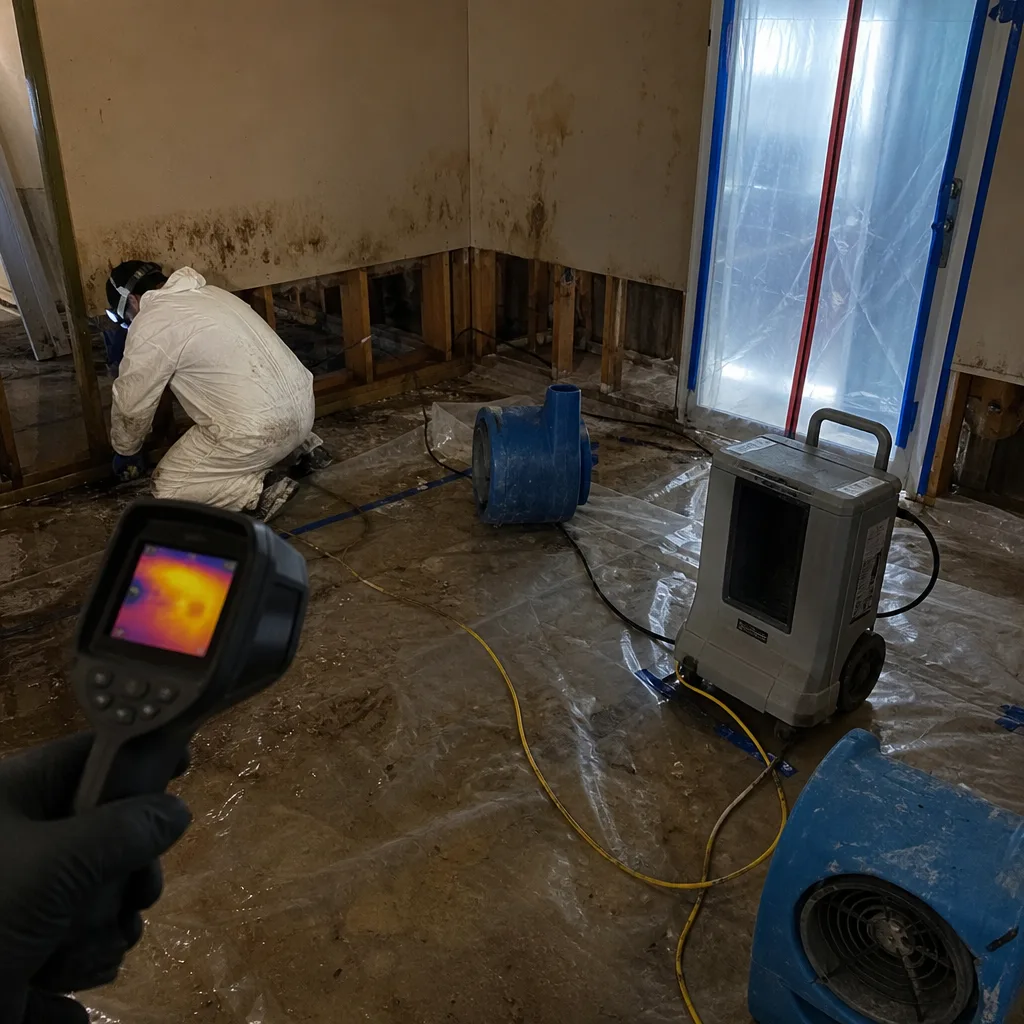 Before
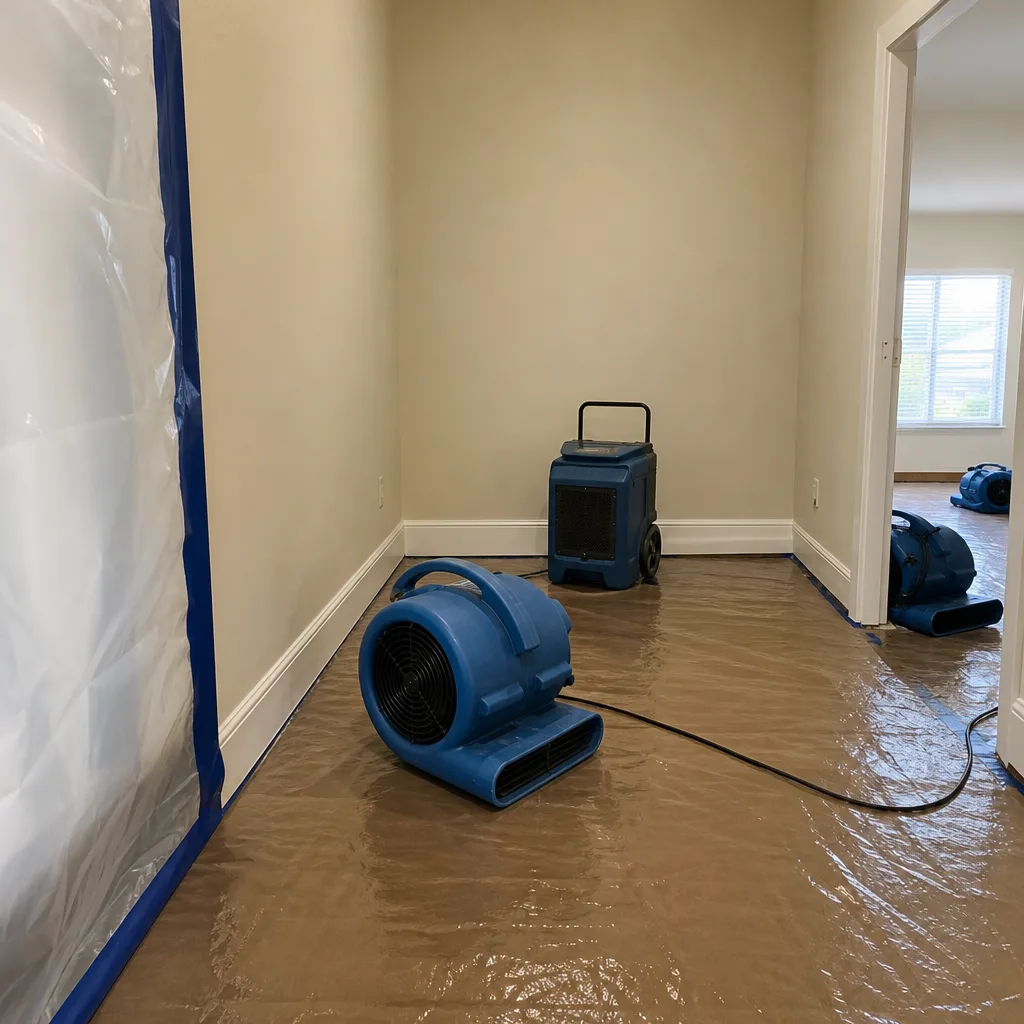 After
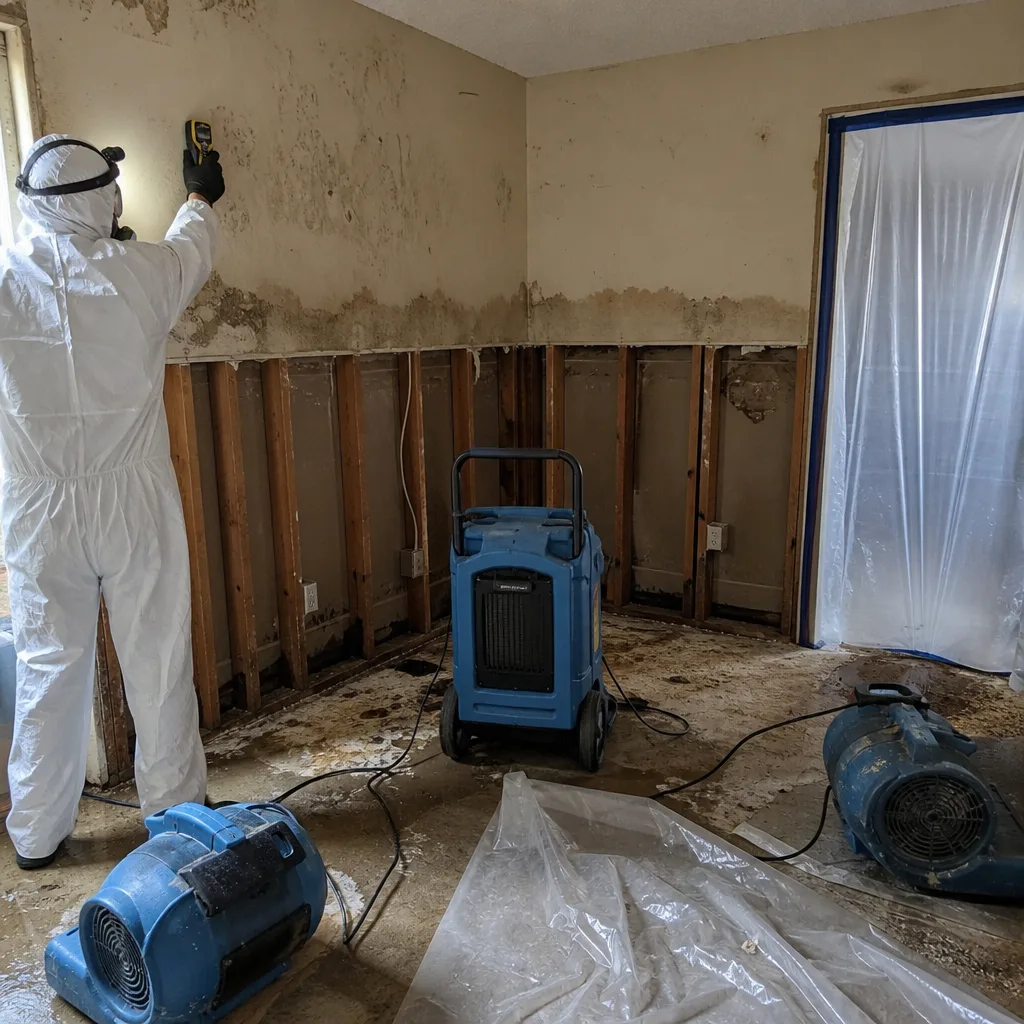 Before
 After
 Before
 After