 Water damage drying
 Fire & smoke cleanup
 Mold remediation
 Storm response
 Sewage cleanup
 Reconstruction
Free visual inspection and a written scope of work before any mitigation begins - photos, moisture readings, and drying logs go in your claim file
The scope we write is the scope we bill. Anything new gets shown to you, in writing, before we touch it.
Get your free estimateRestoration Company in Corona, CA
Fire damage restoration in Corona isn’t a single-solution job. Homes here face two very different fire risks: wind-driven ember and smoke damage in the south hills along the Cleveland National Forest interface, and structure fires in mid-century stucco tract homes where older electrical systems and decades-old construction materials burn differently than newer builds. OC Restoration Co has served Corona since 2017, and we handle the full cascade: water from fire suppression, soot and smoke residue, and the structural drying that follows. Call (833) 589-7005 when you need a Corona team that understands both wildland-adjacent smoke intrusion and interior fire loss.
Why Corona Homes Are Different
The restoration work we do in Corona is shaped by two forces that don’t exist in most Inland Empire cities. The first is terrain. The Santa Ana River corridor runs along the city’s northern edge, and the older neighborhoods built near it sit on FEMA-mapped floodplain. When atmospheric river storms hit, drainage in those low-lying pockets gets overwhelmed fast, and we’re pulling water out of slab-on-grade homes where it has nowhere to go but into drywall and under flooring. The second is the wildland-urban interface. South Corona homes along the foothill streets back up to the Cleveland National Forest, and Santa Ana wind events push embers and heavy smoke into neighborhoods that never see actual flame. The smoke is the problem: it settles into attic insulation, flex duct, and HVAC returns, and it lingers for months if it isn’t addressed. Mid-century homes in the older core have their own patterns too: original single-pane windows, stucco over frame, and smaller rooms that trap smoke and force different demolition and cleaning decisions than the two-story stucco-and-tile homes built in the 1980s and 1990s up in the south hills. A restoration crew that treats every Corona home the same will miss what actually happened in that specific house.
Restoration work we handle
Our Main Corona Services
Most Corona homeowners call us for two reasons: water where it shouldn’t be, and mold that followed it. Both have dedicated Corona service pages with full detail.
Water Damage Restoration in Corona
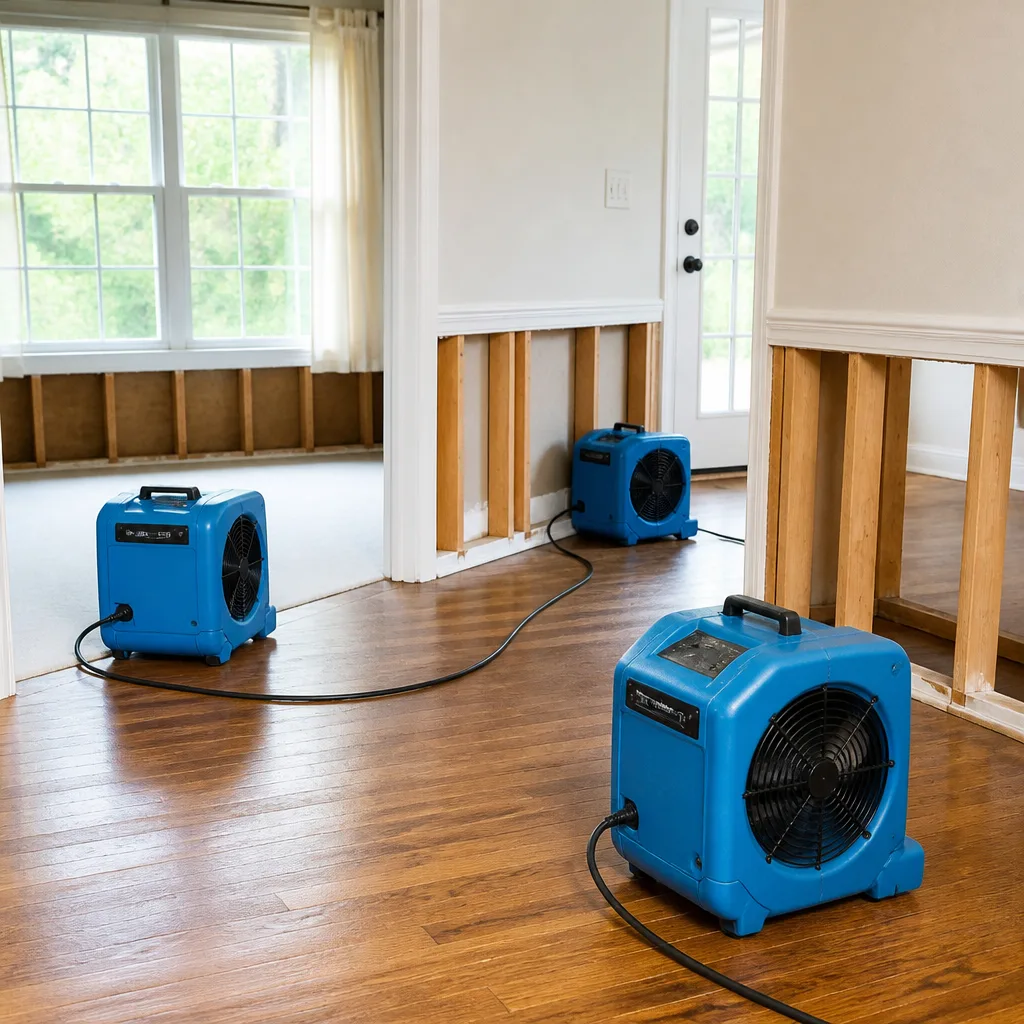
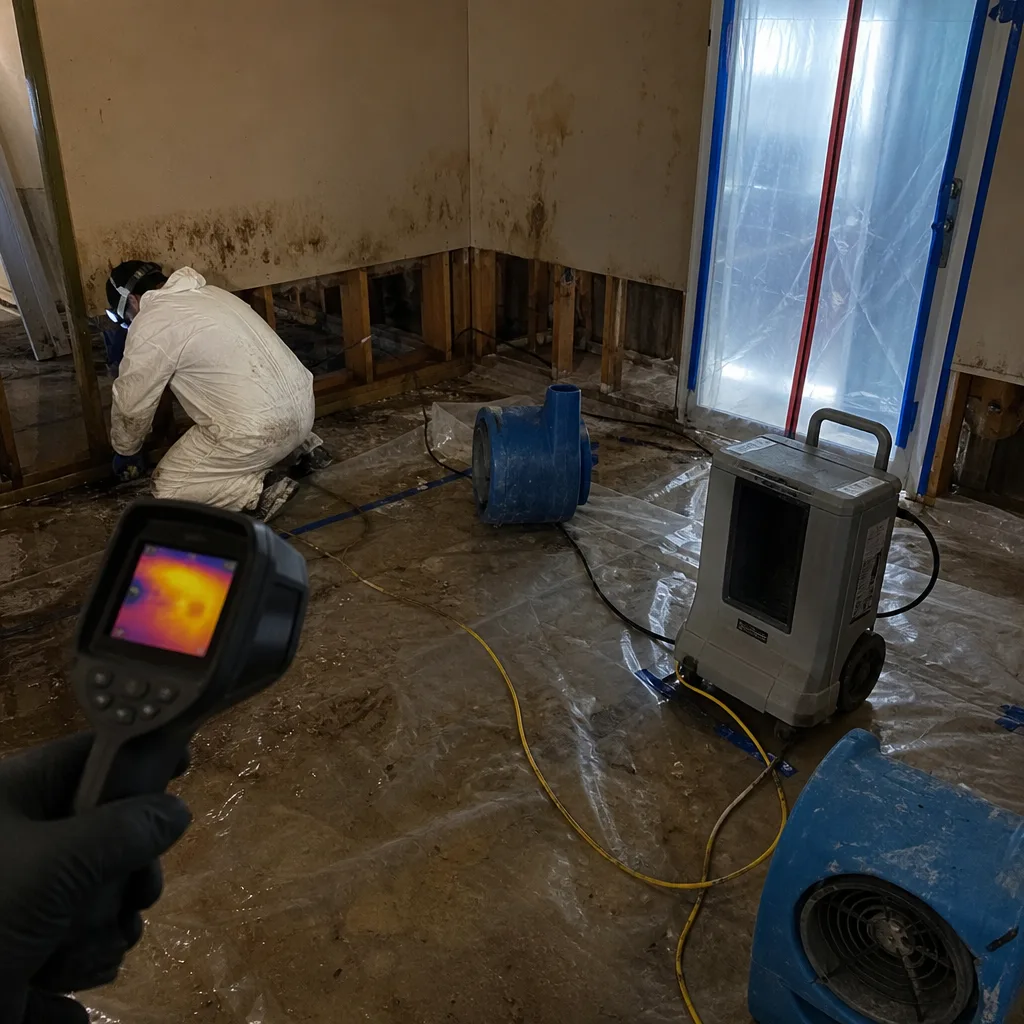
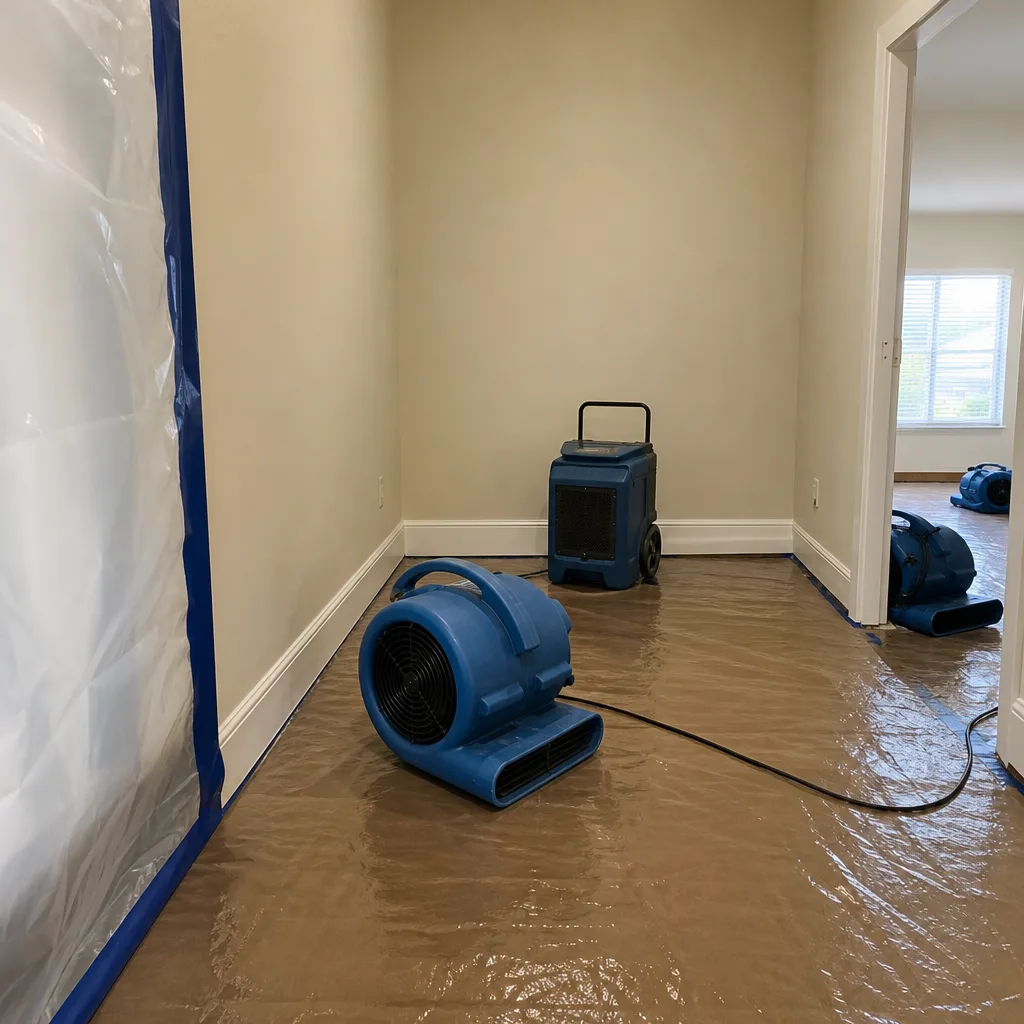
Corona’s slab-on-grade construction means water doesn’t just sit on the surface. A supply line failure in a second-floor laundry room in south Corona sends water down through the ceiling, into wall cavities, and onto the slab below, where it migrates under flooring and into baseboards. The hot, dry summers create a false sense of security: surfaces dry quickly, but the moisture inside walls and under tile doesn’t. That trapped moisture is what turns a plumbing leak into a mold problem three weeks later. We use Dri-Eaz and Phoenix commercial extraction and drying equipment, plus Injectidry systems for cavities that consumer fans will never reach. The full breakdown is on the Water Damage Restoration in Corona page.
Mold Remediation in Corona
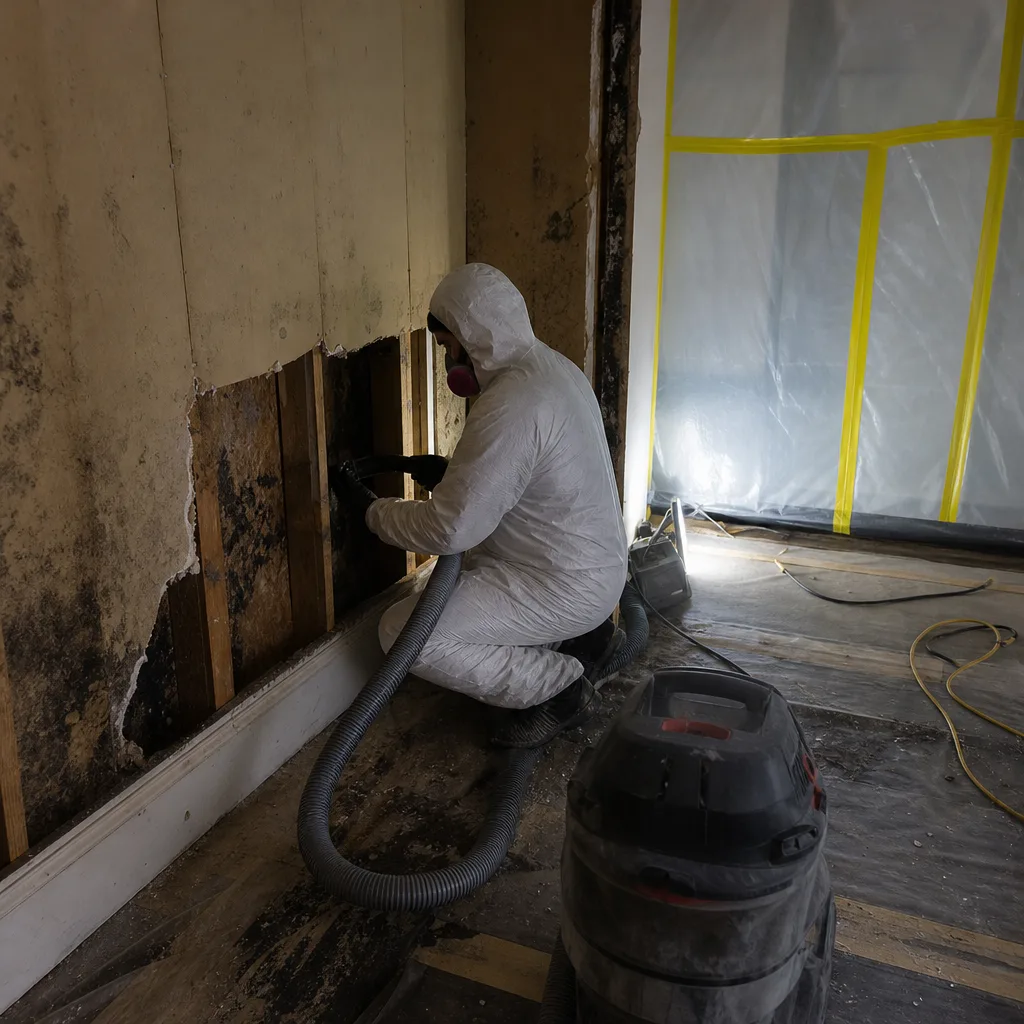
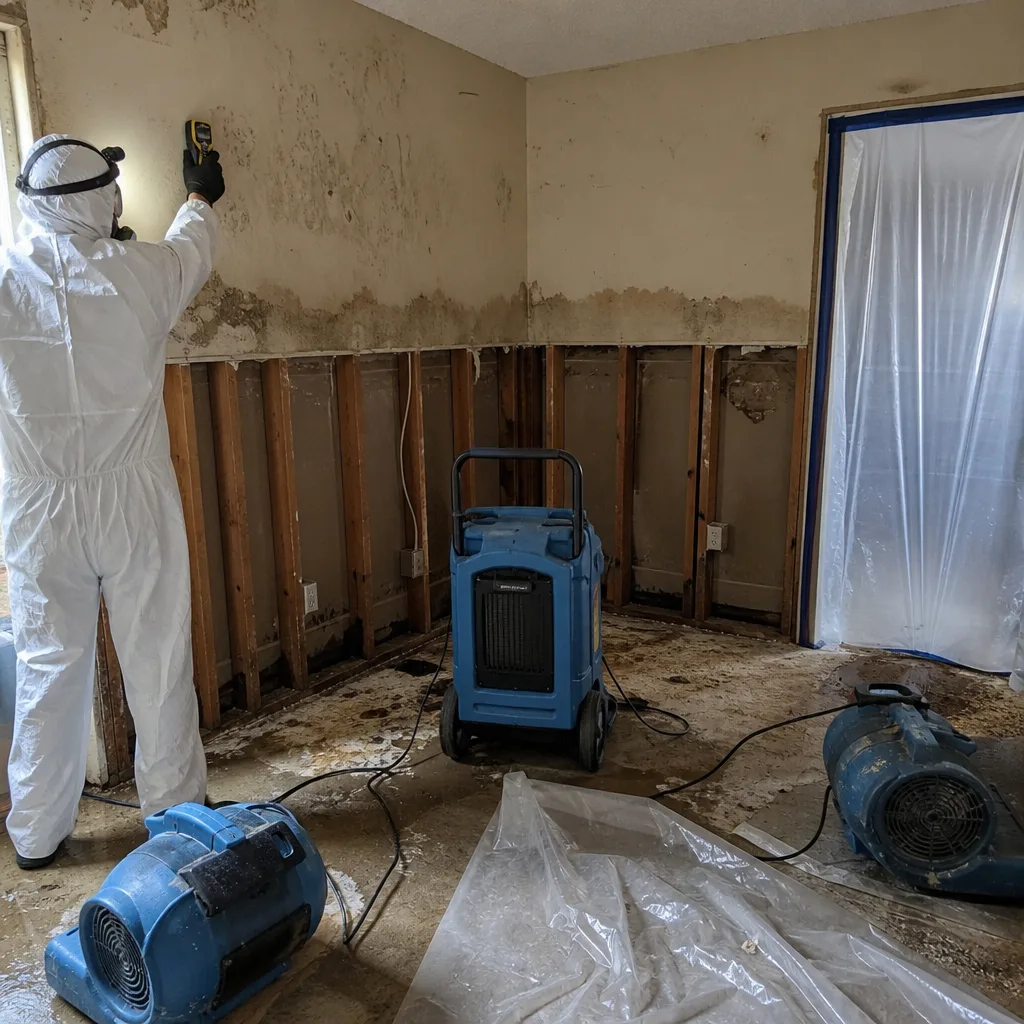
Mold in Corona homes follows predictable patterns. The older river-adjacent neighborhoods see it after winter flooding overwhelms drainage; the newer south Corona homes see it after hidden slab leaks or second-floor supply line failures. Stucco over frame construction holds moisture against wood, and low winter humidity spikes to summer monsoon levels that give mold exactly what it needs. Our IICRC-certified remediation process includes containment, air scrubbing, and moisture source correction, not just surface wiping. For the full protocol and what it costs in Corona, see the Mold Remediation in Corona page.
What happens when you call
- 1
A real person answersNo phone trees — you reach a local pro.
- 2
You get an upfront price rangeHonest numbers before anyone is dispatched.
- 3
A background-checked tech heads outLicensed & insured, dispatched right away.
- 4
You approve before work beginsNothing starts until you say go.
Fire Damage Restoration in Corona
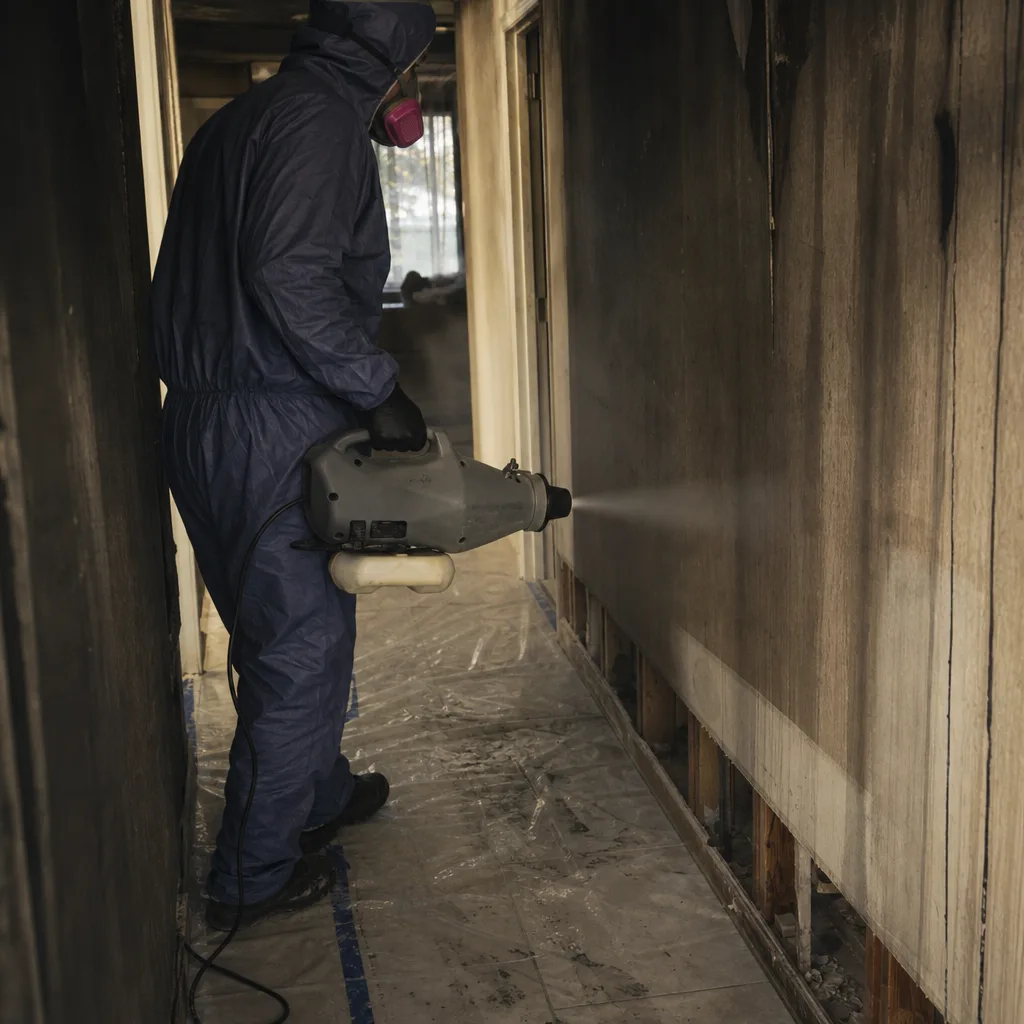
Fire damage restoration in Corona starts with understanding what actually burned and what just got smoked. Homes along the south hills near the Santa Ana Mountains and Cleveland National Forest routinely face ember and smoke intrusion during Santa Ana wind events, even when the fire never reaches the property line. The smoke settles into attic insulation, original builder-grade flex duct, and HVAC systems, and it stays there until someone tests for it. Older mid-century homes in the core city burn differently when they do catch fire: the materials are drier, the electrical is older, and smoke penetrates plaster and wood differently than it does in a 1990s stucco-and-tile build. That’s why we approach every Corona fire job as equal parts structural assessment, smoke and soot containment, and water mitigation from fire suppression. For a deeper look at how we handle the full fire recovery sequence, see our Fire Damage Restoration page.
Fire Damage Restoration Company
Signs you need it
After any fire in Corona, even a small kitchen fire, soot and smoke residue will have traveled further than the visible burn area, into HVAC ducts, behind baseboards, and into attic insulation.
What it costs in Corona
Full fire damage restoration in Corona, including structural cleaning, deodorization, and water mitigation from suppression efforts, typically falls between $3,500 and $14,000 depending on square footage, smoke penetration depth, and whether walls and insulation must be removed.
How we do it
We start with a documented assessment of burn, smoke, and water zones, then contain the affected area, remove unsalvageable materials, clean soot and char with professional-grade equipment, and run structural drying on any suppression water before reconstruction begins.
Smoke Odor Removal
Signs you need it
Corona homeowners who smell smoke weeks after a nearby wildfire or a small interior fire usually have soot trapped in attic insulation, flex duct, or HVAC returns, not on visible surfaces.
What it costs in Corona
Standalone smoke odor removal in Corona, including duct cleaning, attic insulation evaluation, and thermal fogging or ozone treatment, typically ranges from $1,200 to $4,500 depending on home size and how deep the smoke reached.
How we do it
We test the attic insulation and HVAC system for soot load, remove or seal affected materials, clean duct surfaces, and apply deodorization treatments that neutralize smoke compounds rather than masking them.
What Fire Damage Restoration Costs in Corona
| Item | Typical range in Corona |
|---|---|
| Full fire damage restoration | $3,500 – $14,000 |
| Smoke odor removal | $1,200 – $4,500 |
| Structural drying after suppression | $1,800 – $6,500 |
The biggest cost driver in Corona is insulation and duct replacement: south Corona homes with original builder-grade flex duct often require full attic insulation removal after a nearby wildfire loads the material with soot. We provide a written scope before any work starts, with photo documentation for your insurer.
How fast can you respond to a fire in Corona?
For active fire scenes our Corona team mobilizes as soon as the property is released by the fire department. Smoke and soot continue to corrode surfaces and penetrate materials the longer they sit, so we prioritize rapid assessment and containment, usually within hours for emergency cases. Call (833) 589-7005.
Does insurance cover fire damage restoration in Corona?
Most homeowner policies in California cover fire and smoke damage restoration, including smoke odor removal and structural drying. We document every step with photos and moisture readings, and we coordinate directly with your adjuster. Call (833) 589-7005 to discuss your specific policy.
Brands We Service in Corona
We work on homes with every major HVAC and builder configuration found in Corona, from mid-century forced-air systems to 2000s flex duct and heat pumps. Parts for common Corona builds are stocked locally through our supply relationships, and our our brands page details what we service and how quickly we can source what’s needed for your job.
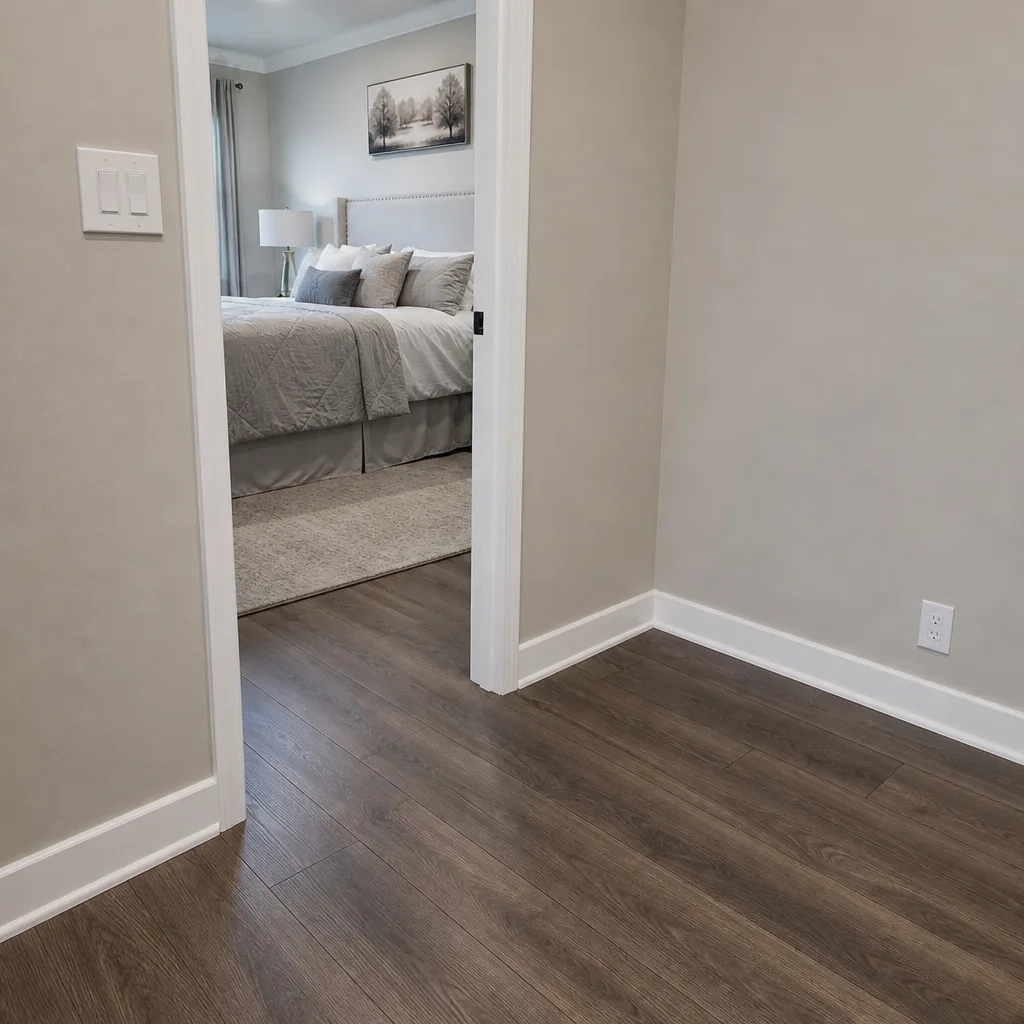
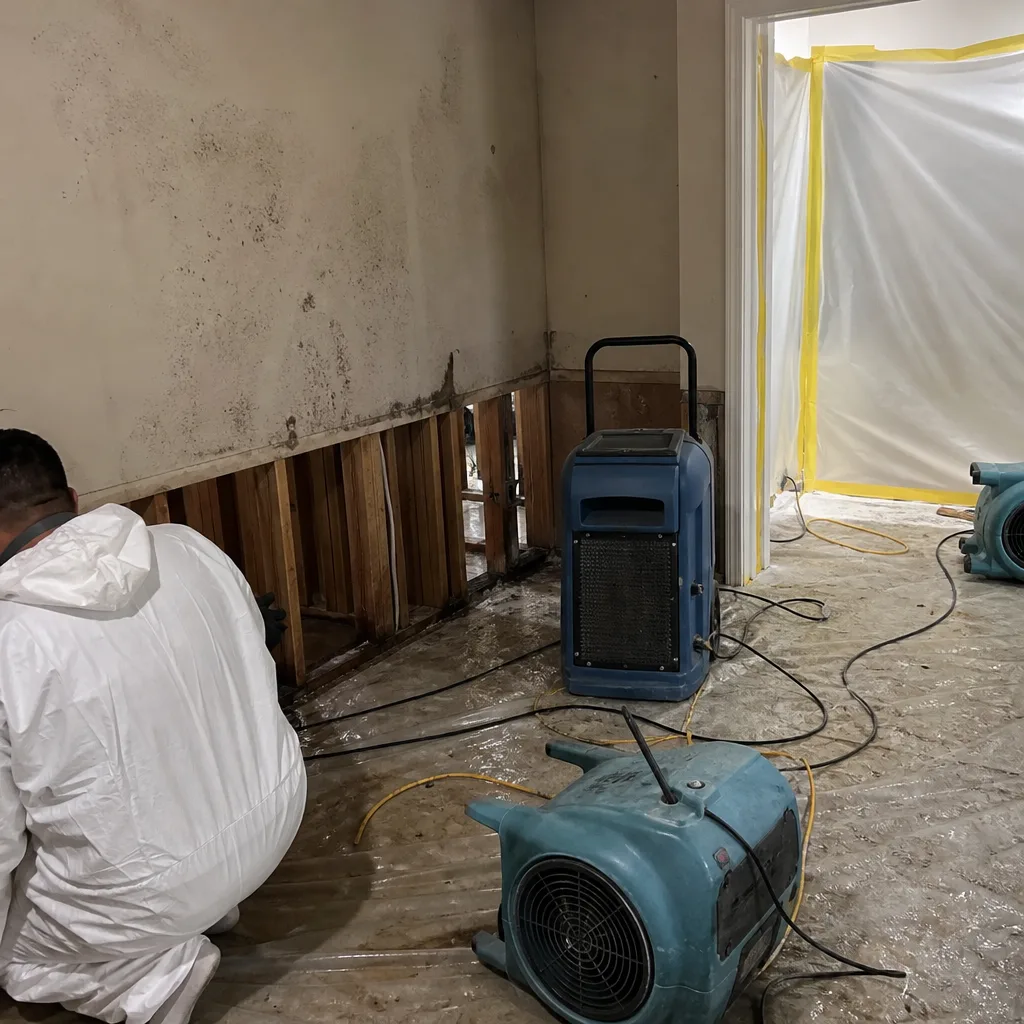
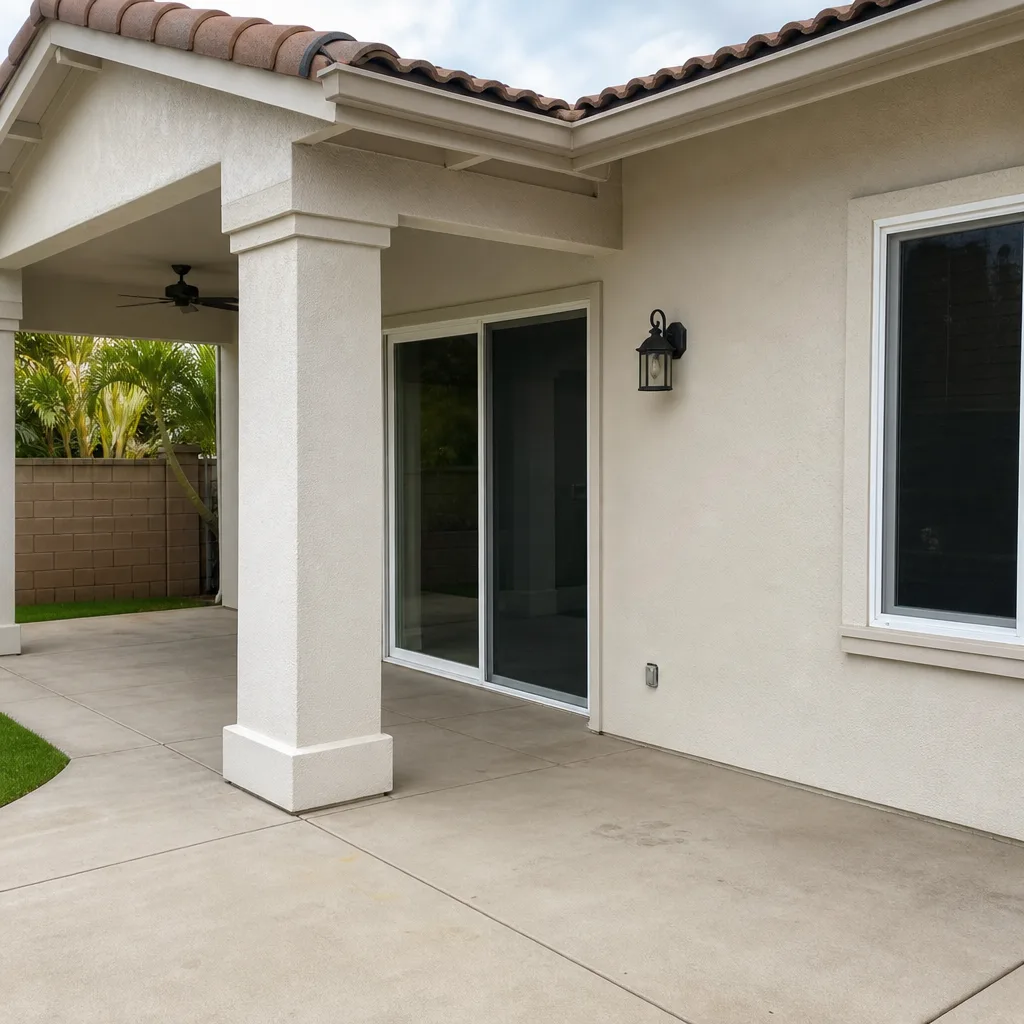
See the difference
 Before
 After
 Before
 After
 Before
 After
Pricing for Restoration Company in Corona, CA
| Service | Typical range in Corona |
|---|---|
| Water extraction and structural drying | $1,800 – $6,500 |
| Slab leak water damage mitigation | $2,500 – $8,000 |
| Mold remediation (contained area) | $1,500 – $6,000 |
| Full mold remediation (attic, HVAC) | $4,000 – $15,000 |
| Fire damage restoration | $3,500 – $14,000 |
| Smoke odor removal | $1,200 – $4,500 |
| Structural drying after fire suppression | $1,800 – $6,500 |
| Full water, mold, and fire combined response | $05,000 – $35,000 |
In Corona, prices push toward the top of these ranges when the job involves slab leak water migration under flooring, attic insulation replacement after wildfire smoke, or homes in the floodplain that sat wet for days before discovery. Every estimate we give is a written scope with line items, agreed before work begins, and we send photo documentation to your insurer as standard practice.
Neighborhoods We Serve in Corona
We work throughout Corona, from the older river-adjacent streets near the Santa Ana River to the foothill subdivisions in south Corona, and every tract in between. Our typical response across the greater Corona area is within hours for active water and fire emergencies.
- Corona Hills
- Eagle Glen
- Sycamore Creek
- Mountain Gate
- Downtown and the Grand Boulevard corridor
Service Area – Cities Near Corona
Beyond Corona, we provide the same IICRC-certified restoration services in nearby Inland Empire communities. That includes Home Gardens, CA, El Cerrito Corona, CA, Eastvale, CA, and Norco, CA. Each area has its own housing patterns, drainage behavior, and fire exposure, and we adjust our equipment and process accordingly.
Serving Corona, CA — Our Local Coverage Area
We’re based in the Corona area and know this community well. Use the map below to see our service coverage — if you’re nearby, we can almost certainly help.
FAQs About Restoration Company in Corona
For water and fire emergencies, our Corona crews typically arrive within hours, not days. Mold remediation is scheduled after an initial assessment and moisture mapping. The speed depends on where in Corona you are and the time of day, but we prioritize active losses. Call (833) 589-7005 and we’ll give you a realistic arrival window.
Most water, mold, and fire restoration falls under emergency mitigation and doesn’t require city permits for the cleanup itself. If structural repairs follow, which is common after fire or slab leaks, Corona building permits may apply. We flag this early in the assessment so you aren’t surprised later.
Yes, and it’s standard for every job. We provide photo documentation, moisture readings, and a written scope that matches what your adjuster needs to process the claim. We’ve handled many Corona claims involving floodplain flooding, wildfire smoke, and everyday plumbing failures, so the documentation is built for insurance review from day one. Call (833) 589-7005 to get started.
What happens when you call
- 1A real person answersNo phone trees — talk to a local damage restoration pro.
- 2You get an upfront price rangeHonest numbers before anyone is dispatched. No surprises.
- 3We come out and measureLicensed & insured, at a time that suits you — the visit and the quote are both free.
- 4You get the price in writingLine-itemed, yours to keep, and nothing starts until you say go.
What Corona Customers Say
"They cut the drywall at a clean line and only as far up as was actually wet, rather than gutting the whole room."
— Beatriz Rodriguez"Mold behind the shower wall. Contained the area with plastic and negative air before opening it, which is the part that protects the rest of the house."
— Norma Flores"Supply line let go under the upstairs bathroom at two in the morning. They had a crew here inside ninety minutes, water extracted before dawn, and dehumidifiers running by breakfast. The ceiling below was saved."
— Alejandro Delgado